

Welsh families of people with learning disabilities speak out over ‘Human rights scandal’
Adam Johannes
Families of people with learning disabilities in Wales who question the care of their loved ones say they are being silenced through gagging orders, barred from visits and excluded from decisions about their own relatives.
Some families say legal injunctions have prevented them from speaking to MPs or the media. Several are now speaking out, alongside health workers acting as whistle-blowers who describe what they say are systemic failures within care in Wales.
The allegations form part of the “Stolen Lives” scandal in Wales – described by disability campaigners as a “human rights scandal” – centred on people with learning disabilities and autistic people being placed in hospital or institutional settings.
Families claim placements are often driven by a lack of properly funded community support rather than clinical need, and allege a system lacking transparency and accountability.
The concerns are not limited to Wales. 45 families across the UK recently told ITV News their visiting rights had been restricted or removed after raising concerns about care, while others said they had been threatened with similar action if they continued to complain.
Lawyers and disability charities say the use of “contact restrictions” is growing because councils are struggling to find alternative care options. When families complain, councils sometimes side with care providers, worried those providers may withdraw services if challenged.
In one case highlighted by ITV News, a mother said she spent £45,000 of her life savings fighting decisions made through the Court of Protection after her severely disabled daughter was moved into residential care against the family’s wishes.
She said she was then barred from seeing her daughter for six weeks. When contact was restored, visits were strictly limited and supervised.
“She lives in a place where she gets no cuddles from somebody who loves her,” the mother said. “It was horrendous. I had a mental breakdown.”
Visits were restricted to two hours, twice a week, in a physiotherapy room. “There were no chairs there, so we had to sit on the floor with her. Being watched,” she said. “In my head, my daughter had been kidnapped and I was being asked to play nice with the kidnappers.”
Welsh families
Welsh families describe similar experiences, saying that questioning care arrangements led to reduced contact or exclusion from decision-making.
The family-led Stolen Lives Campaign said: “We’re talking about a total abuse of power here by local authorities and health boards,” alleging families who challenge intrusive assessments or reduced care packages face contact restrictions or gagging orders used “punitively”, with scant regard for human rights or equality law.
One mother said she was prevented from entering her son’s supported living accommodation after raising safeguarding concerns.
She said she had repeatedly identified infections and medication errors missed by staff, yet was now excluded: “I am now being discarded from all decisions about his and even our life together,” she said. “Parent/carer blame exists and lives do get stolen.”
Another parent called for independent oversight of the Court of Protection, arguing families often lack the resources to challenge professionals: “There needs to be better safeguards and accountability. Professionals abuse the process. There needs to be better protections for people and their families.”
A third said she endured six years battling for appropriate support for her son, only to feel shut out once a placement was secured, and “without anyone being accountable for the hell we were put through,” she added she was still “gagged” from taking about his case, “so no-one will ever learn from the many mistakes made.”
She said her visits are now tightly controlled. “I am being told what days and times I can visit, being made to stand outside if I’m a bit early and being prompted to leave,” she said, adding she believes it is because she questioned his environment and care.
Others describe distressing conditions. “They left my loved one lying in urine and when I complained they refused access,” the parent said. “They even removed the chairs so I had to stand whilst visiting.”
A campaigner said health boards are implicated: “Gagging orders don’t just come from local authorities and social care, they are also put into force by health boards. It’s not just happening in residential care, it’s happening in people’s own homes”.
They described the case of a young woman with learning disabilities who, after transitioning from children’s to adult services, was suddenly assessed and told she would have to leave her family home. “They wanted to put her in a nursing home with elderly people when she was only a teenager.”
A nurse, who asked to remain anonymous, said staff and families who raise concerns often face repercussions rather than answers.
“Raising concerns regarding the treatment of young adults with learning disabilities is dangerous,” they said. “The process you are put through is the punishment for challenging the professionals.”
They said services receiving millions of pounds in public funding are meant to protect vulnerable people, but warned families often feel powerless once legal processes begin.
“The Court of Protection can only act on the evidence provided,” the nurse said. “But who are they going to believe — a desperate, emotional and angry parent who can’t afford an expensive barrister, or several health and social managers with extremely expensive legal support?”
“The individual concerned is completely forgotten and neglected by institutional bias.”
Punished
Joe Powell, CEO of All Wales People First, said he fears parents are being punished simply for trying to protect their children.
“For some time, I have been increasingly concerned by what appears to be the silencing and penalisation of parents and carers who have raised serious concerns about the detention of their loved ones in inappropriate medical settings,” he said.
He warned that many families feel too frightened to speak openly.
“That should concern all of us. When parents and carers are discouraged from raising legitimate safeguarding issues, the real impact is felt by people with learning disabilities and autism themselves — many of whom rely on others to advocate for their rights.”
Powell said he was particularly troubled by those who have no relatives able to fight their corner.
Learning Disability Wales said the full scale of the problem remains unclear because Wales still lacks sufficient data. Chief executive Zoe Richards said her organisation hears “on a weekly basis that people are facing human rights violations”, adding that underfunding across the sector has contributed to the situation.
She warned that violations of the dignity of people with learning disabilities and their families appear to be tolerated in ways that would not be accepted elsewhere in society and called for urgent action to ensure disabled people’s lives are properly valued and respected.
Politicians
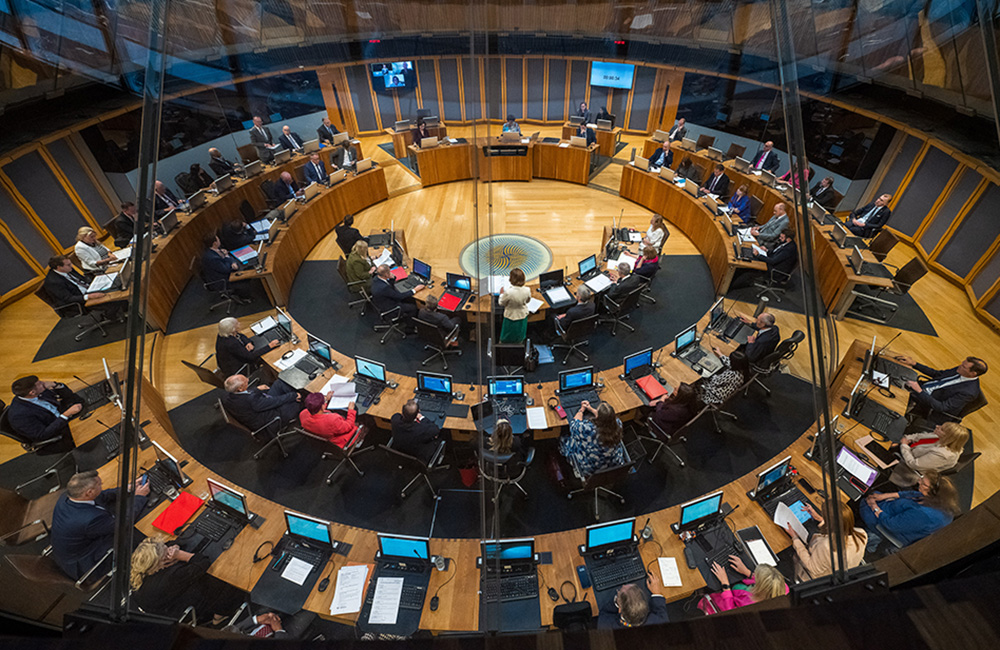
Politicians from across the Senedd have also raised concerns.
Sioned Williams, Plaid Cymru spokesperson for social justice and equalities, said the Stolen Lives campaign had highlighted “the human rights abuses suffered by people with learning disabilities and autistic people who have been inappropriately detained in secure settings.”
She said recommendations from the Homes Not Hospitals Task and Finish Group showed an urgent need to strengthen community-based support and warned families facing legal injunctions often struggle to challenge decisions about their loved ones’ care, and stronger safeguards were needed to ensure families had fair routes to review decisions when concerns were raised.
Mark Isherwood MS, who chairs the cross-party group on disability, said Senedd cross-party groups on Disability, Learning Disability and Autism have been trying for months to secure a meeting with Mental Health and Wellbeing Minister Sarah Murphy.
They have repeatedly asked for officials to meet them, alongside disability organisations and campaigners, to hear directly from families.
In a letter last month, they stressed the “need for a meeting with an official from her department to listen to the anonymised individuals and families whose experiences are directly affected by these systemic failings”.
They warned: “Alongside the Stolen Lives Campaign, The Good Life Alliance, Disability Wales, and Learning Disability Wales, we continue to hear reports of families facing silencing, loss of contact, unexplained restrictions, and distress caused by opaque court and social care processes.”
The groups also highlighted a petition collecting evidence from affected families across Wales, saying more than 100 had recorded similar experiences: “This represents a substantial and growing body of public concern”. Despite writing again this month, there had still been no meaningful engagement.
Isherwood said: “After pursuing this for months, and with only a few weeks of this Senedd term remaining, it is therefore very concerning that the Welsh Government has not given this scandal the attention it needs and deserves.”
All Wales People First said the mounting evidence meant the issue could no longer be ignored by the Welsh Government:
“We must take collective responsibility for identifying where systems are falling short and act decisively to close those gaps. The continued use of inappropriate institutional settings represents a step backwards from decades of progress.”
“If Wales is to remain true to its legislative and moral commitments, practice must align with policy — and no one should be silenced for raising concerns in good faith.”
Approached for comment the Welsh Government sent a past statement that did not address the issues raised here.
Support our Nation today
For the price of a cup of coffee a month you can help us create an independent, not-for-profit, national news service for the people of Wales, by the people of Wales.



This happened to us. https://openjusticecourtofprotection.org/2025/12/14/systems-generated-trauma-and-closed-proceedings-hywel-dda-university-health-board-v-p-anor-2024-ewcop-70-t3/?fbclid=IwVERDUAQGePpleHRuA2FlbQIxMABzcnRjBmFwcF9pZAwzNTA2ODU1MzE3MjgAAR7lpEejtP1Y0GHwMdzQkXXqyf4Rk34RNCBXlC05-zb73bMFyLhNJAyf6jAYpg_aem_n93qhYmyaCPkBASGmuexXg