


Welsh farmers warn drought is having a devastating impact on crops
Deb Luxon
Farmers across Wales have struggled to work throughout the heatwave, with one of Ceredigion’s largest growers sharing that he has repeatedly stayed up all night to water his crops.
Though the weekend rain brought some relief, further heatwaves are forecast for Wales, and farmers are warning of repercussions that will extend into winter as crops are planted out late, others have stunted growth, and seedlings wither that would be next year’s harvest.
As farming unions warn we are just days away from potential food shortages, Langtons Farm in Cardigan has had to waste thousands of vegetables that have died or bolted in the heat.
David Langton, who owns the 70-acre organic farm, stayed up until it was light multiple nights to set up an irrigation system: “We have thousands of pounds of broccoli and cauliflower not growing well.
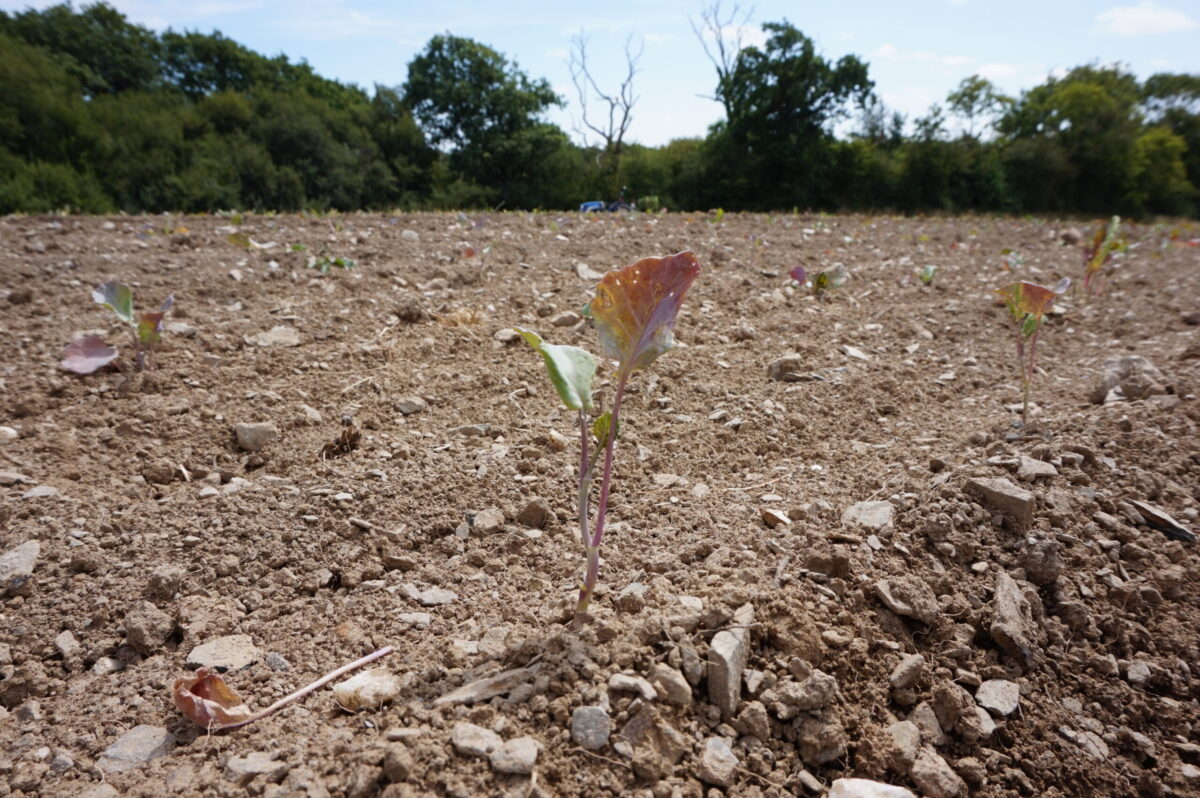
“The ground is like dust, so we’re having to irrigate immediately.
“We’ve had plants dying within two days of planting – it just hasn’t rained. The carrots are wilting without water because we can’t irrigate everything.
“Last night I finished at 3am, one night I came in at 5.30am.”
Some parts of Wales received less than 2% of the expected rainfall in July, with Ceredigion joining north Wales in drought status last week.
With small profit margins for fresh produce, the Langtons may make a loss this season after buying irrigation equipment they hadn’t needed before thanks to west Wales’ usually wet conditions, and paying £1,400 on their most recent water bill.
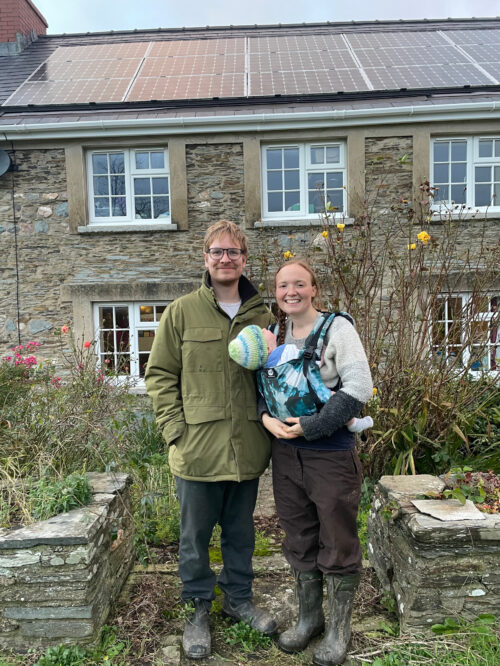
David and Katherine started growing food in 2019 for the love of it, wanting to contribute to the production of fruit and veg in Wales. Currently, Wales produces very little of its own fresh produce; the country is reliant on imports from the rest of the UK and overseas.
Thanks to the heatwave, the couple have lost 2,000 Chinese cabbages and a third of their winter cauliflowers, with other produce including leeks and tomatoes growing smaller and a lower pollination rate for fruit.
The couple moved from growing microgreens in a 9×9-foot bedroom to buying their first bit of land in 2023, but the family with two young children is worried for the future if changeable weather continues.
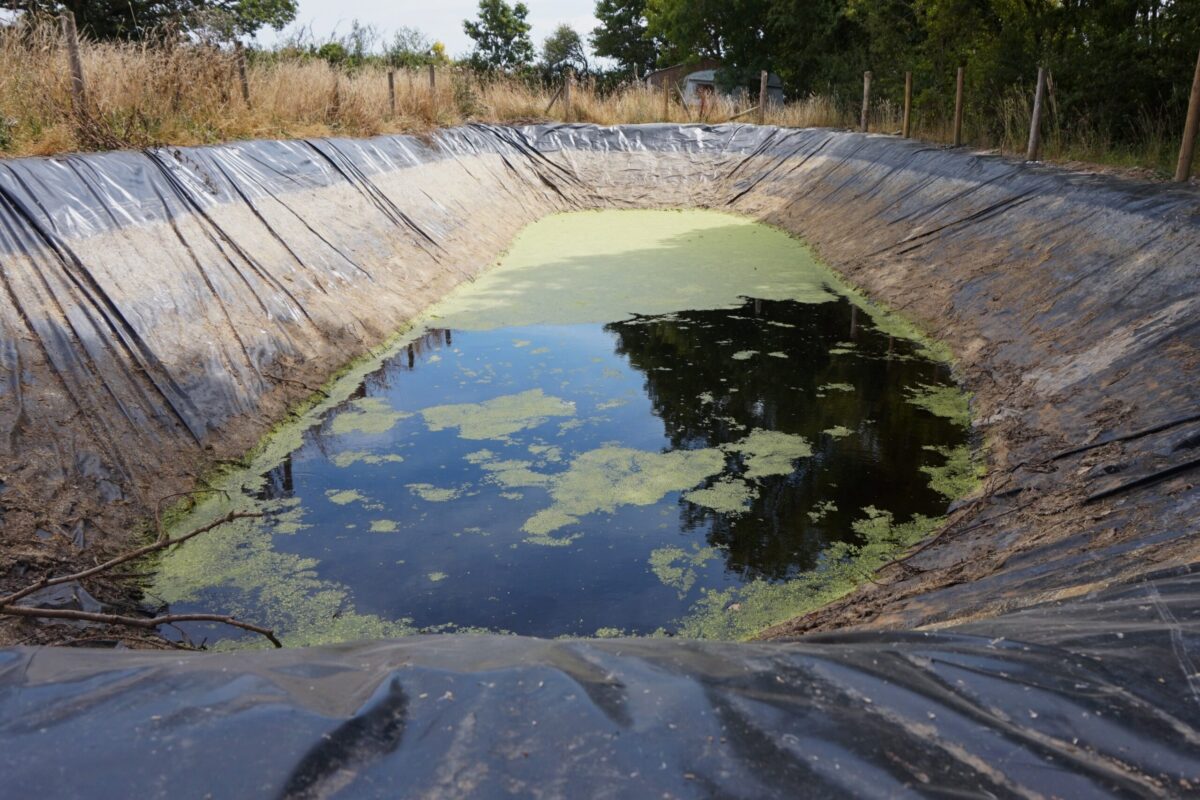
Katherine said: “There’s only so much water we have access to; we don’t have the infrastructure needed for large-scale irrigation.
“It’s going to have a big financial impact on us.
“If we’ve put all of our effort into planting, we’ve bought the transplants, we’ve prepared the ground, we’ve paid the employees, and then they don’t grow, all my cost is upfront, and I can’t make the produce to sell.”
Other farmers have written off some crops like onions entirely, which will cost more in water than they will make back.
Compost
Ann Owen, who is both the Food Partnership Coordinator for Ceredigion and a grower herself, admitted, “a significant amount will go onto the compost heap.”
She said that for growers, the problems won’t stop when the rain comes: “The next problem is plants for autumn.
“Brassicas that need to go out can’t be planted because the soil is so solid it can’t be ploughed; it’s cracking like a desert.
“Growers in Wales are just not set up for these conditions.
“There have always been heatwaves, but the problem with the weather we’re getting now is it’s more extreme and lasting longer.
“Before you could make it just about to the next bit of rain.
“This year it’s so dry the trees are starting to die.
“I wish people wouldn’t say ‘climate change’ or a ‘warming planet’, it’s climate chaos. You can start gardening for hot and dry climates, but there’s no guarantee that next summer won’t be a complete washout.”
While supermarkets set food prices that “rarely reflect the amount of work and costs it takes”, Ann said the profit margins are already so narrow that for many “it’s just not worth it anymore”.
The Met Office has forecast further heatwaves for Wales, with above-average temperatures and below-average rainfall.
Ann warns that Wales’ overreliance on food from Europe isn’t useful when the continent is struggling with the same conditions: “We really need to start taking localised food production more seriously in the UK.
“I think farmers would really like to grow more food for their local communities, so it’s an opportunity for the Welsh government.
“If you say to farmers they need to move away from producing animals because it carries too high a CO₂ output, you’re going to have to give them an alternative.”
The Ceredigion Food Partnership does its part by supporting farmers to return to diverse production, regaining lost skills and hosting a machinery ring on Langtons Farm – essentially a machine borrowing scheme for growing field-scale crops.
‘Huge pressure’
Farmers’ Union of Wales President Ian Rickman said the prolonged dry weather has put “huge pressure on Welsh farms, with grass growth stalling, winter fodder already being used and water supplies becoming a growing concern”.
He said that whilst farmers are adapting as they always have, the government must play its part with “greater flexibility in support schemes, speeding up derogations where needed and investing in long-term water resilience to help the industry cope with increasingly unpredictable weather”.
The Welsh government said its Agricultural Diversification and Horticulture Scheme and Small Grants – Horticulture Start Up Scheme are supporting the creation of a sustainable food system in Wales through capital grants for improvements including irrigation systems.
A spokesperson said the government “recognises the mental and physical impact the volatile weather is having on farmers’ welfare”, adding: “We strongly encourage anyone experiencing stress or other mental health issues to ask for help.
“Farmers can access support through Farming Connect to help optimise their farming methods to mitigate the effects of adverse weather. Should farmers require a derogation in line with any Welsh Government scheme requirements due to extreme weather, they should contact RPW.”
Support our Nation today
For the price of a cup of coffee a month you can help us create an independent, not-for-profit, national news service for the people of Wales, by the people of Wales.
Get more trusted Welsh news
Choose Nation.Cymru as a preferred source in Google News to see more of our journalism.



Tory and Reform say you are making it up. Problem is if they are having issues in the EU then sure as hell we are not exempt. Far better we are part of a larger market. The bad weather doesn’t stop at the channel.
Already into the billions hit in the EU. Kemi says it ain’t a thing and anyone that says so is out the party. So what will ARTD blame it on, aliens? Nige will do as he is told by Trump.
Net Zero is not a slogan. It is a goal for us to survive.