


Welsh flood victims don wellies planting 40,000 trees to slow the flow
Debbie Luxon
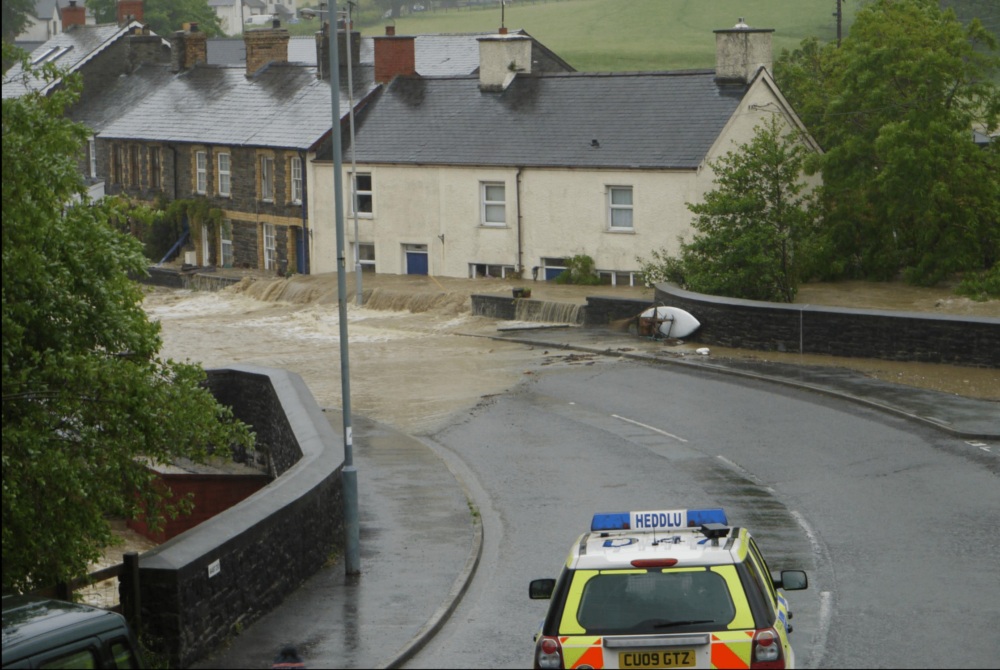
It was the early hours when Mick Fothergill woke his wife Jenny to climb out of their cottage window, as floodwater from the River Leri surged through their home.
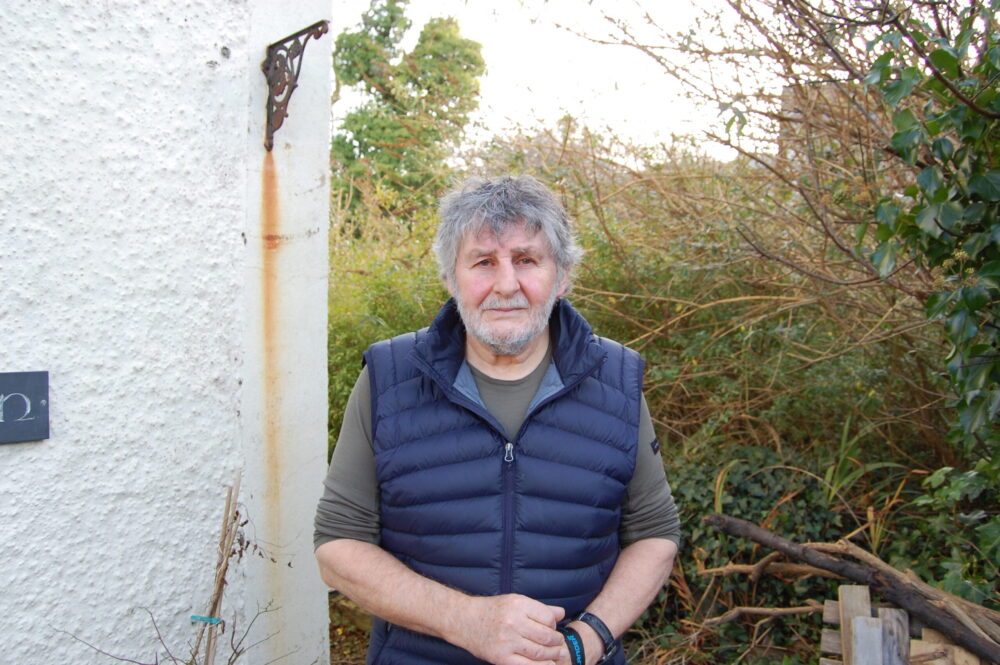
Watching their house flood from the pub in Talybont, eight miles north of Aberystwyth, Mick said: “It’s hard to explain the feeling of hopelessness, helplessness and disbelief that it’s happening to you.
“I’d never seen anything like it.”
Their home was one of 27 flooded after a month’s worth of rain fell in just 24 hours on June 9, 2012.
The 76-year-old said: “Just about everything of value downstairs was destroyed. It was devastating.”
Fourteen years later, the village remains at the same risk of flooding with no large-scale prevention measures made, while flooding has increased nationally over the last decade.
With no government help, the Talybont Floodees (as they came to be known) took up their shovels to take action themselves.
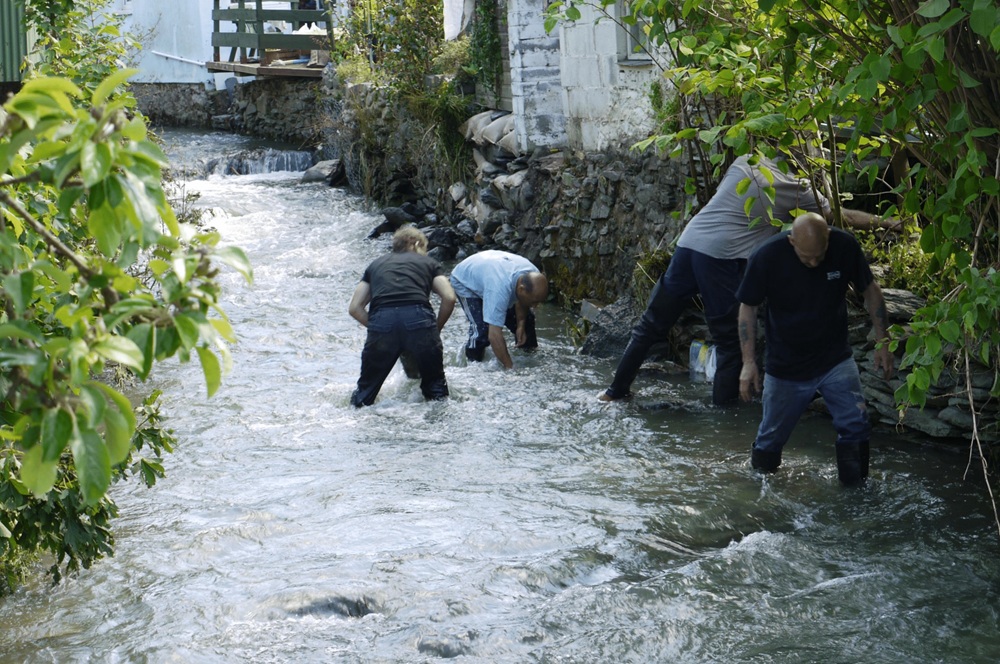
For the past five winters, the group has climbed the hills above the village in wind, rain and snow, planting 40,000 trees to slow the flow, as Mick explained: “Our idea was that if we could reduce the peak, we wouldn’t experience a flood to the houses, the river would just be active a little longer.”
Spearheaded by flood victim Linda Denton, the group engaged landowners on four sites and just before Christmas began this season’s work to plant another 12,000 trees.
Teenagers work shoulder to shoulder with 70-year-olds, neighbours alongside landowners planting native trees from the Woodland Trust.
Talybont volunteer David Dowsett housed his sister Jenny and Mick for the 11 months they were out of their home.
The 75-year-old estimates he’s responsible for planting 2-3,000 trees: “It’s easy to stay in and watch TV, it’s a good excuse to get outside.
“It’s something I hope will have a long-term impact in slowing the degradation of the valley.”
The group has already created living leaky dams, designed to hold excess water during sudden downpours.
These interventions may seem small, but come as autumn 2025 was the 10th wettest in Wales since records began, with November’s rainfall 59% above average.
The flooding before Christmas created more homelessness in Monmouth, Neath Port Talbot, and Tenby, with more extreme weather set to come.
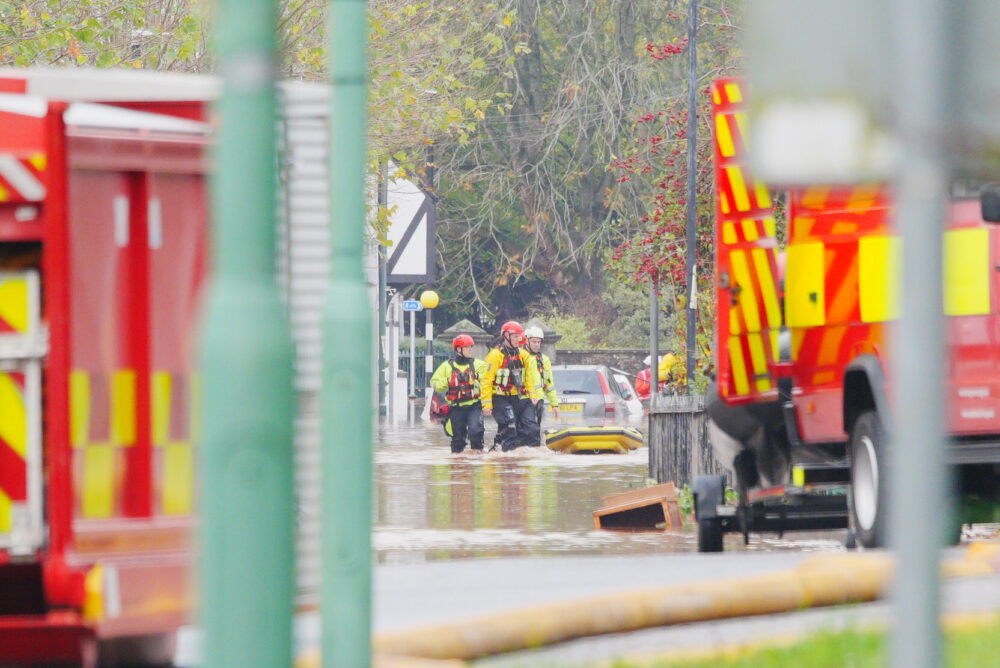
Currently, half of all councils in Wales (11 of 22) are doing emergency repairs to flood defences.
According to the Woodland Trust, which funds a volunteer coordinator for the group, tree roots help the ground absorb water deeper, reducing surface run-off by 80% compared to asphalt.
Leaves also help, with studies finding that up to 30% of rainfall is evaporated directly from leaves.
Reducing flood risks takes a village, as farmer Rhodri Lloyd-Williams discovered: “It’s a hard job and a long slog, so it was confusing when people said they wanted to help.
“I thought, ‘you’re mad’!
“But people turn up twice a week, we chat and stop for tea.
“Quite often, you’ll find you’re working shoulder to shoulder with people who have never set foot on a farm before.”
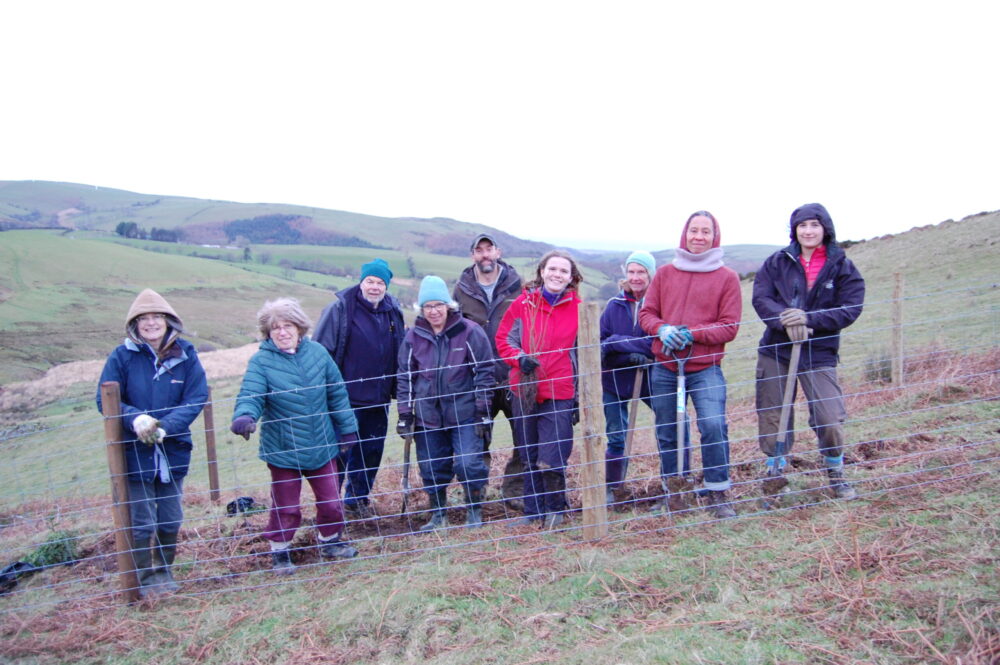
This winter, the volunteers are working 1,500ft above sea level at the Lloyd-Williams’ family farm, Moelgolomen.
The father of three started planting trees “first and foremost as a farming decision”, to protect his sheep and cows from hotter summers and stormier winters.
Dividing fields with hedgerows allows for livestock rotation, improving soil health, grass yield and water absorption.
Together with the volunteers, the farm will this year achieve planting over 100,000 trees.
Rhodri said: “A hydrologist said we’d need to plant over two million to make a difference to flood risk.
“But we’ve already planted 90,000 trees, and we’re just one farm, so we’re talking 20 times that, which isn’t beyond the realms if we keep going.”
Ultimately, it does cost them money, and Rhodri said their goal would be more achievable with government support: “I dream of a future where the government made it at the very least cost neutral for us, ideally with incentives to make other farms jump on the bandwagon.”
Progress may be on the horizon – this month, the protest-hit Sustainable Farming Scheme launched, a post-Brexit subsidy intended to help farmers adapt to climate change.
A spokesperson for Ceredigion County Council said: “We understand the frustration felt by residents; however, numerous modelling exercises and detailed technical studies have been carried out since the floods in 2012 in order to be able to understand why flooding occurs during extreme events and to identify the most effective long-term solution.
“This work is essential to make sure any scheme is effective, affordable and delivers an appropriate level of flood protection. The submission of the Outline Business Case to the Welsh Government will mark a key milestone which it is hoped will allow the project to move forward.
“Any proposed scheme cannot simply prevent a repeat of the 2012 floods and the conditions that contributed to the flooding – any proposed scheme must provide a flood defence against a 1 in 100yr event, and whatever combination of conditions contribute to such an event occurring.
“The council must follow Welsh Government procedures, which require flood schemes to be developed in stages. The Outline Business Case focuses on assessing numerous options and feasibility. Engagement with landowners takes place later, during the detailed design stage, once a preferred/affordable option has been identified. This ensures discussions are clear, meaningful, and based on realistic proposals.
“The focus has been on technical assessment and identifying technically viable options. Community contributions are gathered during formal consultation once proposals are clearly defined, as this ensures that feedback is informed, meaningful and directly related to technically viable options that can realistically be delivered. The Talybont Floodees own expert has recognised that while natural flood management such as catchment tree planting and natural re-growth of floodplain and riparian woodland, may reduce and delay peaks of moderate floods, this approach would have a minimal effect on 1 in 100 year floods, which is what the scheme must achieve in order to qualify for Welsh Government funding.
“The purpose of the public information and engagement sessions was to explain the preferred, technically feasible option identified in the draft Outline Business Case and answer questions about the work completed so far. No final decisions have been made.
“The council recognises and welcomes the significant efforts made by the Talybont community, including property level flood protection, tree planting, and local flood planning. While the council’s role is to seek to deliver a formal flood protection scheme, it can support community initiatives by providing advice, sharing information, and helping ensure local measures complement the wider scheme safely and effectively.”
A spokesperson for the Welsh Government said: “It is more important than ever that we continue to protect our communities from the threats of climate change and managing the increasing risks of flooding remains a priority for us and our flood risk management authorities.
“We have invested more than £377 to reduce flood risks across Wales since 2021, and we are investing a record £77m in flood protection this year alone as part of our commitment to fund improved flood protection to 45,000 homes this Senedd term.
“We promote Natural Flood Management wherever it can provide real benefits to a community. In our Programme for Government, we committed to delivering nature-based flood management in all major river catchments, expanding wetland and woodland habitats in the process.”
Support our Nation today
For the price of a cup of coffee a month you can help us create an independent, not-for-profit, national news service for the people of Wales, by the people of Wales.



Am not convinced that the flooding in Tenby resulted in homelessness’. At issue is Afon Rhydeg (River Ritic). The area regularly affected is sections of the Kiln Park caravan site located on a pre-existing flood plain. All properties, mostly chalets and statics mounted on stilts, do not have year-round planning permission for residential occupation and pay no council tax. The BBC however, always report ‘homeless due to floods’ but this is not true, or, more likely, they are occupied all-year contrary to planning stipulations.
It’s great to see trees being planted, but it is a drop in the ocean (no pun intended) unless a) far more trees are planted (a point made in the article) and b) sheep are removed from the uplands; their effect on exacerbating flooding is well known.