

Welsh locations named among ‘Most Culturally Rich Places to Live in the UK’
Nation Cymru staff
The most ‘culturally rich’ location in Wales, where over 115 languages are currently spoken, has been revealed in a new ranking by a global travel site.
Three Welsh locations have been named in a new ranking of the ‘Most Culturally Rich’ locations in the UK, looking at the cultural scenes as well as their ‘harder-to-define’ sense of community, culture and identity.
The rundown from global travel site Big 7 saw each location scored across seven weighted criteria, using ONS data supplemented by national equivalents in Scotland, Wales and Northern Ireland:
- Museums per capita – normalised per 100,000 residents
- Public libraries per capita – cross-referenced with national library bodies
- UNESCO sites within 30 minutes – verified against Historic England, Historic Environment Scotland, Cadw and the Northern Ireland Environment Agency
- Creative jobs share – DCMS Creative Industries estimates, measuring active cultural production rather than tourism
- Cuisine diversity – distinct cuisines available locally, with a minimum of three listings per cuisine to qualify
- Annual festivals – verified through tourism boards and council event calendars across music, literature, film, food and heritage
- Theatres and live venues – Arts Council and equivalent national portfolio listings, plus number of languages spoken locally and major cultural landmarks
Big 7 write: “What makes a place culturally rich? It’s not just about the number of museums and theatres, nor is it solely defined by local markets or grassroots music scenes. Culture in the UK shows up in different ways. In cities like Edinburgh and Manchester, it’s impossible to ignore the bold historical and influential cultural scenes. In coastal areas like Cornwall, culture is rooted in place and lifestyle, while Leicester shows how culture can be shaped by migration and multiculturalism.
“In this ranking, we’ve considered everything from cultural infrastructure per capita to the number of cuisine types, the number of languages spoken locally, and the percentage of creative jobs in the workforce. But cultural richness isn’t something you can always measure. There’s a harder-to-define sense of community, culture, and identity that some places just have. Whether you’re drawn to big city living or an outdoorsy lifestyle, there are the best places to live in the UK where the local culture really thrives.”
Newport
Coming in at number 30 is Newport.
Big 7’s cultural calendar highlights are Newport Food and Drink Festival (October 2026), Castell Howard Food Show (date TBC), Big Splash (July 2026), Newport Music Trail (March 2026), Reggae & Riddim Festival (summer 2026)
They write: “Set on the banks of the River Usk, Newport is a down-to-earth city with a pulsating cultural energy. With roughly 90 languages spoken across the city and a packed calendar of festivals and community events, Newport is shaped by its diverse communities and fiercely independent creative scene.
“Creativity is vital to the local economy, with 5.2% of the workforce employed in creative industries, but also a place where the arts are community-driven and accessible to everyone.”
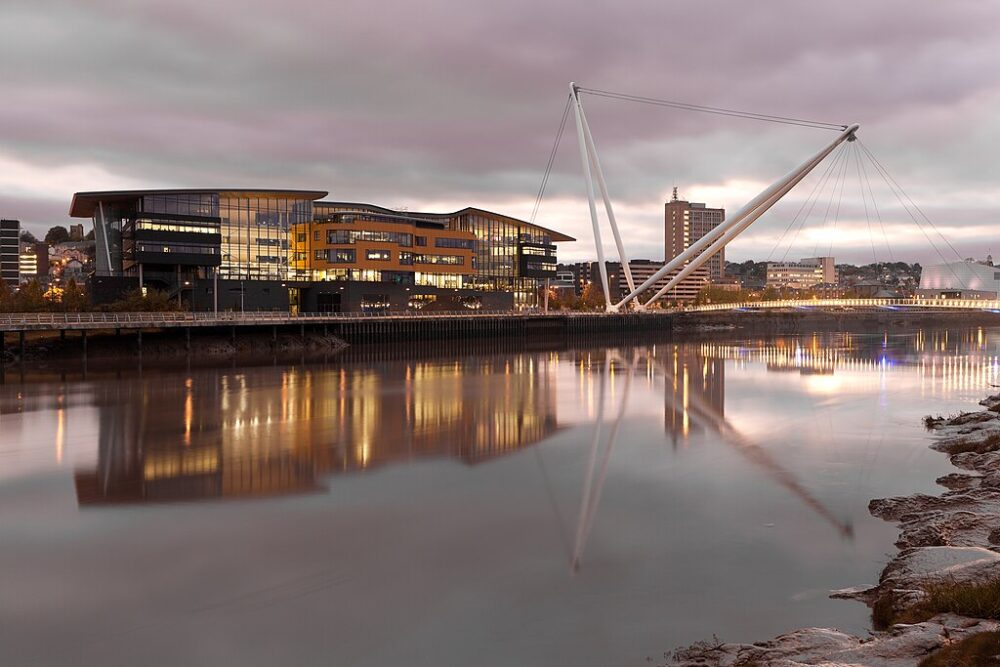
“Newport’s grassroots music scene encapsulates the city’s fierce pride, resilience, and working-class identity. In recent years, Newport’s independent venue scene has had a revival, even as grassroots venues across the UK face increasing pressure. A 2024 NME article celebrates Newport’s resurgent music scene, with Sam Dabb, owner of 100-capacity music venue Le Pub (Le Public Space), suggesting that Newport is “entering another golden era”.
“The beloved Le Pub was bought by the charity Music Venue Trust (MVT) in 2024, ensuring it remains a non-profit, community-driven space. Across the road from Le Pub, the Corn Exchange is also a not-for-profit music venue with a capacity of 500 people, run by a group of volunteer directors as part of a not-for-profit Community Benefit Society. The Cab, another non-profit venue, try to keep their tickets under £10, welcomes under 16s, and only charges £10 for 4 cans of beer.
“Beyond music, Barnabas Arts House is an independent gallery and creative hub hosting workshops, creative writing groups, and exhibitions, while the Riverfront is the city’s main contemporary arts venue. Here, locals can enjoy theatre, comedy, film screenings, creative classes and multicultural celebrations throughout the year, like Diwali and Lunar New Year.
“What makes Newport stand out is the city’s collaborative spirit. It’s made for and by the people who live here. Events like the free Newport Music Trail bring venues across the city together for a weekend of live (again, free!) performances, while festivals such as the Big Splash transform the city centre into a vibrant celebration of street performances, markets, family-friendly arts, and food.”
Swansea
At number 23 in the rankings is Swanse, with Big 7’s cultural calendar highlights listed as: Swansea Fringe (November 2026), Swansea International Jazz Festival (3rd – 6th September 2026), Wales Airshow (25th & 26th July 2026), Waterfront Winterland Festival (21st November 2026 – 4th January 2027), Swansea Food & Drink Festival (27th – 29th March 2026)
They share: “Set on Wales’ beautiful south coast, Swansea is a blend of enduring maritime heritage, strong community ties, creative energy, and diversity and inclusion. Known as the birthplace of Dylan Thomas, the city has long been associated with literature and the arts, and that legacy lives on with grassroots music venues and creative outlet spaces.
“Cultural infrastructure spans both major institutions and landmarks, like Swansea Museum and the city’s marina, and grassroots venues. Theatres like the Swansea Grand Theatre and Swansea Arena bring touring productions and large-scale events, while independent spaces such as Elysium Gallery and the Bunkhouse support local artists and live music. The Scene is another beloved music venue, putting on events 7 days a week. The Elysium also hosts regular participation events, like life drawing classes on Wednesdays.”
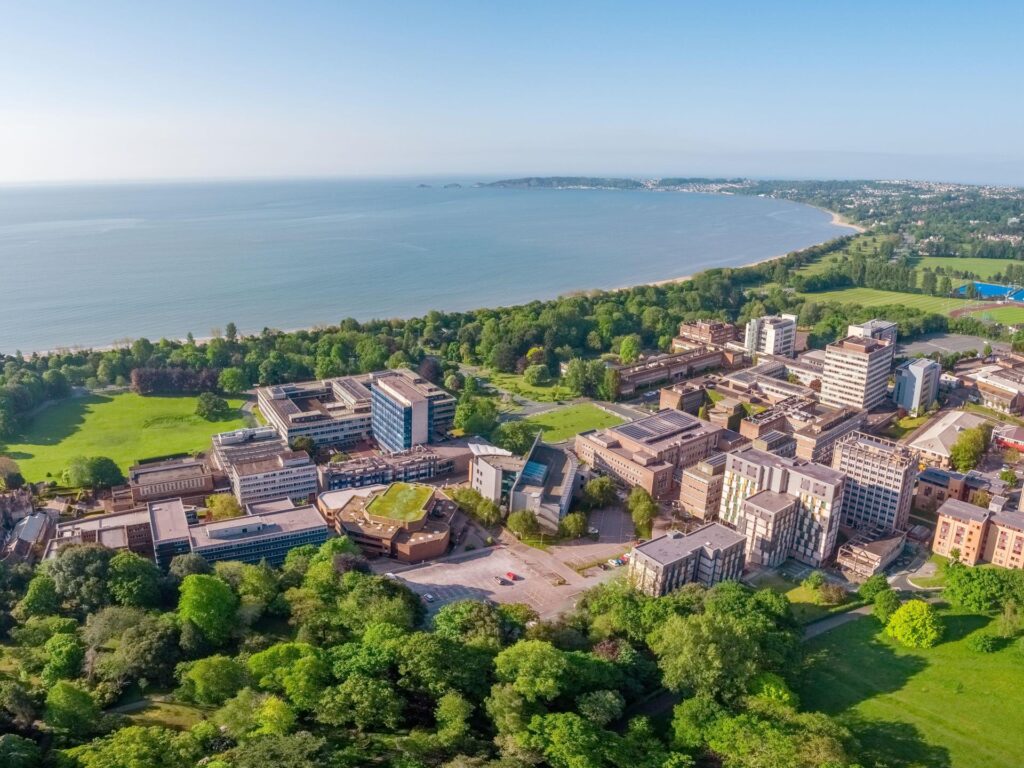
“Community intertwined with everyday culture is central to Swansea’s identity. The Swansea Indoor Market is one of the largest in Wales and a longstanding social hub for independent traders and producers, while regular outdoor markets and park events are family-friendly, informal gathering spaces for locals. There are also around 17 libraries in Swansea – one being Y Storfa, a library meets community hub for health and wellbeing activities and events.
“The city’s community spirit is also shaped by its diverse communities. C3 Centre for Creativity and Culture amplifies migrant voices through writing, film, and performances, while cultural festivals such as Eid, Diwali, and Lunar New Year are celebrated with fervour. Eid in the Park is a major community-wide event, the Welsh Islamic Cultural Association (WICAS) hosts Ramadan Iftars, and the Swansea Hindu Society organises the annual Diwali Ball.”
Cardiff
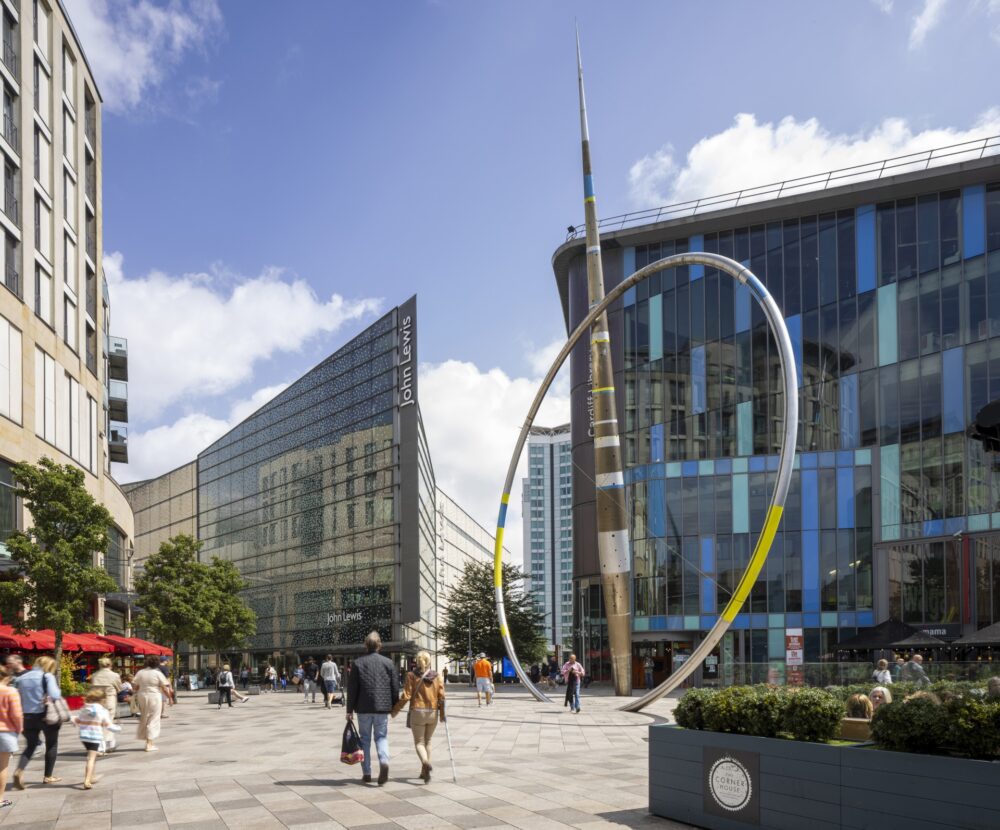
While no Welsh locations made the top ten, Cardiff came in highest in the nation at a respectable number 12
Cultural calendar highlights of Cardiff for Big 7 are: Tafwyl (20th & 21st June 2026), Sŵn Festival (dates TBC), Cardiff International Food and Drink Festival (3rd – 5th June 2026), Cardiff Music City Festival (2nd – 17th October 2026), Pride Cymru (13th & 14th June 2026), Iris Prize Festival (12th – 18th October 2026)
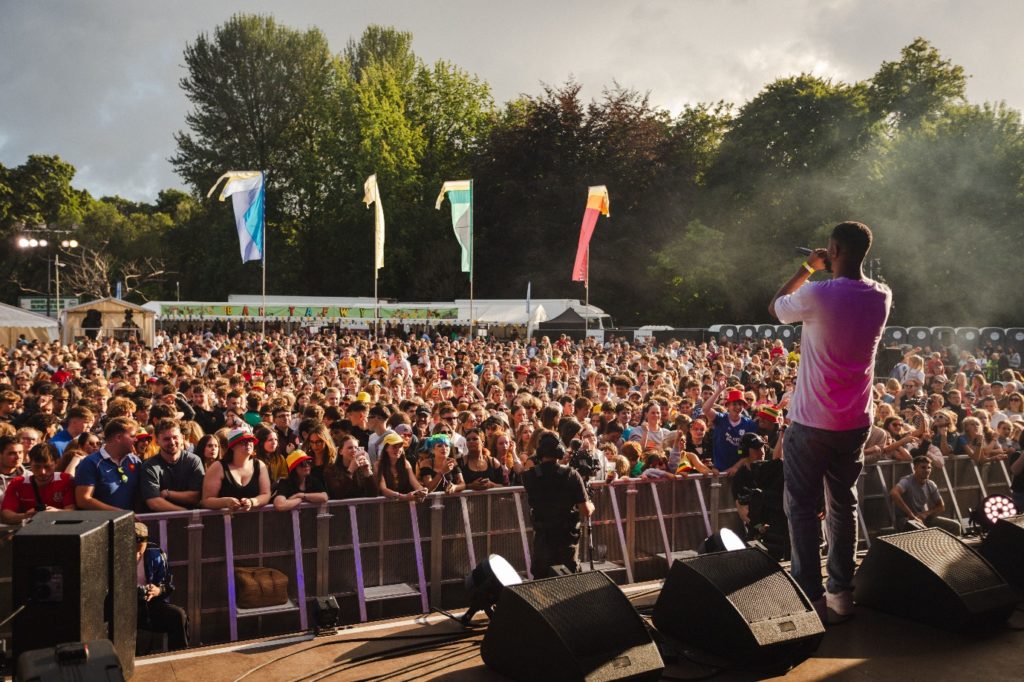
Big 7 write: “Cardiff manages to combine a big city energy with a welcoming, small-town feel. As the Welsh capital, Cardiff is the home of the country’s national institutions, hosts major events, and is the political and cultural epicentre. And it does this without the sprawling size that can be overwhelming. It’s compact and accessible, making it easier to navigate, get involved in local initiatives, and foster a community.
“In Cardiff, culture is actively preserved. The Welsh language holds equal status, and over 12% of residents speak it. Its visibility on signage, in public services, and in media brings the preservation of the Welsh language into everyday life, and the Tafwyl festival celebrates this heritage. In areas like trendy Canton and leafy Pontcanna, Welsh is actively spoken in coffee shops, stores, and on the streets. Several community groups offer free Welsh language classes and conversation groups, including the Cardiff Central Library and the Daffodil Pub.
“While Cardiff’s cultural identity is rooted in heritage, it also looks to the future, nurturing creativity and innovation. Creative jobs make up 5.3% of the workforce, supported by top-tier production companies, like Wolf Studios Wales, BBC Studios, and Seren Studios. The city is widely considered the third largest production hub in the UK, after London and Manchester.
“Cardiff also has a thriving grassroots and independent scene. Music venues like the New Moon, Clwb Ifor Bach, and Porter’s foster local talent, while community-led events at spaces like the Chapter Arts Centre bring residents together. The city’s diversity adds another layer to its cultural richness. A growing international population – 115 languages are spoken locally – is reflected in the food scene and festivals, from Bluetown Carnival to Lunar New Year celebrations at Cardiff Bay. It’s not just about preserving culture in Cardiff, it’s also about supporting its evolution, shaped by the people who live here.”
You can see the full ranking here.
Support our Nation today
For the price of a cup of coffee a month you can help us create an independent, not-for-profit, national news service for the people of Wales, by the people of Wales.
Get more trusted Welsh news
Choose Nation.Cymru as a preferred source in Google News to see more of our journalism.


