

Welsh social media personality challenges misconceptions about Welsh accents
Caitlin Thomas
A Welsh Instagram personality has spoken out after repeatedly being told she “doesn’t sound Welsh”, saying the comments highlight a wider misunderstanding about the diversity of Welsh accents and identity.
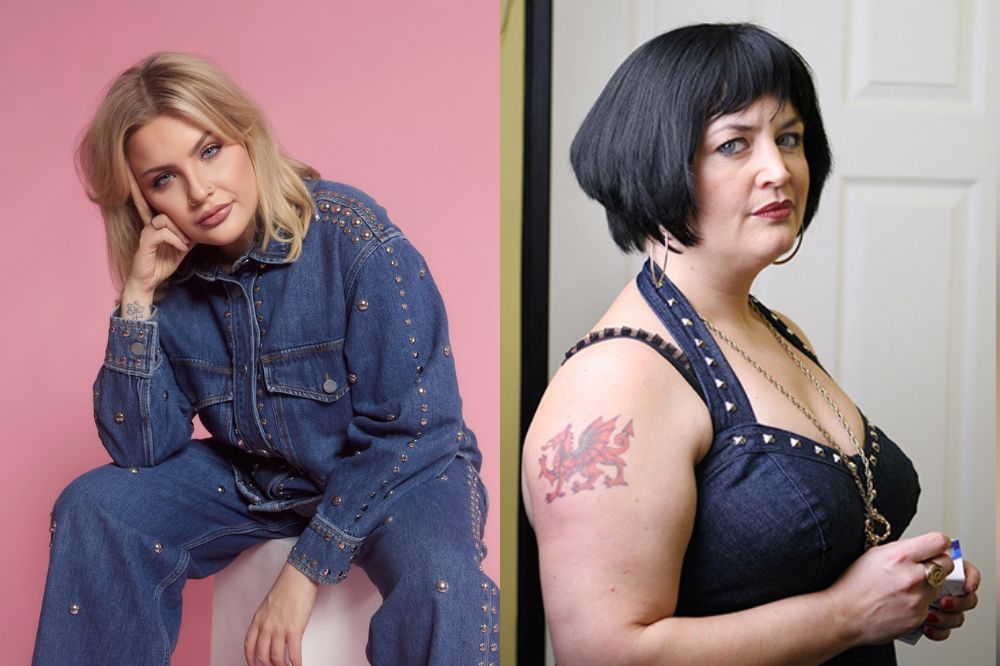
Mared Parry said she has been challenged on her Welsh credentials on several occasions because her accent does not match what she described as a “caricatured” idea of how Welsh people are expected to sound.
“Not all Welsh people sound the same,” she said. “There are different accents, and it almost feels like an insult when people say I don’t sound Welsh.”
Ms Parry, who is originally from north Wales and now lives in London, said she is often told that she does not sound Welsh despite speaking the language and having a north Wales accent.
“Not sounding like Nessa doesn’t make us any less Welsh,” she added.
View this post on Instagram
The character Nessa Jenkins from the BBC sitcom Gavin and Stacey has become a widely recognised cultural reference point, but Ms Parry said comparisons to the show are frequently made even when there is little resemblance to her own background or accent.
While the series remains widely popular, some viewers have argued that it has contributed to a narrow public perception of Welsh accents and dialects.
In online discussions about the programme, including on Reddit, viewers have pointed out that certain phrases and accents associated with the show are exaggerated for comic effect. One commenter said they had never heard anyone say “what’s occurin’” outside of the series, with others agreed that it was simply a catchphrase created for the character.
In interviews, Joanna Page, who plays Stacey Shipman in the show, has also spoken about differences in Welsh accents. She has previously explained that the character’s fictional background was changed because she was unable to perform a Cardiff accent and instead speaks with a strong Swansea accent.
“The one time I get to be Welsh and I still can’t do my own accent,” she said when discussing reading the script for the first time.
“Not all Welsh people are from the Valleys”
Ms Parry said her posts were intended to highlight that Welsh identity is not confined to one region or way of speaking.
“Not all Welsh people are from the Valleys,” she said. “Some of us are from north Wales. Some of us have a different accent.”
She added that many of the comments she receives come from people in England, where she now lives, and argued that similar assumptions would not be made about people from England with strong regional accents.
“You wouldn’t tell a Geordie they aren’t English just because they don’t sound like the Queen,” she said.
Her comments prompted a strong response on social media, with many users sharing similar experiences of having their Welsh identity questioned.
Several commenters highlighted the experience of people from north east Wales and other areas close to the English border, where accents are often less pronounced due to geography and long-standing cross-border links.
“Try being from north east Wales,” one person wrote, while another added: “Bane of my life. ‘Oh but you don’t SOUND Welsh’.”
Others said they were frequently mistaken for being from Liverpool, with the Scouse accent often incorrectly assumed to be Welsh.
“I keep telling people we don’t sound Scouse at all. They sound like us,” one commenter said.

Another user, Doctor Cymraeg, writing in Welsh, said there were “lots of different accents in Wales… even across north Wales”.
Some commenters said they now respond to questions about their accent by switching into Welsh, while others said they had grown accustomed to being compared to characters from Gavin and Stacey, even when they are from parts of Wales far removed from south Wales.
Linguists have previously noted that people living close to the Welsh–English border are less likely to have a strong Welsh accent due to proximity, migration and cultural exchange.
While there are historical connections between north Wales and Liverpool, the Scouse accent has developed through a complex combination of influences, including Irish migration and maritime trade, rather than being simply Welsh in origin.
The discussion has highlighted how assumptions about what it means to “sound Welsh” can overlook the linguistic and cultural diversity that exists across Wales.
For Ms Parry and many who engaged with her posts, the comments reflect a broader misunderstanding of Welsh identity, in which accent is often treated as a defining marker despite wide variation shaped by region, history and language.
Support our Nation today
For the price of a cup of coffee a month you can help us create an independent, not-for-profit, national news service for the people of Wales, by the people of Wales.


Try a Buckley accent for a nice mix ! But just as much a Welsh accent as a Caernarfon one!