


ADHD charity says Channel 4 documentary ‘piled stigma onto the community’
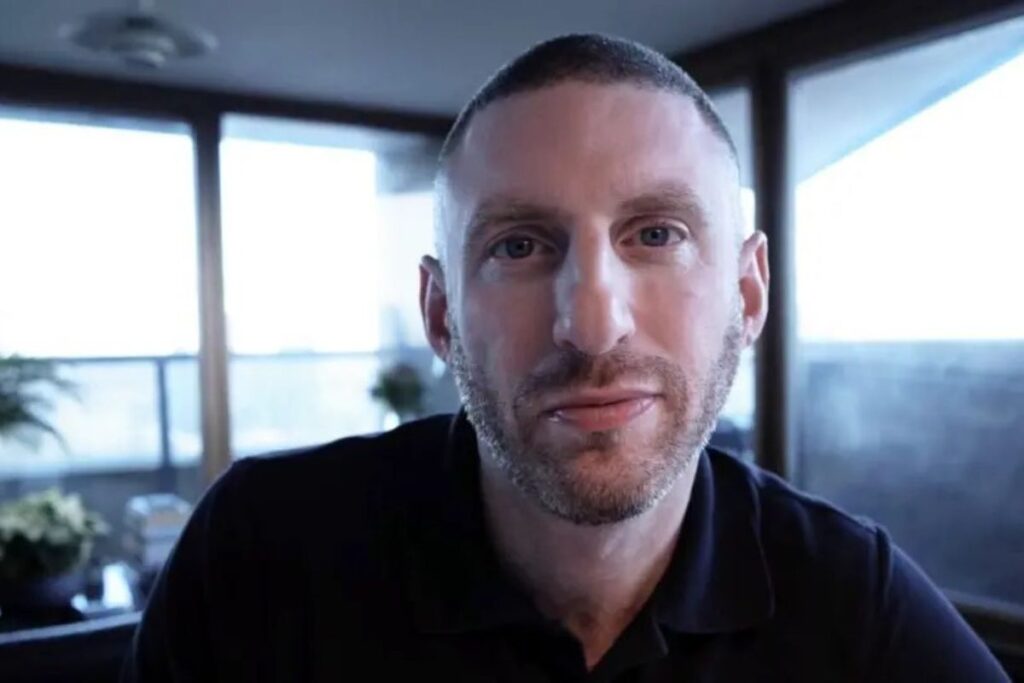
Carla Feric, Press Association Entertainment Reporter
An ADHD charity has criticised a Channel 4 documentary which questioned whether the condition is a myth, saying it “piled stigma onto a community already carrying too much of it”.
The Great ADHD Myth? sparked criticism after its broadcast on Tuesday when viewers saw host Dr Max Pemberton, an NHS psychiatrist, conclude ADHD was “a social construct” rather than a neurodevelopmental disorder.
ADHD UK previously made a complaint to the media regulator Ofcom, and in a message on its website said: “ADHD is not a myth. It is not a social construct.”
In a statement to the Press Association, the CEO of the charity, Henry Shelford, said: “In the 48 hours since broadcast, we have been heartened by an extraordinary and unified response.”
He cited comments by Professor Katya Rubia, who featured in the programme and told New Scientist magazine that she felt her “hours-long” interview was “cherry-picked” in a “push for presenting ADHD as a myth”.
Mr Shelford added: “(The programme) did not speak truth to power – it piled stigma onto a community already carrying too much of it: years on waiting lists, medical need that too often goes unmet, and a suicide risk far above the general population’s.
“Ours is a community that struggles, and Channel 4 chose to add to that struggle rather than examine it.”
ADHD (attention deficit hyperactivity disorder) is a condition where the brain works differently – and symptoms include hyperactivity, impulsivity and inattention, according to the NHS.
The hour-long documentary featured experts who are sceptical about the condition and its treatment, and followed a 10-year-old boy who stopped his medication and changed his lifestyle to examine the impact on his behaviour.
After its broadcast, ADHD UK wrote on its website: “The programme’s own end credits told you what its 60 minutes wouldn’t: the boy at its centre went back on his medication, and his schoolwork improved.
“Their experiment disproved their conclusion. They aired their version anyway. We have already complained to Ofcom.”
“We deserve better than this,” it added.
A spokesperson from Ofcom said: “We are assessing the complaints against our rules, but are yet to decide whether or not to investigate.”
The show has also received criticism from Professor Subodh Dave, the president of the Royal College of Psychiatrists, who acknowledged that people “may have their own opinions about the diagnosis and treatment of ADHD”.
Professor Dave also said “invalidating the condition does a disservice to people with ADHD and professionals involved in their care”, and noted that the way people speak about neurodevelopmental conditions “can fuel harmful stigma”.
“The focus should be on improving access to high-quality assessments and care by addressing waiting lists that leave many people without vital support for years at a time, not questioning the legitimacy of a well-established neurodevelopmental disorder,” he added.
The programme has received mixed reviews from critics, with The Guardian branding it “the most controversial show of the year”, while The Times said it was a “provocative film against overdiagnosing”.
Channel 4 has been contacted for comment.
Support our Nation today
For the price of a cup of coffee a month you can help us create an independent, not-for-profit, national news service for the people of Wales, by the people of Wales.
Get more trusted Welsh news
Choose Nation.Cymru as a preferred source in Google News to see more of our journalism.



Bad programming and the bloke pictured above has sort of been outed as not a suitable witness (by experts in the field).
Prof Katya Rubia has spoken at length about how her words were edited to mislead viewers into believing she endorsed the devious narrative C4 was spinning about ADHD being a “social construct.”
Imagine if we said that about physical disabilities. Wheelchair bound? No such thing, it’s a social construct.