


Alarming levels of rat poison found in otters
Stephen Price
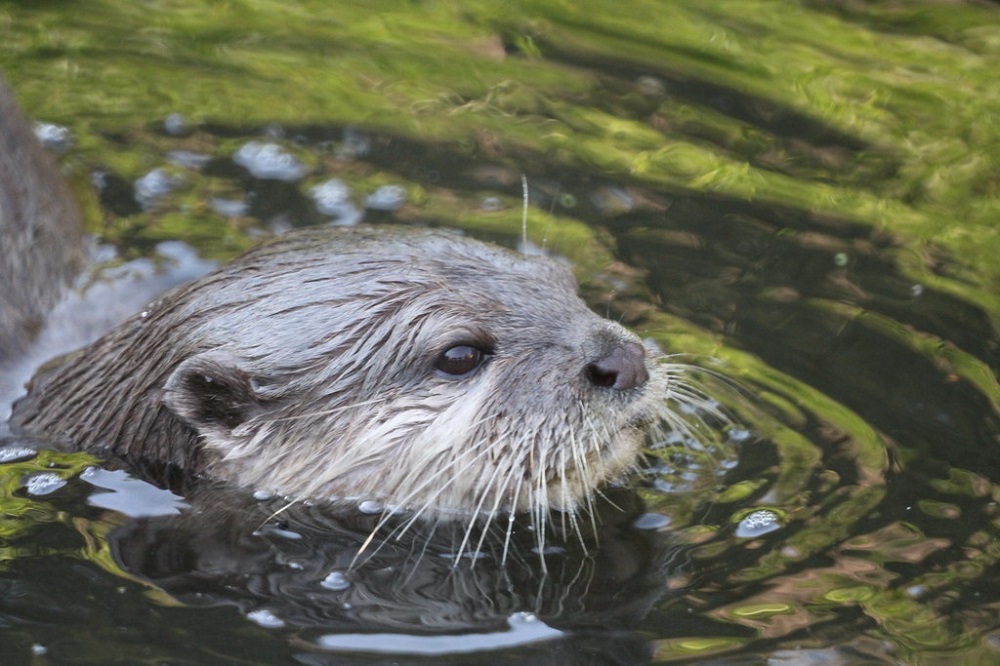
New research conducted by a Wales-based wildlife group has found data showing alarming levels of rat poisons in British otters and other native animal species including foxes and rare birds of prey.
Wildlife Poisoning Research UK (WPRUK), based in Powys, discovered that 91% of all otters tested during a recent study had been exposed to poisons known as ‘Second Generation Anticoagulant Rodenticides’ (SGARs), and 43% had these at potentially lethal levels.
The livers of all otters tested since 2019 were found to contain these poisons.
As well as their direct lethal impact, these poisons are also chronic and debilitating – for several days prior to death the affected animals and birds are lethargic and unaware of their environment – making them vulnerable to predation and trauma (such as being hit by cars).
There is now also evidence that sublethal doses of these poisons can damage the immune system and increase levels of disease.
According to the research, the proportion of otters exposed in Wales, and across the rest of Britain appears to be far higher than in other countries where there have been similar studies.
Recent research in Germany indicates that otters are being poisoned from eating fish which have been exposed to SGARs from poorly treated sewage and direct run-off from drains.
These poisons are regularly used to kill rats in sewers, but this goes on ‘out of sight’ without the public knowing.
Environmental risks
Releasing the report, Dr Ed Blane from WPRUK said: “There is now an urgent need to test sewage effluent and river life for these poisons to see if this is happening in Britain.
“If this is so, then it is time to reassess the use of these poisons in sewer systems. There are other alternatives to SGAR poisons which do not have the environmental risks.”

According to Dr Blane, many of the poisons that end up in our waterways should have been banned as they failed environmental risk assessments, but the UK government permitting their continued use if the chemical industry introduced a regime to ‘significantly reduce’ poison exposure in wildlife – an approach accepted by the Welsh Government.
Following this, levels of poison found in the livers of various species went up in buzzards by 220%, in foxes by 401% and in peregrine falcons by 100%.
One of the main issues in the Wye catchment is the amount of industrial chicken farms, where rat poison use is at much higher levels, and run-off and other factors mean much of the poisons are entering our water courses.
Urgency
To help reduce exposure in wildlife to SGARs, Dr Blane is encouraging the Welsh public to avoid using these poisons if at all possible through better housekeeping, keeping areas clean and free of food sources, but, if they have to be used, to ensure that all the bait is cleared up afterwards.
He also urged those employing pest controllers to ask that they use alternatives to SGARs, such as cholecalciferol products, which are designed not to enter into the food chain.
Pressure must also be applied to water companies, including Dwr Cymru Welsh Water, who he says should be testing the effluent leaving the sewage farms and aquatic wildlife for these poisons, and making this data publicly available.

Dr Ed Blane added: “These results show that our rivers and their wildlife are now facing multiple challenges, not just from sewage releases and agricultural pollution, but also from unseen poisons entering the water.
“There is now an urgent need to test sewage effluent and river life for these rat poisons to establish if aquatic food chain exposure is happening here. If this is so, then it is time to reassess the use of these poisons in sewer systems. There are other alternatives to SGAR poisons which do not have the environmental risks.”
“The rat poisons being found in otters is just one example of the dire impact these chemicals are having on wildlife. Since the government relaxed the regulations on SGAR use in 2016 the levels of these toxins in buzzards has increased by 220%, in foxes by 401 % and in peregrine falcons by 100%”.
The Welsh Government says: “We are committed to working collaboratively with all parties, including regulators, developers, farmers, and communities in Wales to achieve long-term river health.
“We welcome the publication of the Independent Water Commission’s report last month on the future of the water which reflects a clear understanding of the values and priorities that matter to the people of Wales and the views of the sector in Wales.
“Suspected wildlife poisonings should be reported to the Wildlife Incident Investigation Scheme.”
A Natural Resources Wales spokesperson said: “As the regulatory body for Wales, NRW considers the health of our rivers to be a priority. We are working closely with researchers including Cardiff University’s Otter Project to identify trends in otters and impacts on their health including chemicals entering waterways.
“We will consider the findings of this research and note that the two otters in Wales used in this study need to be put into a broader context of evidence, including exposure routes, before action can be taken.”
The full report on SGAR exposure in otters can be found on the WPRUK website: wildlifepoisoningresearchuk.wordpress.com
The German Environment Agency has also issued a press release on their findings which can be found at https://www.umweltbundesamt.de/en/press/pressinformation/rat-poison-harms-fish-accumulates-in-the
Support our Nation today
For the price of a cup of coffee a month you can help us create an independent, not-for-profit, national news service for the people of Wales, by the people of Wales.



Make all poisons illegal except for licensed pest controllers and paperwork needs to be filed where it is used. If “found” in some section running through land or shooting estate field, they have to prove they did not use it or fined to the hilt.
Often certain sections are held up as “guardians of the land” when they are the worst thing that can happen. And no more “the game keeper did it”. The land owner gets the same sentence with added hurt.
Rat poison is on sale at your local supermarket.
Councils, water authorities, farmers and ordinary householders use vast quantities of rat poison.
But you chose to blame highly professional gamekeepers. of which there are very few in Wales.