


Almost half of dementia cases could be prevented by lifestyle changes
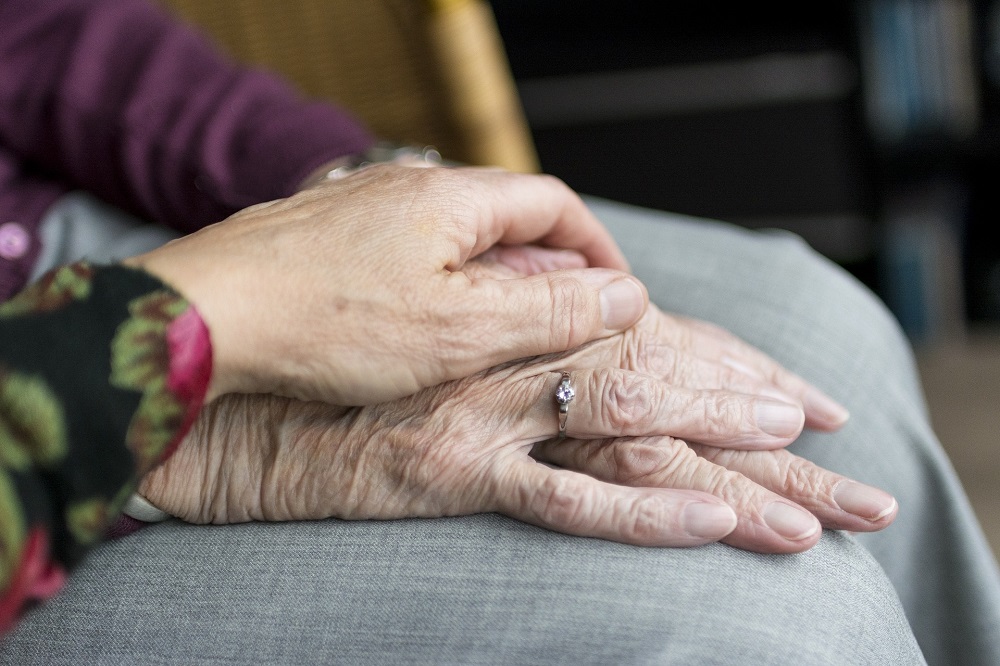
Almost half of dementia cases could be prevented through lifestyle and environmental changes, according to a new review of international evidence by Public Health Wales.
The findings challenge the widely held belief that dementia is an inevitable part of ageing and suggest that action taken throughout life could significantly reduce the risk of developing the condition.
Dementia is a growing global health challenge. An estimated 57 million people worldwide were living with dementia in 2019, a figure projected to rise to 153 million by 2050. It is currently the seventh leading cause of death globally and a major contributor to disability among older adults.
The economic cost is also substantial. Global spending linked to dementia reached around 1.3 trillion dollars in 2019 and is expected to more than double by 2030, underlining the scale of the challenge for health systems and societies.
According to the review, up to 45% of dementia cases could potentially be prevented by addressing 14 modifiable risk factors across the course of a person’s life.
These include physical inactivity, smoking, excessive alcohol consumption, untreated hearing and vision loss, and social isolation.
Health conditions such as high blood pressure, diabetes and obesity also increase the risk.
The evidence suggests that tackling these factors through earlier intervention and healthier lifestyles could reduce both the number of people developing dementia and the wider impact on families, communities and health services.
Dr Mariana Dyakova, Head of International Health and Well-being Economy Lead at Public Health Wales, said the research highlights the importance of prioritising brain health.
“The evidence is clear; dementia is not inevitable. By making changes to our lifestyle and environment, we can significantly reduce the risk,” she said.
“This is a call to action to prioritise brain health throughout life. Prevention is not only possible, it is powerful, and the benefits extend far beyond dementia to improve overall health and wellbeing. PHW is already working with partners to support this.”
Dementia Strategy
The findings come as the Welsh Government is consulting on a new Dementia Strategy for Wales.
Minister for Mental Health and Wellbeing Sarah Murphy said the report strengthens the case for preventative action.
“I welcome this Public Health Wales report, which strengthens the case for early, sustained action to protect brain health,” she said.
“We are committed to improving services and support for people with dementia and are consulting on a new Dementia Strategy for Wales. I would urge people to share their views and help shape the future of services and support.”
The report also highlights examples of preventative approaches being developed internationally.
Finland
One of the most prominent is Finland’s FINGER trial, a two-year programme that combined physical activity, healthy eating, cognitive training and management of vascular risk factors. The study found that participants at risk of dementia experienced measurable improvements in cognitive performance.
The model has since been expanded internationally through the WorldWide FINGERS network, which is testing similar approaches in multiple countries.
Public Health Wales is encouraging people to take practical steps to reduce their risk of dementia. These include staying physically active, eating a balanced diet, maintaining social connections and managing health conditions such as high blood pressure, diabetes and high cholesterol.
Hearing loss
Treating hearing and vision loss, avoiding smoking and limiting alcohol consumption can also help reduce risk.
The findings come from the latest International Health Insights report produced by Public Health Wales’ Policy and International Health Directorate. The report reviews global evidence on dementia prevention and adopts a life-course approach, recognising that risk factors accumulate from early life and are shaped by wider social, economic and environmental conditions.
Support our Nation today
For the price of a cup of coffee a month you can help us create an independent, not-for-profit, national news service for the people of Wales, by the people of Wales.



While possible that hearing loss is a risk factor for dementia, or an early symptom, or both, it’s very difficult to determine on an individual basis.
I’m not knocking the listed lifestyle factors, simply pointing out there’s a bit more nuance involved. There isn’t very much you can do about genetic risks for example.