


Annual Perseid meteor shower to reach dazzling peak on Tuesday night
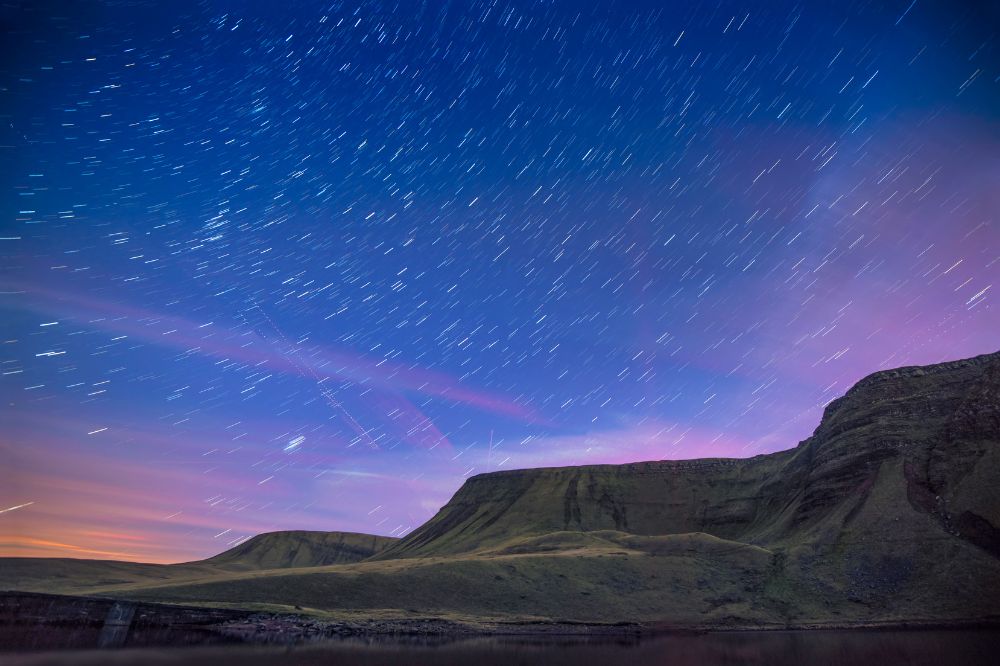
Shooting stars will be visible across the UK in the annual Perseid meteor shower that reaches its dazzling peak on Tuesday night – with Wales providing some of the best locations for the ideal view.
Every summer the Earth slams into a trail of debris from the Swift-Tuttle comet that also orbits the Sun.
Specks as small as a grain of dust or rice flare up under the pressure of the planet’s atmosphere to create shooting stars, said Royal Observatory Greenwich astronomer Dr Ed Bloomer.
Around 150 meteors will cross the sky per hour but that amount will not be visible because the horizon blocks a full view of the sky, he added.
However, an estimated 100 meteors could be seen per hour in certain locations that are particularly flat and dark.
The meteor shower has been running for a few weeks and will continue until around August 24, the astronomer told the PA news agency.
He said this means that “we have lots of chances to see this” but “you have to let your eyes adjust to the dark”.
Relax and wait
Dr Bloomer recommended stargazers wait half an hour to let their eyes get used to it, adding: “Take a camping chair or something – if you had one, you would just sit down, and you would just relax, and you would just wait.
“You want to get away from city lights, you want to get away from street lamps.
“If you’re looking out from your garden – it sounds obvious – but switch the kitchen light off, give yourself time to just put the phone away.”
People struggling to see the meteors can turn and watch through their peripheral vision as it is “a little bit better with low light conditions”, he said.
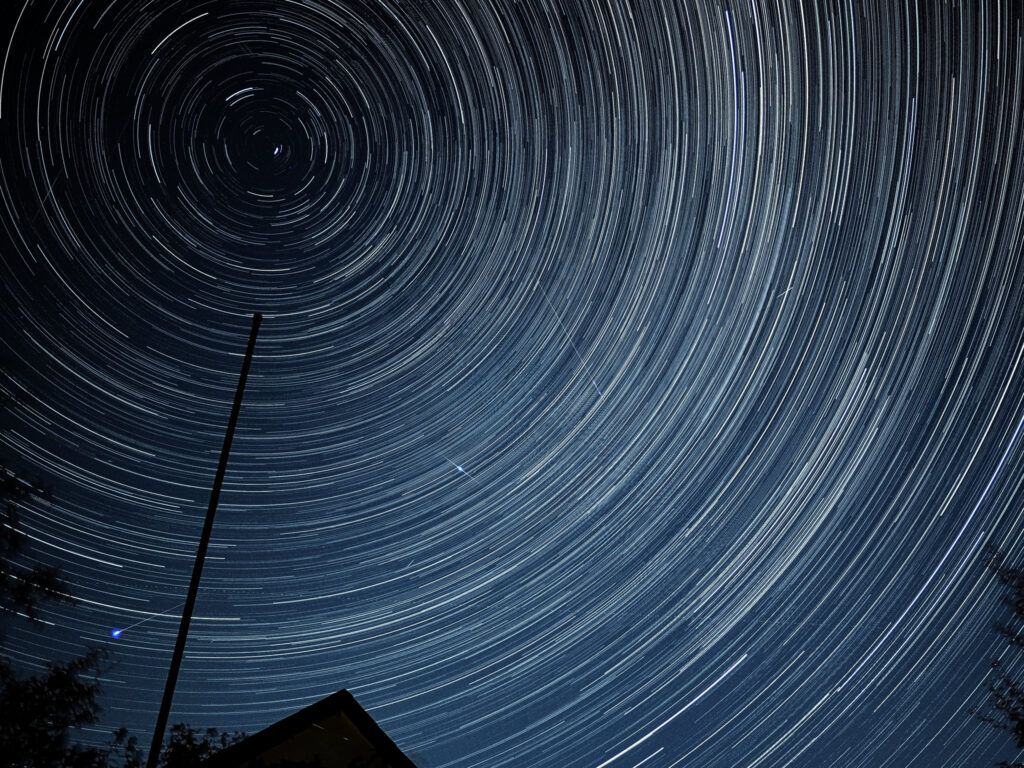
As it is summer, viewers will also have to wait until relatively late at night for it to be dark enough to see the celestial show.
The astronomer added: “For us, it’s kind of one of the best (meteor showers), it’s kind of reliable, it’s long lived, it’s quite dense… it’s pretty active.
“You don’t need to really be in a very specific location, the hourly rate is fairly high, so I think even beginners will be I think satisfied having seen them.”
The weather is largely clear but early in the week the almost-full waning moon could make Perseid less visible.
The meteor shower will be in the north-east as the sun is going down, Dr Bloomer added.
He said: “However, it’s not available to everybody, because the further south you go… Perseid is lower and lower on the horizon.
“The primary interest is for Northern Hemisphere observers – Perseid is pretty low for us here in the UK, but it is above the horizon… in fact, it’s above the horizon all day, but the problem is, of course, during the day, nothing’s going to be visible.”
Despite it being more visible in the north “the dominant thing is going to be, can you get yourself in a dark location”, he added.
“Getting into the middle of a field in the south east of England, in London, is going to be better than being in the middle of Aberdeen.”
Shooting stars generally only last a second or two and sometimes appear in flurries, the astronomer said.
Rarer meteors the size of a fist or basketball will produce longer tails and are known as fireballs, he added.
These can last five to 10 seconds, but Dr Bloomer said he has only ever seen one.
The level up is a bolide but “that’s a sort of national emergency type thing”, he added.
Wales
A Welsh location has been revealed as the best place in the UK to see the spectacular Perseid meteor shower – with two other Welsh spots appearing in the UK-wide top ten.
The Perseid meteor shower is active between 17 July and 24 August, with the number of meteors increasing every night until it reaches a peak of up to 60 meteors per hour on the night of the 12th August. The best time to see them will be between 12am-5:30am.
Several celestial phenomena lit up our sky this year, including the solar eclipse and northern lights, leading to interest in astronomical events and astro-tourism rapidly growing in popularity. In fact, there has been a 53%* increase in travellers seeking destinations to experience the Aurora Borealis, while almost a third (28%)* plan to visit Dark Sky Reserves this year.
To help keen stargazers find the perfect location for witnessing the Perseids meteor shower, Planet Cruise has conducted a study to find the top global and UK destinations for astro-tourism.
The best destinations in the UK for astro-tourism
| Rank | Location | Latitude | Avg Elevation (m) | Light pollution |
| 1. | Eryri, Gwynedd | 52.90053
|
700 | 0.4 |
| 2. | Wasdale (Scafell Pike), Cumbria | 54.45675
|
351 | 0 |
| 3. | Derwentwater, Cumbria | 54.59478
|
265 | 0.2 |
| 4. | North York Moors, Yorkshire | 54.37432
|
237 | 0 |
| 5. | Yorkshire Dales (Richmond), Yorkshire | 54.26081
|
166 | 0.2 |
| 6. | Shetland Islands, Scotland | 60.34662
|
4 | 1.9 |
| 7. | Black Down, West Sussex | 51.06274
|
385 | 0.4 |
| 8. | Cambrian Mountains (Llanidloes), Wales | 52.41609
|
267 | 0.4
|
| 9. | Carding Mill Valley on the Long Mynd, Shropshire | 52.54564
|
280 | 0.7 |
| 10. | Bannau Brycheiniog National Park, Wales | 51.87969
|
270 | 0.4 |
Yr Wyddfa, Eryri is the best location in the UK for astro tourism
Eryri, Wales, tops the UK rankings as the best location for stargazing. Yr Wyddfa, with an elevation of 700 metres and extremely low light pollution, offers breathtaking views of the Milky Way, constellations, and even meteor showers.
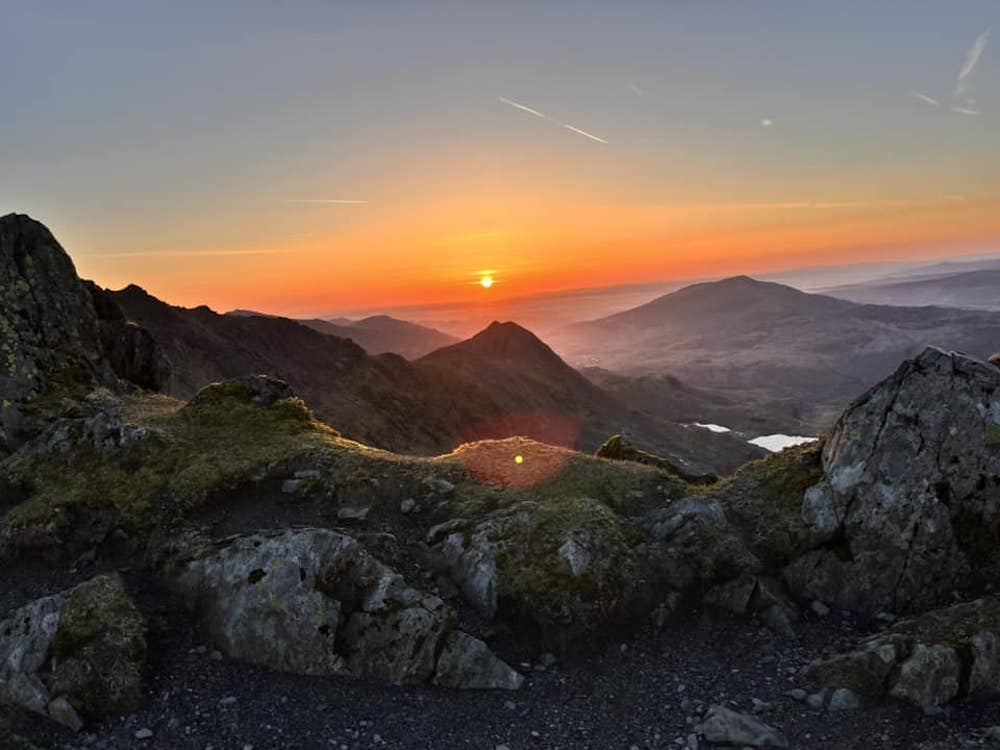
The vast national park provides numerous vantage points, ensuring an unforgettable stargazing experience.
Wasdale, home to England’s highest peak, Scafell Pike, ranks second. With zero light pollution and an elevation of 351 metres, it provides pristine night skies perfect for observing celestial wonders. Whether from the valleys or the peaks, Wasdale offers unparalleled opportunities for stargazing enthusiasts.
Two more Welsh Locations make up the top ten leader board
Wales solidifies its reputation as a premier astro-tourism destination, with three of its breathtaking locations ranking in the UK’s top ten.
Alongside Eryri, which claims the top spot, the Cambrian Mountains and Bannau Brycheiniog National Park also shine as exceptional stargazing sites.
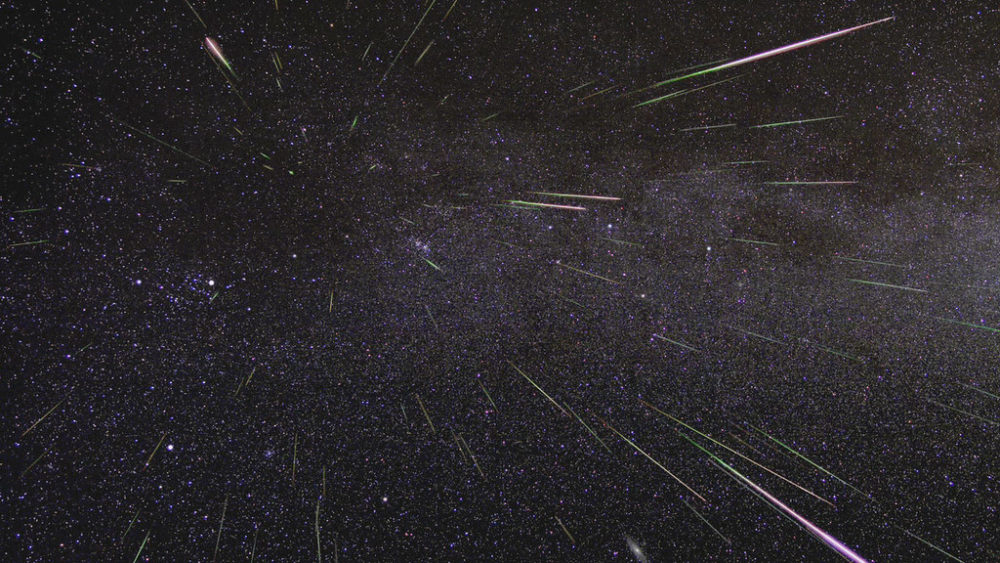
The Cambrian Mountains, ranking eighth, offer vast, unspoiled landscapes with minimal light pollution, providing perfect conditions for observing constellations and meteor showers. Meanwhile, the Bannau, in tenth place, is a renowned Dark Sky Reserve, where visitors can marvel at the Milky Way in a stunning natural setting.
With its commitment to dark sky conservation, Wales continues to be a must-visit destination for those seeking awe-inspiring views of the night sky.
The best destinations worldwide for astro-tourism
| Rank | Location | Latitude | Avg Elevation (m) | Avg Light Pollution | Instagram posts mentioning ‘Northern Lights’ |
| 1. | Interlaken, Switzerland | 46.68582
|
3,401
|
2 | 68 |
| 2. | Reykjavik, Iceland | 64.13482
|
67
|
32.5
|
41,813
|
| 3. | Waterton-Glacier International Peace Park, Canada | 49.05253
|
1,481
|
1.4
|
10,057
|
| 4. | Mauna Kea, Hawaii, USA | 19.80781
|
3,978
|
0.5
|
6 |
| 5. | Salar de Uyuni, Bolivia | -20.1851
|
3,723
|
0 | 0 |
| 6. | Leknes, Norway | 68.14699
|
60
|
10
|
15,578
|
| 7. | Lapland, Finland | 67.73225
|
249
|
1.6 | 5,695
|
| 8. | Gantrisch Dark Sky Zone, Switzerland | 46.70443
|
1,776
|
0.2 | 68 |
| 9. | Hehuan Mountain, Taiwan | 24.17857
|
3,030
|
0.2 | 0 |
| 10. | Kittila, Finland | 67.79493
|
254
|
8.1 | 5,695
|
Interlaken in Switzerland is the best location worldwide for astro tourism
Interlaken, Switzerland, claims the top spot thanks to its high elevation of 3,401 metres and low light pollution, making it an ideal location for stargazing. The Milky Way is often visible, and the area is popular for winter sports and outdoor activities, making it an adventure-lovers’ paradise.
Reykjavík, Iceland, ranks second, offering some of the best opportunities to see the Northern Lights due to its high latitude. Despite some light pollution in the city, excursions to darker areas allow for spectacular Aurora Borealis sightings, with over 41,000 Instagram posts showcasing its magical displays.
To find out more about the best locations for astro tourism, follow: https://www.planetcruise.com/en/top-astro-tourism-destinations
Support our Nation today
For the price of a cup of coffee a month you can help us create an independent, not-for-profit, national news service for the people of Wales, by the people of Wales.


