


Anti-fascist battle to be commemorated with new blue plaque
Mark Mansfield
A blue plaque is to be unveiled to commemorate a defining confrontation which helped halt the spread of fascism in Wales in the 1930s.
The new plaque marks the site of the Battle of De Winton Field in Tonypandy, where on 11 June 1936 an estimated 6,000 anti-fascist demonstrators gathered to oppose a rally organised by representatives of Sir Oswald Mosley’s British Union of Fascists (BUF).
The official unveiling will take place on 13 June at 12.30pm at the Cambrian Colliery NUM Lodge in Tonypandy and is open to the public.
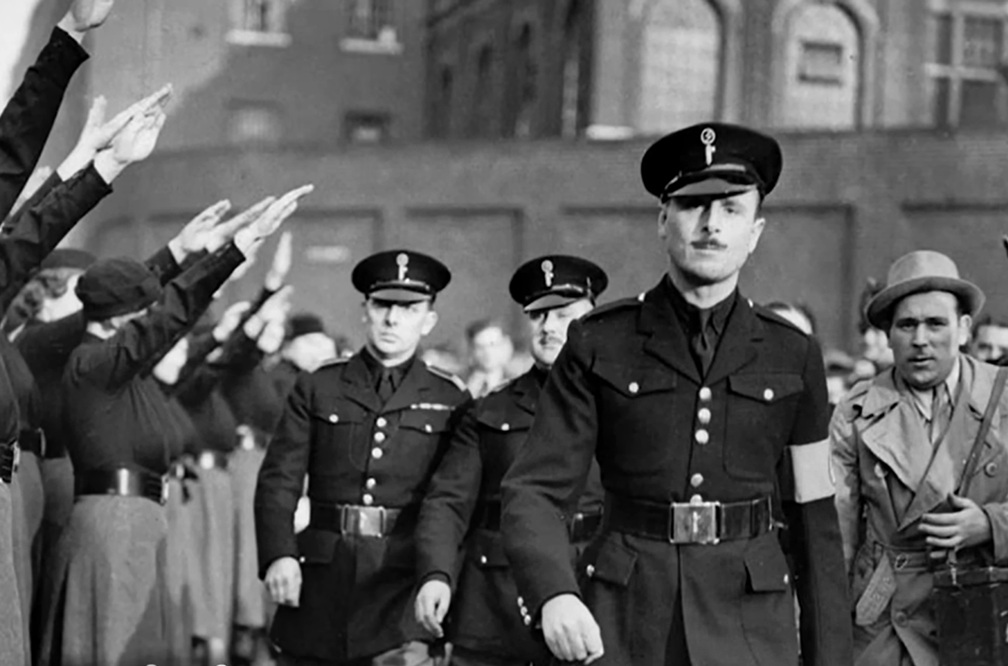
The confrontation unfolded when BUF propaganda officer Tommy Moran travelled to the Valleys with a small group of Blackshirts intending to hold a public meeting near the town centre.
News of the planned rally quickly spread and local opposition mobilised.
Thousands of local miners, trade unionists, socialists, communists and residents assembled at De Winton Field to prevent the event from taking place.
Protected by police, the fascists attempted to address the crowd but were met with sustained heckling, jeering and disruption.
The confrontation escalated and stones were thrown before the rally was abandoned after around 30 minutes.
Historians and campaigners regard the event as a decisive moment in Welsh anti-fascist history and the final serious attempt by the BUF to organise publicly in Wales.
But the aftermath also carried consequences for those involved.
Thirty-seven anti-fascist demonstrators were charged with riot and related offences across 187 counts, with several receiving prison sentences of six months.
Four of those later volunteered to join the International Brigades during the Spanish Civil War, which began only weeks later.
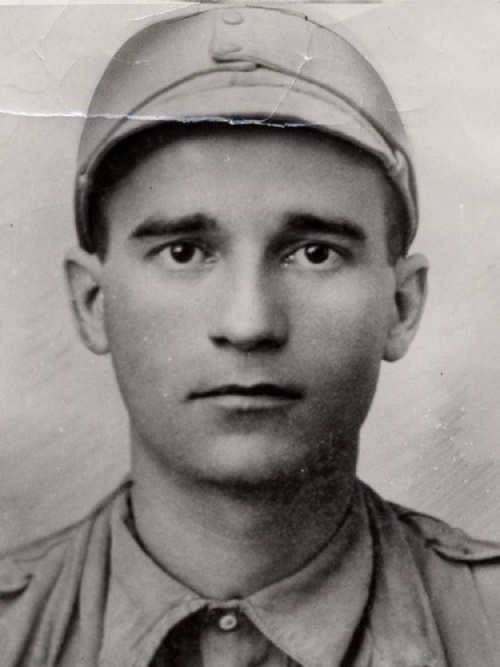
Among them was Harry Dobson, a miner from Blaenclydach who became one of the best-known Welsh volunteers before being killed at the Battle of the Ebro in 1938.
Dobson is already commemorated with a memorial plaque at Tonypandy Library.
The new marker joins a growing number of commemorations highlighting the Rhondda’s political and industrial history.
A separate blue plaque dedicated to miners’ leader A.J. Cook, who was also arrested following the Battle of De Winton Field, is displayed at Rhondda Heritage Park Museum in Trehafod.
Political heritage
Councillor Scott Emanuel, Rhondda Cynon Taf Council’s Cabinet Member for Communities, Culture and Leisure, said: “The ceremony will provide an opportunity to reflect on the area’s rich social and political heritage, and to recognise the courage and solidarity shown by those who stood in defence of democratic values.
“Members of the public are warmly invited to attend and take part in this important act of remembrance.”
Support our Nation today
For the price of a cup of coffee a month you can help us create an independent, not-for-profit, national news service for the people of Wales, by the people of Wales.
Get more trusted Welsh news
Choose Nation.Cymru as a preferred source in Google News to see more of our journalism.



Will the Reform company object to this!
They don’t like the flag of Ukraine and Ukraine are standing up to evil. So I would say yes (but nige will look to see which way the wind is blowing first before allowing his stooges in Wales to have an idea about it).
Is that Fake Tommy’s namesake?
Whenever a photo of the Gobby Blinder and his gang is need use the one above…
RIP Jo Cox…
Genuinely didn’t know about this but I’m not at all surprised. We don’t tolerate fascists around these parts.
They form the second largest bloc in the Senedd.
This is the attitude that’s very much needed today. Its kind of embarrassing that Cymru has lowered itself to let these types back in.