

Anti-Muslim hate definition would protect people, not shut down Islam criticism
A new definition of anti-Muslim hate would aim to protect people from abuse and harassment rather than shut down criticism of Islam, a member of the working group that advised the UK Government on the topic has said.
Critics of efforts to create a new definition have raised concerns that doing so could create backdoor blasphemy laws and curtail speech about Islamic extremism.
Ministers launched a working group, chaired by barrister and former Conservative attorney general Dominic Grieve, in February 2025 and their recommendations were submitted to Government in October.
Communities Secretary Steve Reed said last month that the new definition would be published “very shortly”.
A draft definition, reported by the BBC at the end of last year, included the phrase “anti-Muslim hostility” and referred to the “prejudicial stereotyping and racialisation of Muslims”.
Akeela Ahmed, chief executive of British Muslim Trust (BMT), has said a new definition would “help provide clarity” as to “what anti-Muslim hatred is, how it shows up, what it looks like, the different ways that it can be manifested”.
In an interview with the Press Association ahead of the formal launch of the BMT and its helpline for people to report incidents of hate against them on Monday, she said many British Muslims feel their place in the country “is being questioned” as they face regular abuse and hostility.
She declined to give any detail on what the working group’s submission to Government looked like, but insisted a new definition could help police, school staff, universities and local authorities have a clear understanding of what qualifies as anti-Muslim hatred.
According to the working group’s terms of reference, the new definition, if accepted by ministers, would be non-statutory and would aim to provide “the government and other relevant bodies with an understanding of unacceptable treatment and prejudice against Muslim communities”.
Ms Ahmed told PA: “A definition of anti-Muslim hatred, or anti-Muslim hostility, is about protecting people so that they can go about their daily lives safely, without fear of being attacked or abused or harassed.
“And similarly, that they can go about their lives without suffering any kind of prejudice or discrimination. It’s not about closing down criticism of religions or Islam.”
‘Thuggery’
She said the situation in Britain had deteriorated in the past two years with “echoes of the overt, thuggery (and) racism that my parents experienced when they arrived in this country in the 1970s and the early 80s”.
Speaking of her own experience of not being served in a shop last year, she recalled feeling “surprise and shock, and then I felt quite vulnerable”.
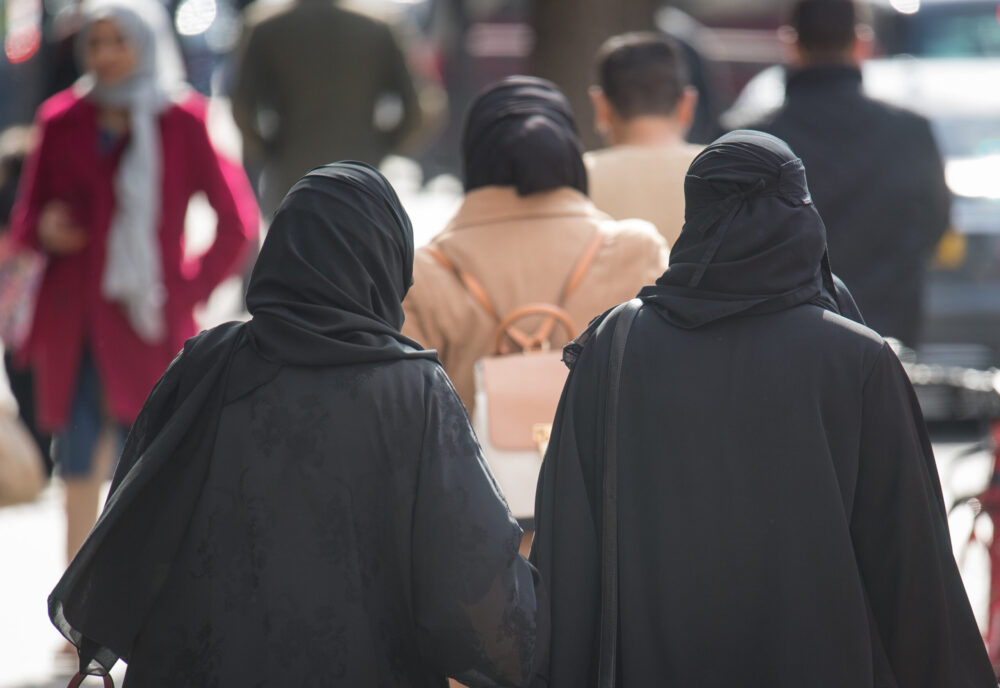
Some women who are visibly identifiable as followers of Islam because of the way they are dressed are scared to visit the shops, choosing to stay indoors and order online because of previous experiences of harassment, she said.
She said the summer 2024 riots, the Unite the Kingdom rally and flag-raising in various parts of the country in recent years, as well as the polarisation of views in the UK on the situation in the Middle East, have all meant “people really felt like their place in this country is being questioned”.
‘Integrated’
She added: “People quite powerfully expressed to us that they felt like, even though they’ve done all the right things – they’re born here, they’re educated here, they’ve got good jobs here, they’re integrated – it’s still not good enough.
“And now, in recent months and years, their loyalty to the country is being questioned. Their identity is being questioned.”
While she declined to say how soon or how urgently she feels a new definition should be agreed and published by Government, she said: “It would be helpful for them to kind of move forward on this.”
Speaking in January, Mr Reed said: “There will be no restrictions on the right to criticise a particular religion or religion in general on my watch.
“What we’ll do is look at how we can protect people from abuse that is extreme.”
Support our Nation today
For the price of a cup of coffee a month you can help us create an independent, not-for-profit, national news service for the people of Wales, by the people of Wales.



No religion should have statutory protection – that is the first step to blasphemy laws and eventual theocracy.
Heresy, blasphemy etc. Thought we were long past all that. The last religious furore in the UK was Life of Brian in the 70s. Concerning as no sky fairy should have special treatment.
We don’t need specific definitions of such things in law. There is no blasphemy in the UK. Islam is a religion as far as the UK is concerned. Its legal and social system has no basis in our laws. Practitioners are free to worship as they see fit like all other religions subject to the law of the land. Islam is also not a race and cries of islamophobia as racism should be stopped. Islam is a world wide multiethnic faith.