


Architect claims Wales’ industrial heritage being unfairly erased
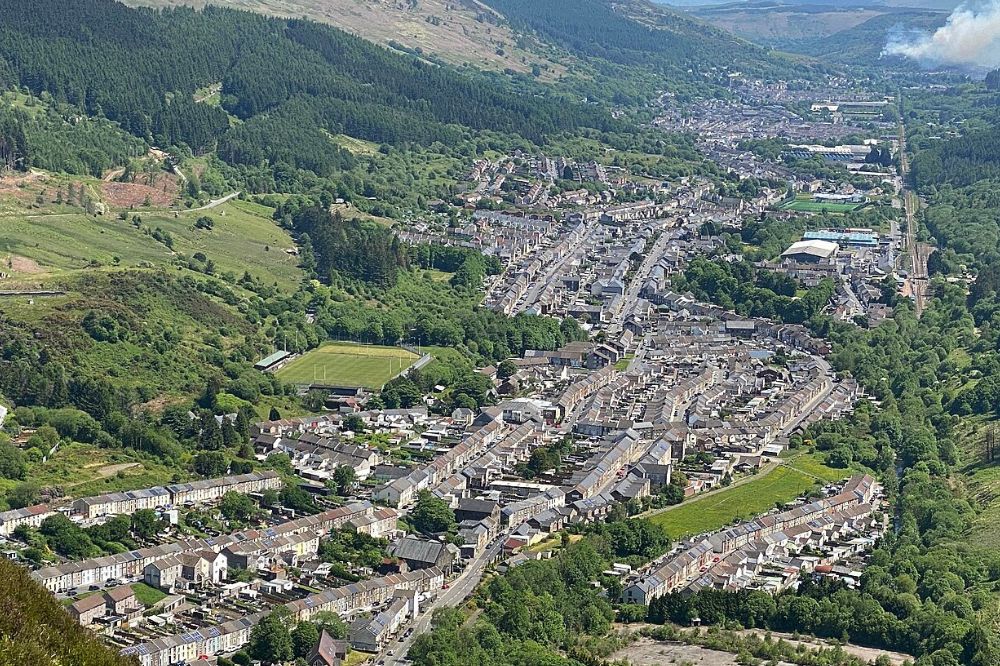
An architect has sparked a debate online after arguing that the historic buildings of the South Wales Valleys are too often demolished or neglected while similar heritage in England is protected.
Daniel, who posts on Instagram under @_Urbanarchitecht, discusses “buildings, spaces and design decisions”, interrogating “what works, what fails, and why it matters”.
On 15 May he shared a video to his 16,000 followers exploring the chapels and working men’s clubs of south Wales.
The creator said: “If you flatten a Georgian terrace in Bath, there’ll be an uproar. Flatten a miners’ welfare hall in Rhondda and people don’t even bat an eyelid.
“The South Wales Valleys holds one of the most distinctive built landscapes in Britain. Linear terraces clinging onto the hillside contour, chapels with classic facades on streets that were farmland 60 years before and we can’t forget the workmen’s institutions funded penny by penny out of miners’ wages.
“This vernacular architecture is just as important as Bath stone and East End brick.”
The Valleys’ distinct urban architecture was built during the rapid industrial expansion of the 19th century, and contributed to the Rhondda being added to the National Register of Landscapes of Historic Interest.
From around 1850 onwards, terraces of two-storey housing were built across the Valleys to accommodate increasing numbers of miners, alongside churches and other communal spaces for workers and their families.
Elsewhere, such as in the Blaenavon World Heritage Site, Welsh industrial architecture including the Ironworks’ blast furnaces, workers’ buildings, and several chapels have achieved Listed status.
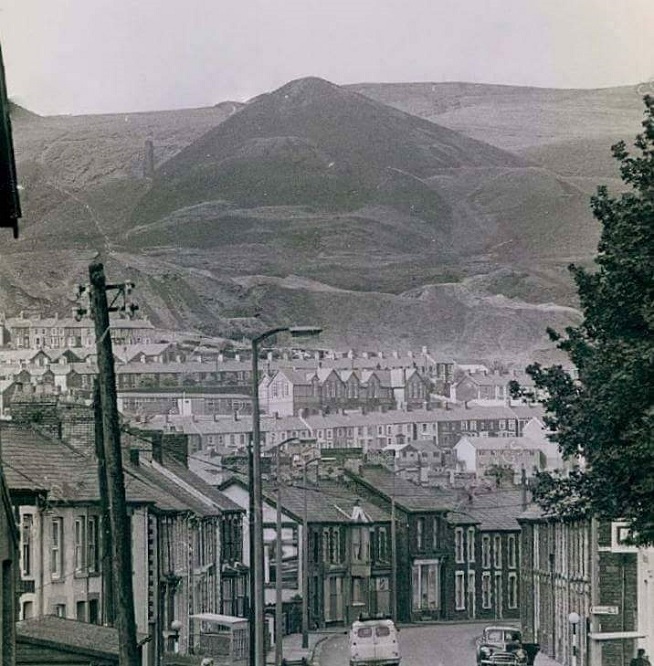
But Daniel goes on to question why many similar buildings that came to define the Valleys’ landscapes following this rise in industry are now disappearing.
He said: “In 1851, the county of Glamorgan had close to 400 chapels. By 1905, it had around 1,200. That’s 800 chapels added in 54 years. The building boom that gave Wales part of its national architecture.
“Today, Welsh chapels are closing at roughly one a week. A quarter of all places of worship in Wales have shut in the last decade. The miners’ halls went first.
“Oakdale’s institution survived only because it was dismantled brick by brick and rebuilt inside of St Fagans, the National Museum of the history of Wales.
“Bath has around 5,000 listed buildings. The Rhondda has barely a few hundred. That isn’t because Bath has better architecture. It comes down to having better advocates with louder press, deeper pockets and the tourism economy that depends on these buildings staying upright.
“The Valleys don’t have that. So the buildings come down quietly, and the only people that notice are the ones living in the communities…
“So when a building in London comes down, we call for a heritage debate. When a chapel or hall in south Wales comes down, we call it managed decline…
“It’s the same building age and craftsmanship. The only difference is the postcode.”
However, the creator concludes with some hope for the future, adding: “With Plaid being elected into the Senedd, maybe the Valleys will finally have a voice again.”
View this post on Instagram
Of the 350 commenters, many thanked the architect for “shining a light” on the issue, and agreed that the loss of such buildings should be stopped where possible.
One viewer wrote: “Wales has so much rich history especially in the South Wales valleys. The harsh realities of mining forged a deeply tight-knit culture and the terrace houses were built tightly into the hillside to accommodate the working families.
“This is another example of Wales being left to the ruin and neglected because it’s more attractive to save English towns and cities.
“We were the first industrial nation that had a worldwide impact but our heritage will never be forgotten by our communities!”
Another added: “It’s so frustrating that the Welsh approach to town planning and architecture is not celebrated given that it was rooted in community and faith.
“What I’m learning about housing developments is that when it’s done badly it destroys the incentive to build and invest in that area. A very thought-provoking story.”
Others highlighted that, when historic buildings are saved, it is usually through community-led efforts such as the campaign to save Capel Rhondda, and that the same issue persists throughout Wales in the northern industrial landscapes.
However, not everyone agreed, with one viewer writing: “While it is a great shame more industrial heritage isn’t saved in the Valleys, I think this is a bit of an unfair comparison.
“The key here is it’s much easier to find a new optimum use to a residential Georgian terrace in Bath than the double whammy of both the decline of the church and mining in the Valleys.”
Another put it more bluntly, stating: “Bruv the Valleys are misery and Bath is divine. What kind of comparison is that? And don’t frame this as a classist top down imposition, I’ve been to the Valleys and seen how the locals treat their churches.”
To see more of Daniel’s architecture commentary, follow his Instagram here.
Support our Nation today
For the price of a cup of coffee a month you can help us create an independent, not-for-profit, national news service for the people of Wales, by the people of Wales.
Get more trusted Welsh news
Choose Nation.Cymru as a preferred source in Google News to see more of our journalism.



There were 100 Welsh chapels in Liverpool.
Well said that man. Our architecture tells a story of how our communities formed and thrived.
ITV’s “Vanished Wales” series has been an eye opener for me. Not every old building can or should be saved – but it’s shocking how casual we’ve been about turning some really significant buildings into rubble.
Glad to see another Vanished Wales fan in the wild. I’ve learned so much from the show.
Í don’t agree with the mania to preserve every old building, but do decry the lack of food recording of what is passing away .
Good article. The first duty of all in the property business should be refurbish and reuse if at all possible. It isn’t helped by the VAT being charged at full rate when you do though. Not sure about listing the buildings though can be so restrictive you can’t find an economical use.
Poor old Abermaw lost some of its best buildings in the Seventies, it is not just the South, hopefully Plaid will finally unite Cymru…
I’m from Merthyr and the amount of lovely historic buildings that’s been destroyed over the years here alone is criminal. I can write a list as long as my arm about them and it’s still going on today.Just a few years ago they even destroyed remnants of the Roman fort at Penydarren Park and called it landscaping. My biggest bug bear though is the canal of which there is plenty still remaining.With a bit of foresight and obviously money it could be re established.What a tourist boast that would be.It will never ever be considered though.What a pity.
Convert the disused chapels into homes, for young/old, any local people, under a council scheme. It’ll save some beautiful buildings & help the local communities.