


Baby seal rescued on Welsh beach last year has been released into the wild
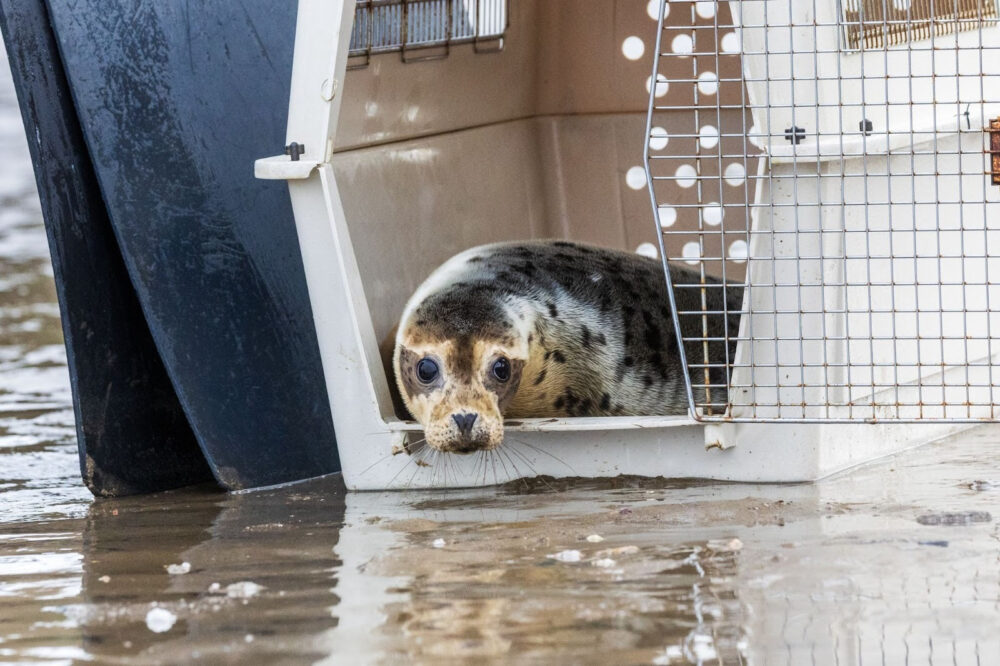
Elvis – who was rescued back in September from rocks at Porthcawl seafront – has finally left the building after spending the last few months at RSPCA West Hatch Wildlife Centre.
On Monday (2 February) Elvis was released back into the wild alongside five other seals – named after singers and bands – Sleep Token, Wurzel, Arctic Monkey, Benson Boone, Fleetwood Mac – who have all completed a stint of rehabilitation with the RSPCA.
Affectionately named Elvis after the popular Elvis festival held in Porthcawl every September, the seal pup had been rescued by British Divers Marine Life Rescue with support from the local RNLI team. She was injured and malnourished and had also been separated from her mother.
She was taken into the care of the RSPCA and taken to RSPCA West Hatch where the charity’s wildlife rehabilitation team help the seals build up the strength they need to be fit enough to be released.
The seals are initially brought to the centre’s intensive care pens before they are moved into a pool when they gain weight and begin self-feeding.
Each seal pup rehabilitated by the RSPCA West Hatch can remain in care for a number of months and during this time the centre will be spending on average £1,400 a week on fish and veterinary care during seal season – which typically runs from September to March.
Before release, the seals are given identification tags in their hind flippers for ID purposes. The RSPCA often receives good feedback from sightings – and scientific results have revealed that seals that go on from rehabilitation to survive and thrive in the wild.
This group of seals were released from Devon which for a seal is just a short journey from where Elvis was rescued from.
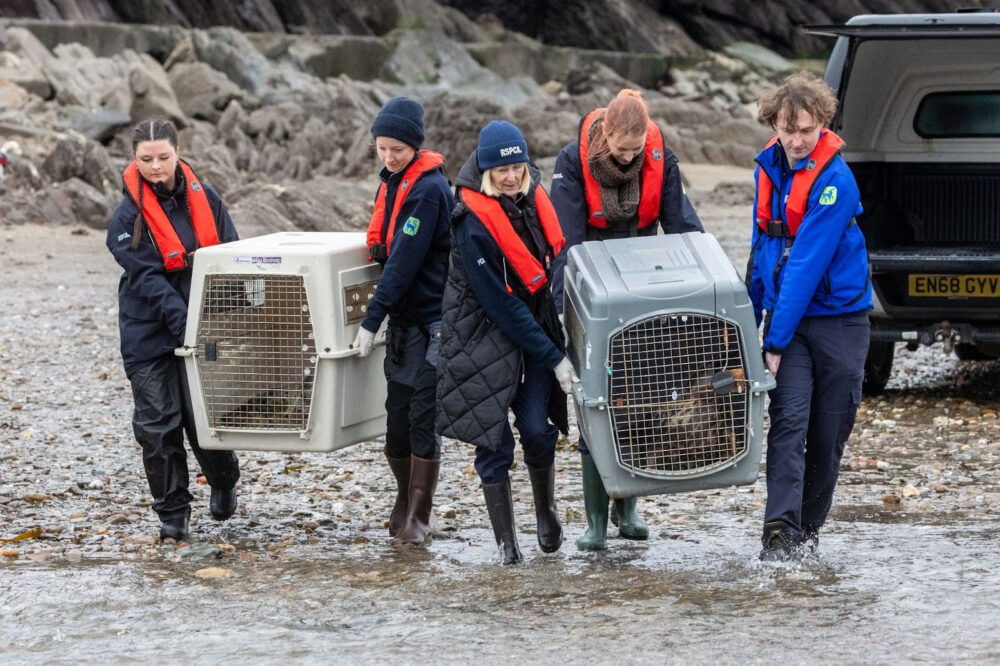
Wildlife Supervisor Ryan Walker said: “It was such a wonderful moment to witness Elvis along with the other seals confidently swim out into the sea.
“Elvis progressed through rehabilitation very well. Upon her admission on 16 September, she weighed 13.6kg and completed a five-day course of antibiotics to treat wounds on her fore flippers and chin, which have since healed.
“She has spent a lot of time in one of our deeper outside pools with another seal named Dido and once she gained enough weight she was fit for release. Unfortunately we had a few storms and bad weather we had to wait to pass – but we’re delighted she is now where she belongs – along with the other seals too!
“As always their success story is down to a real team effort from the initial rescuers to all the vets, staff and volunteers at West Hatch and to the public.”
The other seals who were released alongside Elvis were: Benson Boone, who was rescued from Pembrokeshire. He came into RSPCA care very lethargic and skinny; Sleep Token, who came into RSPCA care after being rescued from Cornwall. He was underweight and had various wounds; Arctic Monkey, who was one of the first seals of the season and was rescued from Devon; Wurzel, who was rescued from Cornwall, and came in underweight and covered in wounds; and Fleetwood Mac, who was rescued from Devon, was also underweight and had wounds.
Their progress and release was captured by RSPCA photographer Emma Jacobs.
She said: “I have been following Elvis’s progress and rehabilitation, so it was absolutely wonderful to witness her release into the wild.
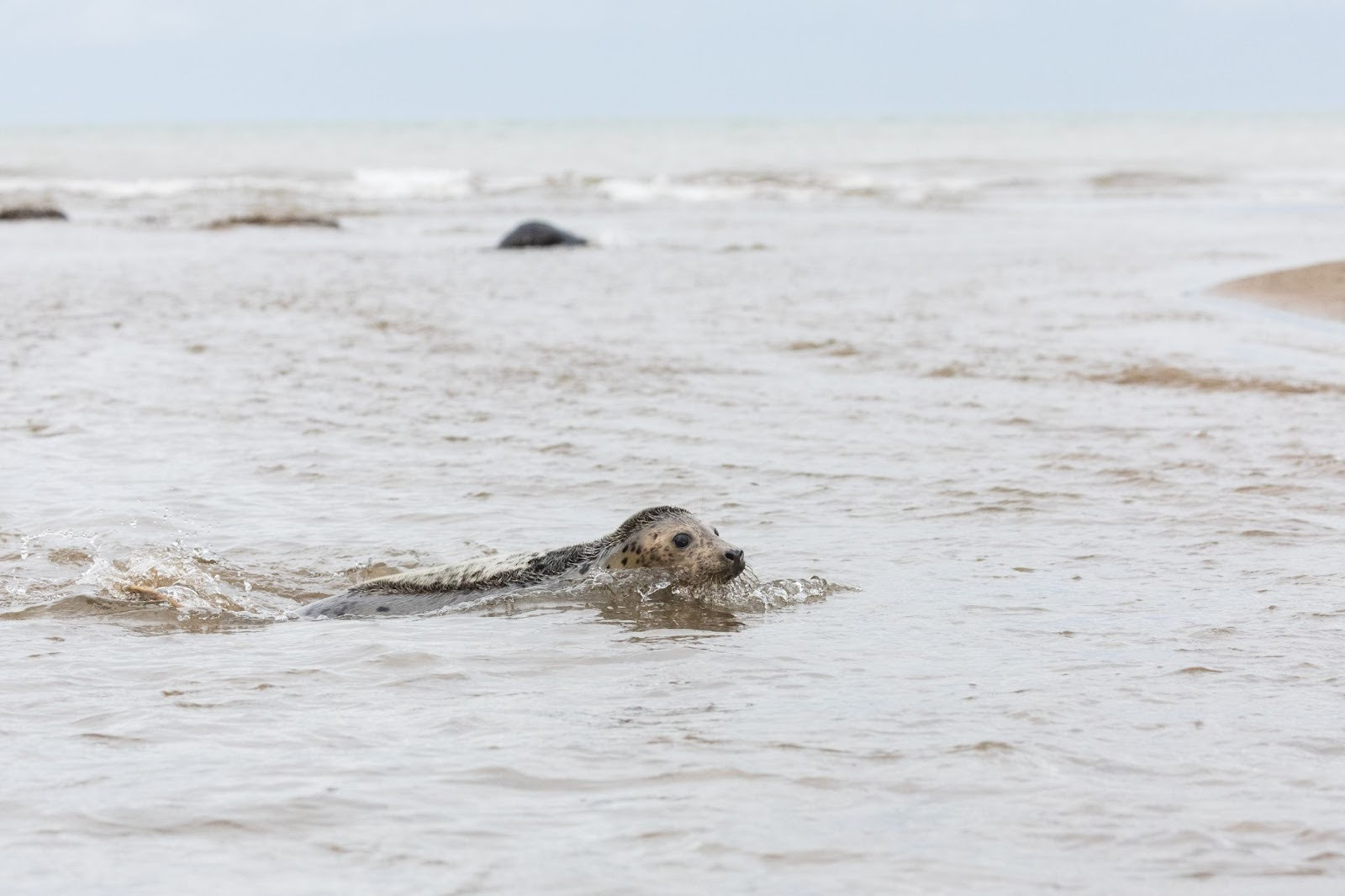
“Our precious wildlife desperately needs our help and support. It’s been amazing to follow this group of seals as they gained strength ready for release.
“So many species of native wildlife are sadly threatened, and many have seen reductions in numbers, so it’s important for all of us to do everything we can to support wildlife to make sure every kind thrives in its natural environment.”
The RSPCA works in partnership with a number of other organisations to come to the aid of seals.
RSPCA Animal Rescue Officer Ellie West added: “We’d like to thank the RNLI and the British Divers Marine Life Rescue for bringing Elvis to safety. Partnership working is so important in helping us to reach seals and we work closely with many organisations.”
The animal welfare charity advises that if members of the public spot a seal on a beach that they observe them from a distance and do not approach them. Seals are wild animals and have a nasty bite if they feel threatened.
It is also advised people keep dogs on leads on beaches that have seal colonies too.
“It’s not unusual to see a seal pup by itself, as their mothers will leave the pups alone very early on in life, feeding in the sea then returning to feed them.” said Ellie. “If you find a seal pup that looks fit and healthy and shows no signs of distress, monitor it first from a safe distance for 24 hours.
“However, if the mother doesn’t return after 24 hours or the pup appears distressed, injured or unwell, or is on a busy public beach, our emergency line can be reached on 0300 1234 999. Please always stay at a safe distance and keep dogs well away – seals can have a very nasty bite if threatened.”
There is more information on the RSPCA website about what to do if you see a seal or pup on the beach alone.
Support our Nation today
For the price of a cup of coffee a month you can help us create an independent, not-for-profit, national news service for the people of Wales, by the people of Wales.


