


Bangor scientist leads global study into hidden underwater heatwaves
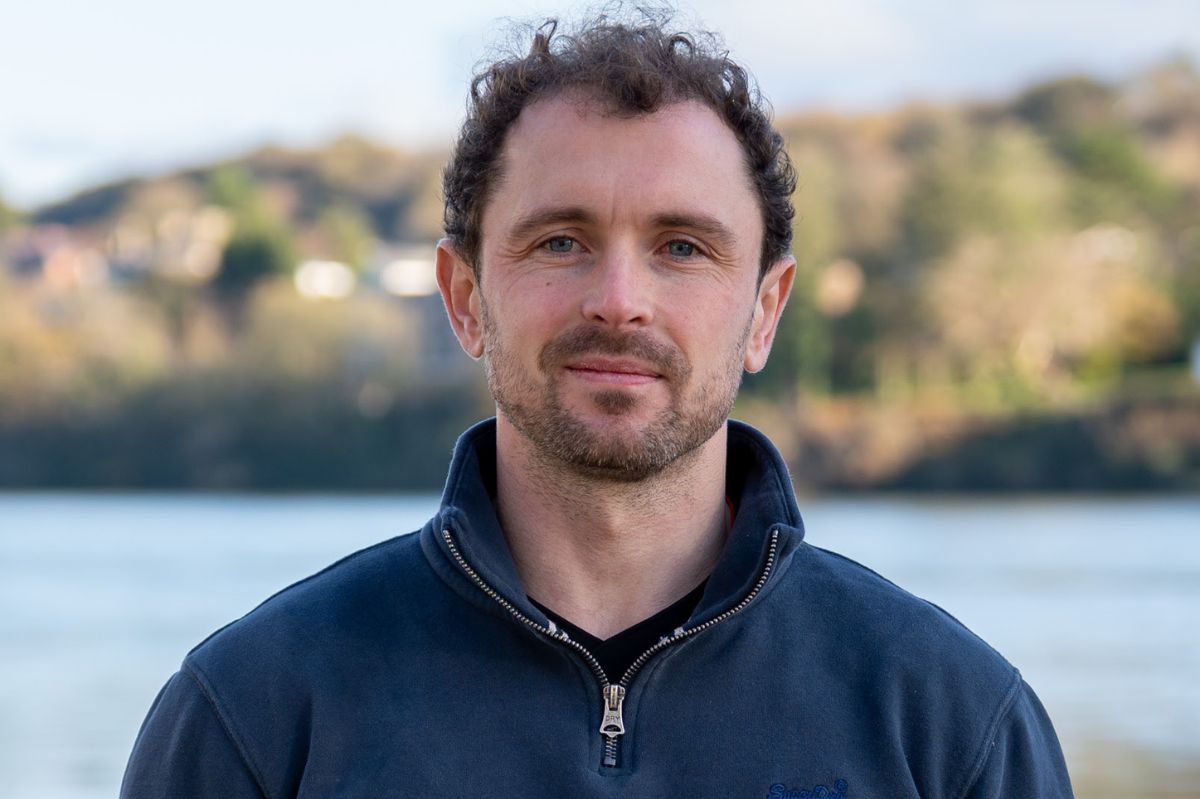
A Bangor University researcher has led the first global study of underwater heatwaves in lake beds, revealing a hidden impact of climate change.
The study, published in Nature Geoscience, found that extreme heat events are penetrating lake beds worldwide, threatening freshwater ecosystems and accelerating greenhouse gas emissions.
These ‘sediment heatwaves’ are set to become far more frequent and severe as the planet warms.
Biologically active environments, lake sediments are home to microbes, insects, and other invertebrates which play a key role in regulating water quality and controlling the release of greenhouse gases.
Until now, the temperature of lake beds has been almost impossible to study at scale satellites cannot see through water, and underwater thermometers are scarce.
The researchers, led by Iestyn Woolway of Bangor University, used computer models to simulate sediment temperatures in over 41,000 lakes, from tropical regions to the Arctic, across both historical records and future climate projections.
Even today, heatwaves in deep lake sediments tend to last longer than those at the water’s surface – around 12 days on average – and they often arrive nearly three weeks after a surface heatwave, sometimes occurring when the surface temperature appears completely normal. The heat, in other words, gets trapped and lingers.
Under a high-emissions future, things get considerably worse. Deep sediment heatwaves could last nearly 100 days longer per event by the end of this century, with almost 150 more heatwave days per year.
Events currently classed as severe or extreme make up less than 1% of all occurrences; by 2071–2100, they could account for more than a quarter. In tropical lakes especially, sediment heatwaves could eventually become a year-round condition.
The knock-on effects for freshwater ecosystems and the climate could be serious as, when sediments overheat, the microbes within them produce more methane, a greenhouse gas.
The study projects that methane production in nearshore sediments could more than double under severe warming, outpacing earlier estimates.
At the same time, increased microbial activity strips oxygen from the water, threatening fish and other wildlife. Phosphorus and nitrogen can also leach from hot sediments into the water column, triggering the toxic algal blooms that increasingly blight lakes and reservoirs worldwide.
Dr Iestyn Woolway said: What happens in lake sediments is often hidden from view, but these underwater heatwaves can fundamentally alter how lakes function, affecting water quality, biodiversity, and greenhouse gas emissions.
“Our study shows that climate change is not only warming lake surfaces — it is penetrating all the way to the lake bed, with potentially far-reaching consequences for freshwater ecosystems worldwide.”
The researchers are calling for better underwater temperature monitoring, the protection of naturally cold lake-bed habitats, and cuts to nutrient pollution, which compounds the damage done by heat.
The research is available to read in full here.
Dr Iestyn Woolway is a NERC Independent Research Fellow at the School of Ocean Sciences at Bangor University.
He was recently recognised as a finalist in the prestigious Blavatnik Awards for Young Scientists, in collaboration with researchers from Pacific Northwest National Laboratory and the University of Helsinki.
Support our Nation today
For the price of a cup of coffee a month you can help us create an independent, not-for-profit, national news service for the people of Wales, by the people of Wales.
Get more trusted Welsh news
Choose Nation.Cymru as a preferred source in Google News to see more of our journalism.


