

BBC cuts risk public service mission and universal access according to journalists’ union
Stephen Price
The BBC’s “relentless campaign of cuts and increasing adoption of digital-only services” put at risk the broadcaster’s mission to provide universal, high-quality output that informs, educates, and entertains, the National Union of Journalists (NUJ) has said.
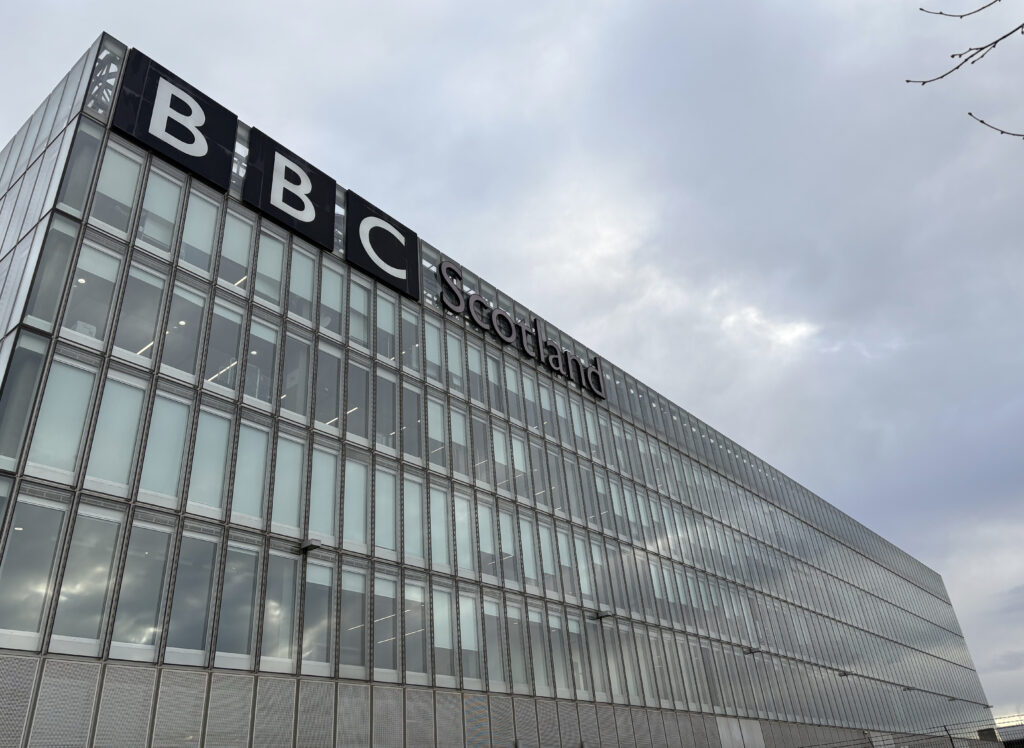
On 20 October, the BBC announced plans to close its BBC Three and BBC Scotland television channels in the spring, making them online-only with some programmes available on iPlayer.
This would not include BBC Scotland’s News at Seven programme, which will be axed when the linear channel ceases. Radio 4 Extra is also set to be closed.
The latest proposals also include moving some jobs away from the UK, at a time when the BBC is emphasising its contribution to the UK economy as part of the Charter Renewal process.
The BBC’s decision to move certain programming and services to solely online and on iPlayer also undermines the BBC’s foundational commitment to universal and equal access to services. According to estimates, nearly four million UK households rely on terrestrial TV, including many older adults and those in rural areas with subpar broadband infrastructure.
The BBC has announced multiple cuts since April, when management published plans to slash 2,000 jobs as part of a 10% reduction to its total costs by the end of 2028-29. Earlier this month, the NUJ said it was “alarmed” by a raft of planned cuts across BBC Radio 4, which include axing the popular specialist consumer programme You and Yours and making significant reductions in various departments. In recent months, the BBC also announced the closure of numerous TV and radio programmes, including on BBC One and the World Service.
Ultimately, the situation the BBC faces is the result of decades of chronic underfunding with sustained real terms cuts to the licence fee.
Senior management at the BBC have indicated that further cuts are on the way. The NUJ has warned that these reductions cannot continue and will lead the BBC towards a “doom spiral” of cuts and diminishing services.
The decision to axe BBC Scotland’s News at Seven programme is particularly concerning. A well-functioning democracy relies on having a strong and diverse media, ensuring that communities have access to a wide range of trusted news and information. The latest BBC proposals undermine these principles. They also follow the axing of STV’s North edition of the News at 6 – something the NUJ strongly lobbied against at the time.
There are also reports that BBC Northern Ireland will cut its Irish language staff and outsource some of its production. The NUJ is deeply concerned this will have a detrimental impact on Irish language programming and urges a rethink.
Laura Davison, NUJ general secretary, said: “The decision to cut services in the areas and ways announced by the BBC are in and of themselves very concerning for anyone who cares about the vital role of journalism and the public’s right to know.
“Moving services from terrestrial TV to just online and BBC iPlayer will increase the digital divide that exists, undermining the BBC’s commitment to universality. As MPs have noted, the decision to cut BBC Scotland’s News at Seven programme is alarming, will weaken democracy, and diminish Scottish broadcasting even further. Workers, audiences, and communities will suffer as a result.
“These latest cuts are part of a wider picture. The BBC has been announcing cuts to programming and jobs in dribs and drabs for months. The timing of these decisions makes no sense given that Charter Renewal is already underway. BBC leadership should be working to secure sustainable funding from the UK government for a brighter future, rather than pursuing these incredibly damaging cuts.
“Any funding arrangement that stems from Charter Renewal won’t come soon enough to stave off these cuts. It is essential that the government protects public service broadcasting. That’s why we have been jointly leading calls for the UK government to provide urgent intervention, having written to the UK Chancellor in recent weeks to call for this to be included in the upcoming Budget.
“Previous rounds of cuts have resulted in unmanageable workloads, low morale, loss of staff, and fewer opportunities for freelances or career progression. The piecemeal nature of these announcements continues to damage staff morale and cause anxiety for our members.
“More broadly, these cuts and decisions to remove services from terrestrial television will harm the BBC in the short- and longer-term. Without skilled and experienced staff, the BBC cannot do its job to inform, educate, and entertain. Without access to the quality and relatable programmes that audiences have benefitted from for years – people will stop tuning in. Instead of drip-feeding cuts, we urge BBC management to support calls for investment to secure the broadcaster’s future. It is incumbent on the government to intervene in the Autumn budget and back the BBC.”
Nick McGowan-Lowe, NUJ Scotland national organiser, said: “These proposals and especially the proposed axing of the News at Seven will come as a shock to the four out of five adults in Scotland who depend upon the BBC for news and entertainment every week, especially older people who make up a significant amount of the audience and will be less likely to switch to iPlayer. The NUJ will be urging BBC management to find alternative places to make savings other than in the newsroom, and we have already lobbied the UK Chancellor asking for urgent intervention to provide proper funding and prevent further damaging cuts to public service broadcasting in Scotland.”
Séamus Dooley, NUJ assistant general secretary, said: “Threatened cuts to Irish language services come at a time when there is a growing appreciation of the value of Irish and a respect for cultural diversity. This was reflective in the cross-community support for the recent All Ireland Fleadh Cheoil in Belfast.
“Respect for minority languages is a cornerstone of public service broadcasting and, in the context of Northern Ireland, the diminution in this service is of particular concern.”
Support our Nation today
For the price of a cup of coffee a month you can help us create an independent, not-for-profit, national news service for the people of Wales, by the people of Wales.
Get more trusted Welsh news
Choose Nation.Cymru as a preferred source in Google News to see more of our journalism.


