


Bluetongue control zone declared after confirmation of virus circulating on farm
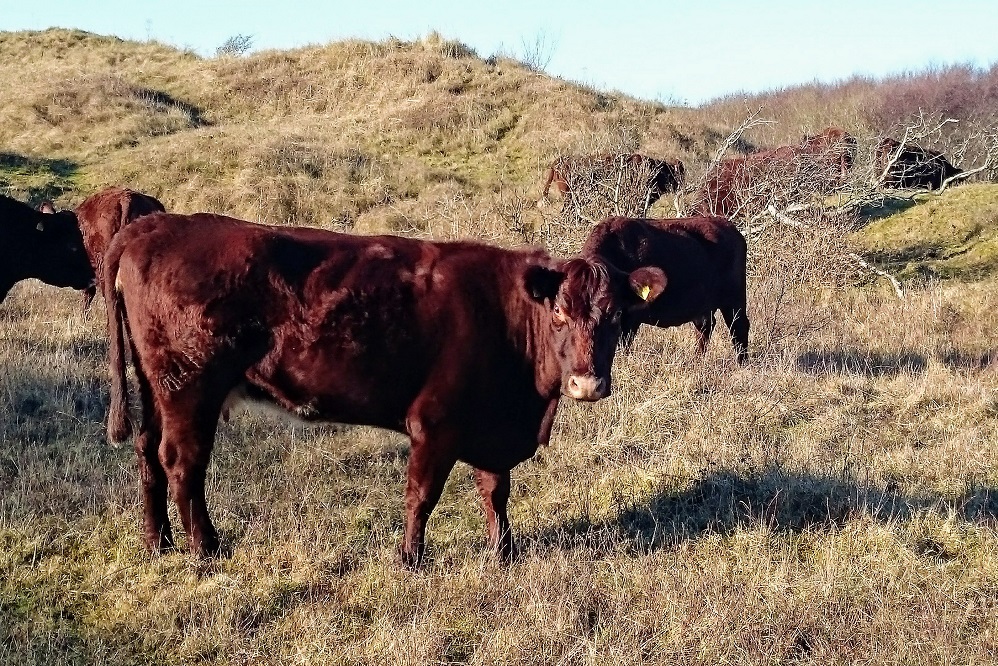
A temporary control zone is being introduced in Monmouthshire after the Chief Veterinary Officer (CVO) for Wales confirmed active transmission of Bluetongue serotype 3 (BTV-3) on a farm near Chepstow.
The announcement follows the discovery of a single infected cow, which tested positive on Friday 26 September after a veterinary surgeon reported clinical signs to the Animal Plant Health Agency (APHA).
Subsequent investigations by APHA and the Pirbright Institute confirmed that the virus is circulating on the premises.
From Wednesday 1 October, a Bluetongue Temporary Control Zone (TCZ) will be established around the affected farm. The measure is designed to restrict livestock movements and allow enhanced surveillance to limit the spread of the disease. The farm remains under restrictions.
Biting midges
Bluetongue is a notifiable disease caused by a virus mainly transmitted by biting midges. It affects ruminants such as cattle, sheep, goats and deer, as well as camelids including alpacas and llamas.
The disease does not pose a risk to humans or to food safety, but can cause significant economic and welfare impacts for farmers.
Chief Veterinary Officer for Wales, Richard Irvine, said: “We have put in place this temporary control zone to help prevent the spread of Bluetongue in Wales. This is because we have clear evidence of active midge-borne transmission of BTV-3 infection following further investigations at the affected farm near Chepstow.
“I urge animal keepers to continue to be vigilant for the signs of the disease, source stock responsibly and report any suspect cases to APHA immediately. Vaccination is the best way to protect livestock and livelihoods from the worst impacts of this potentially devastating disease. If you’re an animal keeper, I would urge you to discuss Bluetongue vaccination with your vet now.”
Powys
Two further cases of BTV-3 were confirmed on Tuesday 30 September in Powys, with single cattle testing positive on farms near Llangammarch Wells and Gladestry. Both animals will be culled under disease control rules.
Deputy First Minister and Cabinet Secretary for Rural Affairs, Huw Irranca-Davies, said:
“Welsh Government and industry have cooperated throughout this year to keep Bluetongue out of Wales for as long as possible. Our success to this point has been crucial in buying farmers the time they needed to vaccinate their animals and prepare for Bluetongue.
“We must now continue to work together to protect our livestock sectors from this potentially devastating disease.”
Support our Nation today
For the price of a cup of coffee a month you can help us create an independent, not-for-profit, national news service for the people of Wales, by the people of Wales.


