


Breakthrough for Welsh bacterial sepsis researches could save lives
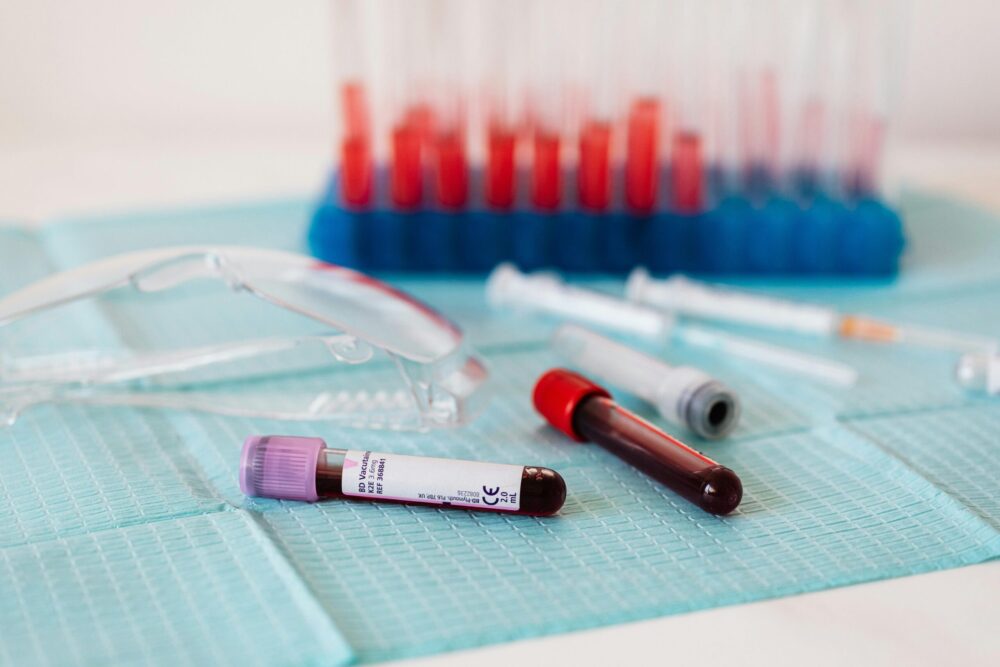
Researchers, funded by the Health and Care Research Wales Faculty, have successfully identified biomarkers that could help diagnose sepsis early, potentially save lives and cut NHS costs.
Bacterial sepsis is a life-threatening condition that occurs when an infection triggers a dangerous immune response, often leading to organ failure. One of the main culprits behind bacterial sepsis is E. coli, which can enter the bloodstream and cause severe illness. Early identification of patients at risk of sepsis is crucial for timely treatment and better outcomes.
In 2018, Wales faced a particularly high rate of E. coli within the Hywel Dda University Health Board area, and Professor Thomas Wilkinson, Professor of Barrier Immunity and Infectious Disease at Swansea University, supervised a Health PhD Studentship Scheme funded by the Health and Care Research Wales Faculty, aimed at understanding why some strains of E. coli were more likely to cause severe infections than others.
Poisoning
The study, conducted in collaboration with the University and Glangwili General Hospital, Carmarthen, aimed to find biomarkers that could predict which E. coli strains might lead to blood poisoning.
The study team collected 170 E. coli samples from Hywel Dda patients. These samples were linked to patient data, including the source of infection and whether sepsis had developed.
By analysing the bacteria’s genetic makeup and their ability to cause an immune response, the team identified specific genes that helped some E. coli strains survive in human blood and avoid being destroyed by the immune system.
Immune responses
They found that E. coli from the abdomen expressed different adhesins — proteins found on the surface of bacteria that enable them to attach to specific surfaces — compared to those from the urinary tract.
The team also discovered that immune responses to the bacteria varied depending on how well the bacteria could survive in the bloodstream. This information could help doctors predict the severity of the infection and choose the best treatment.
Professor Wilkinson said: “The research identified key genetic markers that could eventually lead to tests for early sepsis diagnosis, which does not have to cost the NHS money if combined with established technologies. These breakthroughs have the potential to improve patient outcomes and reduce the costs of delayed diagnosis, helping to prevent unnecessary deaths and hospitalisations.”
Support our Nation today
For the price of a cup of coffee a month you can help us create an independent, not-for-profit, national news service for the people of Wales, by the people of Wales.


