


Breeding bombshell: Frenchies looking for homes soar due to hidden costs
Nation Cymru staff
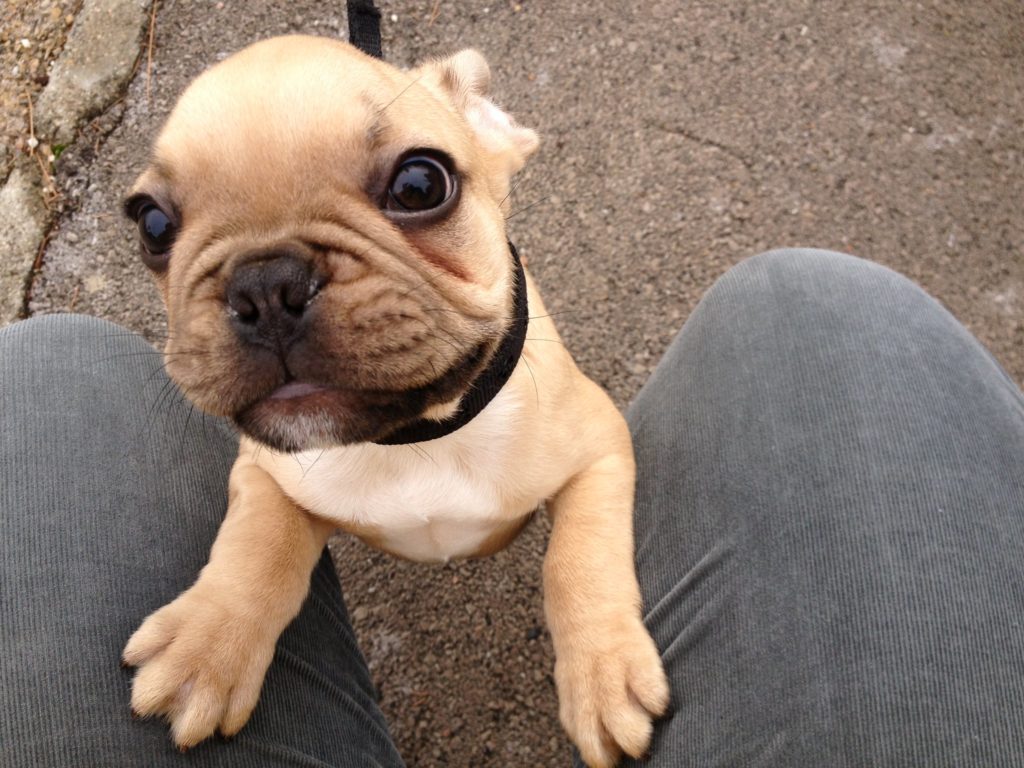
The RSPCA has seen a 3,800% increase in French bulldogs coming into its care in the last ten years, and the animal welfare charity believes their extreme features are hitting owners with crippling vet bills.
Frenchies remain one of the UK’s most popular pedigree breeds – but features which many fans consider ‘cute’, like their snuffly snorts and squashed faces, are actually causing them to suffer.
Traits seen in brachycephalic (flat-faced) dogs – like bulging eyes, wrinkled skin and ‘cork screw’ tails – are linked to breathing difficulties, eye disease, skin infections and shortened lifespans.
And when owners can no longer cope with the rising costs associated with treating the health issues these extreme features create, such as expensive, invasive surgery to help them breathe, the dogs sadly find themselves in rehoming centres – and charities are left to pick up the pieces.
It comes as the RSPCA’s Animal Kindness Index reveals that vet bills are already a major concern for many pet owners.
In a bid to tackle this pet welfare crisis, the RSPCA has launched a new report – The Shape of Suffering – setting out what we can do to end breeding for extreme traits, not just for French bulldogs, but for other dog breeds like dachshunds, Cavalier King Charles spaniels and Chihuahuas, and different animals like cats, rabbits and even snakes and fish who suffer too.
The report aims to shine a light on this growing animal welfare problem and calls on owners, breeders and those with the power to create change to do their bit to take meaningful steps towards ending it.
RSPCA Scientific and Policy Manager, Ashleigh Brown, lead author of the report, said: “This is one of the biggest welfare problems pets face today, and it’s impacting far more animals than people realise.
“And while some people have heard about the problems brachycephalic cats and dogs face – far less know that rabbits, fish, snakes and other animals are also suffering health and welfare problems too, because they’ve been bred to have exaggerated or unnatural features that people think look appealing, unusual or eye-catching.
“The disturbing truth is, these pets are essentially being bred to suffer because people, and society, want them to look a certain way – there is no other reason to breed these traits into them other than desire for a particular aesthetic. But animals are not accessories, and no animal should suffer just to look fashionable or meet the latest trend.
In 2016, the RSPCA took in just six French bulldogs or Frenchie crosses, compared to 234 in 2025 – a staggering increase of 3,800%.
The financial toll is a big driver in the reason these animals are coming into rescue centres in increasing numbers – because owners simply cannot cope with the rising costs. The RSPCA’s Animal Kindness Index shows that more than half (56%) of pet owners are worried about being able to afford vet bills, while one in 10 admitted to reducing their spend on vet care due to financial pressures and almost a quarter (24%) are skipping their animal’s annual check-up.

It’s not just Frenchies that are a growing problem – the RSPCA has seen record numbers of other breeds with extreme conformations coming into their national centres:
- The number of British bulldogs and crosses has almost doubled, from 21 in 2015 to 38 in 2025
- The number of English/old tyme bulldogs and crosses is up 1,450%, from two in 2016 to 31 in 2025
- The number of pugs and pug crosses has increased 192%, from 25 in 2016 to 73 in 2025
- The number of chow chows – who can struggle with hip and elbow dysplasia and entropion (where the eyelid rolls in) – has gone up from three in 2016 to 20 in 2025
Ashleigh added: “The ongoing popularity of dogs with exaggerated, harmful traits is a major concern for the RSPCA, which is why we’re encouraging people to look beyond appearance and prioritise good welfare when choosing a pet.
“Too often, loving owners take on these dogs with the best intentions, but don’t realise what caring for one of these breeds can involve until they’re dealing with repeated vet visits, expensive treatment and seeing their pet struggle on a daily basis. Breathing difficulties, skin infections, spinal problems and other conditions can mean lifelong treatment – and often this isn’t curative; even post-treatment or surgery, pets continue to suffer a reduced quality of life.
“The costs can quickly run into thousands of pounds, but it’s not just about the money. It’s heartbreaking to watch a beloved pet struggle and to have to make difficult decisions about their treatment or end of life.
“People often think these problems won’t affect their pet – but they will. People want to believe their pets are happy and healthy, or that those abnormal breathing noises and facial skin folds are acceptable because they’re ‘normal for the breed’. But they’re symptoms of a problem – and if we keep breeding for these extreme features, animals will keep paying the price.
Brachycephaly isn’t the only issue faced by pets bred for extreme features – bulging eyes, skin folds and absent tails are found in popular dog breeds like pugs, English bulldogs, shih tzu and Boston terriers. And shortened legs and associated spinal and limb problems are common in dachshunds, basset hounds and clumber spaniels.
It’s not just dogs. Persian cats, Scottish folds, rabbits, reptiles and even fish can all suffer serious health problems linked to exaggerated physical traits bred for appearance rather than welfare.
Ashleigh added: “Some of these animals come into our care with health problems so significant, there is no way they can ever have an acceptable quality of life.
“We will always try our hardest to give every animal the best outcome, and to find them a new home where appropriate – but sadly some dogs are suffering on a daily basis to such an extent that, even with surgery, they wouldn’t have a life worth living – and the kindest option is then to put them to sleep. It’s so tragic.
“Some people think that surgery is a quick fix for problems created by extreme features – sadly that is not the case.”
Bruno, a chow chow who came into RSPCA care in 2024, was treated at Finsbury Park Animal Hospital and underwent invasive surgeries – including eyelid lifts, surgery on his soft palate and removal of excess skin from his face. Sadly, despite these efforts to help him live a healthier life, he was still suffering and had to be put to sleep in February last year on welfare grounds.
Ashleigh added: “We don’t want to target or single-out any dog breed – but we absolutely need to see healthier versions of breeds to deal with suffering and ensure they have moderate features that enable them to live a comfortable, healthy life and perform natural behaviours.
“Animals bred with these extreme traits are very likely to struggle to enjoy a reasonable quality of life – and that just isn’t right. They are left unable to breathe, eat, run, play, sleep and wag tails; that’s not a life worth living.
“Anyone looking to add a pet to their family should do their homework, and avoid breeds with exaggerated features unless they are rescues – because there will be a negative impact on their pet’s wellbeing, as well as additional care needs and costs.
“If you have your heart set on one of these breeds, we urge you to adopt not shop – taking on an unwanted pet rather than fuelling problematic commercial breeding. We have many breeds and types of pets in our rescue centres, so please consider giving one of our rescue animals another chance at a happier life.
“We provide our pet adopters with tailored guidance and ongoing support to ensure the best possible quality of life for these breeds with additional health and care needs, and there are things you can do to give them a better life – like maintaining a healthy weight, ensuring they stay cool in hot weather, keeping eyes and skin folds clean and seeking veterinary advice immediately if your pet shows any signs of discomfort or behavioural changes.”
Dog breeders, as well as current and prospective dog owners, can use the Innate Health Assessment (IHA) tool, launched by All-Party Group for Animal Welfare in November last year, which is free to access online, to visually check the extent to which their dog displays exaggerated physical characteristics that cause harm to them or their future offspring.
The IHA provides a visual checklist of 10 key conformational criteria that are often intentionally exaggerated in certain breeds for purely aesthetic reasons through selective breeding, but can cause a lifetime of suffering for affected dogs. The aim is to end breeding for the extreme features that are often seen in popular “designer” dogs.
Members of the public can read the RSPCA’s The Shape of Suffering report here. For more information on extreme conformation in pets, please visit the RSPCA website. The RSPCA has launched a Pet Cost Calculator to help people understand the potential costs involved in pet ownership.
Every summer, animal cruelty peaks. Right now, it’s at its highest level in five years.
Together, the RSPCA hope to turn this season of cruelty into one of love, kindness and rescue for animals that need it the most and you can help by supporting their Cruelty Hurts, Love Rescues campaign.
Help the RSPCA by adopting not shopping for your next animal companion by using their Find a Pet Service.
Support our Nation today
For the price of a cup of coffee a month you can help us create an independent, not-for-profit, national news service for the people of Wales, by the people of Wales.
Get more trusted Welsh news
Choose Nation.Cymru as a preferred source in Google News to see more of our journalism.


