


Burnham defends stockpiling advice as ‘unexpected events’ become more common
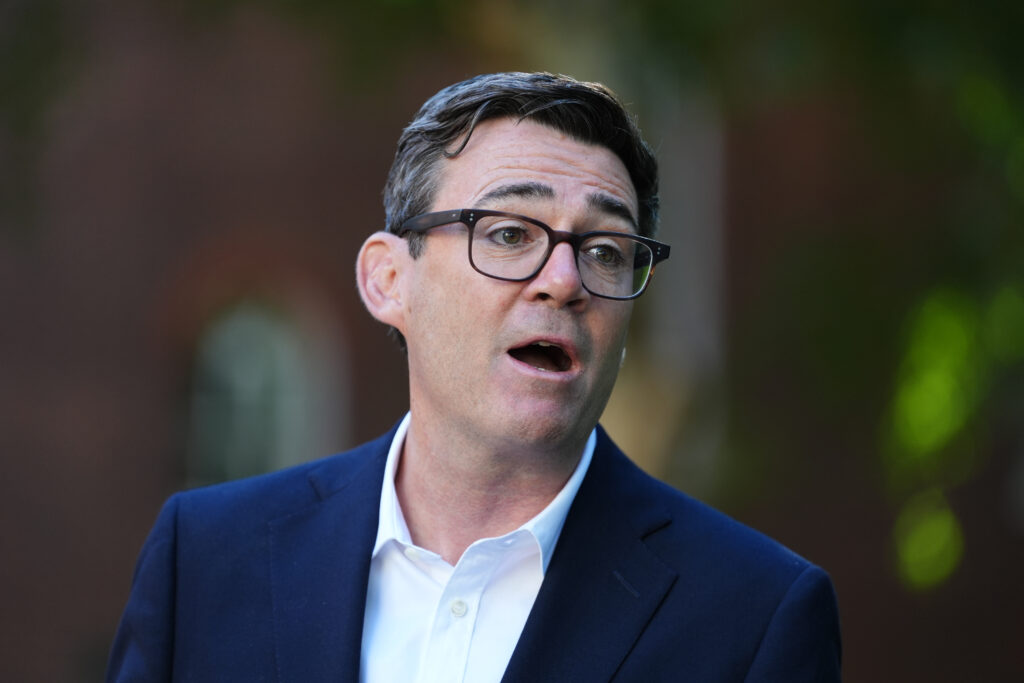
David Hughes and George Lithgow, Press Association
People need to be better prepared for dealing with emergencies, Andy Burnham said, as he defended Government advice to stockpile food, water and other essentials.
As the UK was battered by storms and in the wake of online disruption caused by a security flaw, the Prime Minister said “unexpected events seem to be becoming more and more common”.
He suggested that as well as the emergency supplies listed, people should be allowed “a glass or two” of wine to get them through a difficult situation.
Housing Secretary Angela Rayner has previously joked that her emergency survival kit would include a bottle of Sauvignon Blanc wine.
Mr Burnham said: “I’m not sure that that’s the top of the list in terms of the advice that we’re giving to the public.
“You need to have a clear head when it comes to a challenging situation. So some tins of food, some bottled water, I think maybe.
“But I’m sure people are allowed a glass or two as well to get them through a difficult situation.”
The Government has drawn up recommendations for households to have three days’ worth of bottled water and tinned food to deal with a crisis such as a war, an online attack or natural disaster.
Mr Burnham denied that people were being asked to step up because the Government had failed in its responsibilities, telling reporters in Liverpool: “No, we’re having the conversation with people about being better prepared because we’re living in a world where unexpected events seem to be becoming more and more common.
“Obviously, weather events, and we’re in a situation today where the UK is facing storms and obviously, we feel for the people without power in Cornwall right now.
“It is just having those supplies in the house to get you through those moments. So we are having that conversation about resilience.”
He was speaking after holding a summit on how to respond to wildfires following the summer heatwaves.
Meanwhile, Treasury minister James Murray said he has not followed the Government’s guidance on stockpiling supplies to prepare for a crisis.
The paymaster general told BBC Breakfast that he had a stockpile of coffee, adding: “If you look at, say, Ireland or other countries in Europe like France and Netherlands, they’ve had this system for quite a long time, the idea of having a bit of stuff at home to protect yourselves in case something goes wrong.
“So it’s quite normal in other countries. I think it’s a bit more interesting here because we haven’t really talked about it as a country in recent years.”
Asked what he had stockpiled, he said: “I’ve got quite a lot of coffee in my house… it’s for individual people to take choices. I’m not going to say: ‘Here’s a Government shopping list.’”
He added: “I’m not going to pretend I’ve followed all that advice myself yet.”
A checklist drawn up by the Government recommends having nine litres of water per person – enough for three days – along with non-perishable food such as tinned meat and vegetables or dried fruit.
The list also suggests hand sanitiser, wet wipes and toiletries, food for any pets, supplies for any babies, a battery-powered or wind-up FM radio, a torch, blankets, a charged power bank for devices, cash in case payment systems collapse, a first aid kit and copies of important documents.
Support our Nation today
For the price of a cup of coffee a month you can help us create an independent, not-for-profit, national news service for the people of Wales, by the people of Wales.
Get more trusted Welsh news
Choose Nation.Cymru as a preferred source in Google News to see more of our journalism.


