


Butterfly count reveals worrying results despite good weather
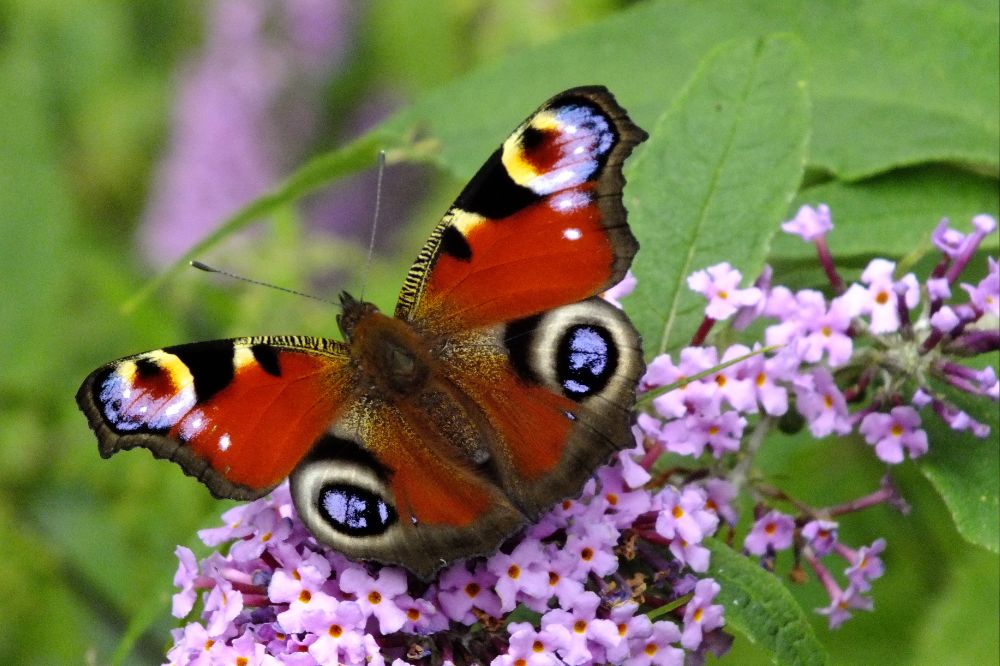
The results of a huge butterfly count have revealed that while the numbers are a vast improvement on 2024’s record lows – urgent measures are still needed to reverse long-term decline.
Butterfly Conservation’s Big Butterfly Count showed that the sunniest spring and hottest summer ever recorded in the UK provided good weather conditions for butterflies.
However, the charity warned that it was definitely not a bumper summer for the UK’s beleaguered butterflies.
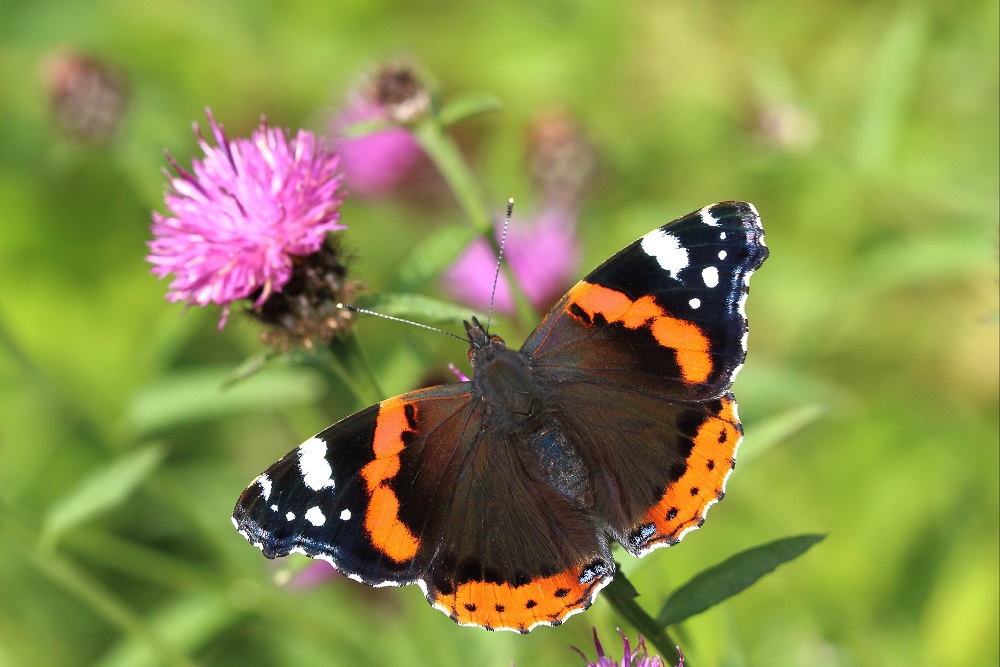
Between July 18 and August 10, over 125,000 citizen scientists got involved in the Big Butterfly Count – more than ever before – and recorded 1.7 million butterflies and moths, with the top five species being Large White, Small White, Gatekeeper, Red Admiral and Meadow Brown.
On average, participants recorded 10.3 butterflies during each 15-minute count.
While a marked improvement on last summer’s record low of just 7, it is only broadly average by modern standards, and has done little to reverse longer-term declines.
In Wales, 7,704 people joined the count compared to 4,586 last year, and counted 109,369 butterflies and moths in the three-week period.
On average people saw 12.2 butterflies per count.
Weather
The most-seen species in Wales were the Large White (24,246), Small White (18,630), Red Admiral (14,978), Gatekeeper (12,202) and Meadow Brown (9,062).
Butterflies need two things to thrive – good weather and a healthy environment.
Dr Richard Fox, Head of Science at Butterfly Conservation, said: “We may feel like we’ve seen lots of butterflies this summer, but that’s only because last year was so awful.
“Last summer’s results were the lowest we’ve seen and a stark warning that many of our common butterfly species are facing significant pressure from challenges linked to habitat loss, climate change and pesticide use.
“Whilst we’ve seen noticeably more butterflies during 2025’s Big Butterfly Count, the figures suggest it’s actually been a pretty average year for them by modern standards.
“The 15-year Big Butterfly Count trends show that more than twice as many widespread species have declined significantly than have increased.
“And, while most species had a better than average summer, one-third of species fared poorly even in the generally beneficial weather.
“There remains a need for us to take urgent action to support our butterfly populations, including by improving the environment in which they live, restoring habitats and reducing pesticide use.
“Until we do these things we are unlikely to see a great recovery in butterfly numbers, regardless of how much the sun shines.”
Winners and losers
Some species did show marked increases this summer. The Large White and Small White both recorded their best ever Big Butterfly Count result.
Meanwhile the Small Tortoiseshell, which had its worst Big Butterfly Count result on record in 2024, showed some improvement but still recorded a below average year and has declined by 60% since 2011.
The Jersey Tiger moth had a record year. The species was recorded more widely and in higher numbers than ever before.
By contrast, Holly Blue had its second worst Big Butterfly Count result on record, Common Blue had its third worst and Meadow Brown had its fourth worst Count result.
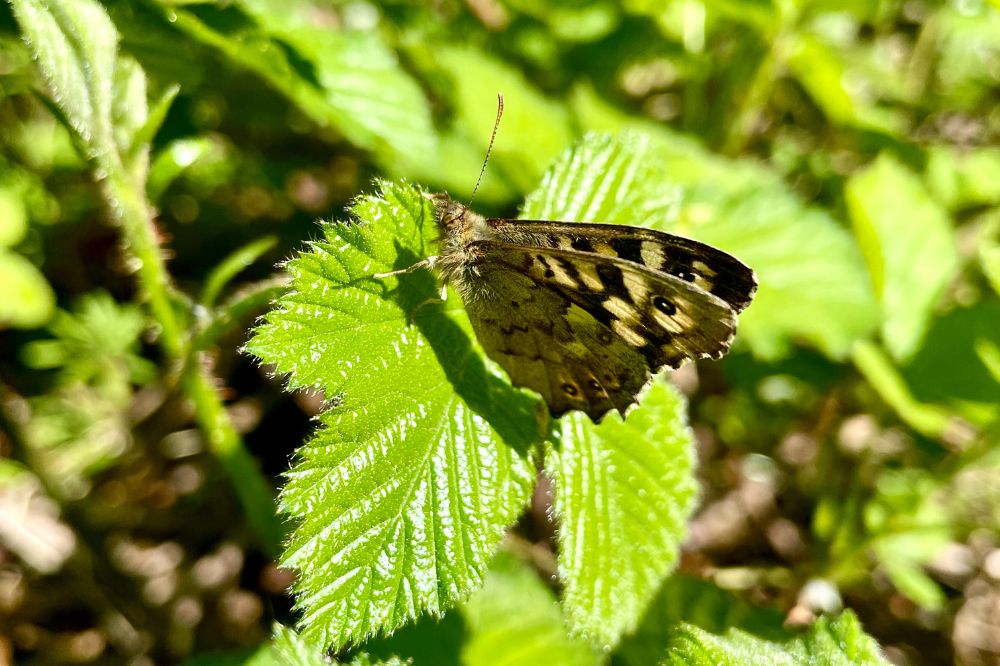
Butterflies are key indicators of the UK’s biodiversity and environmental health.
Tracking their numbers helps Butterfly Conservation understand the impacts of climate change, habitat loss, and conservation action.
The charity said this year’s results are a reminder of how much we still need to do if we want to restore butterfly numbers in the UK.
Dr Richard Fox added: “We’ve reached a critical moment. The time to take action for UK butterflies is now. We know the weather impacts their numbers and with the summer we’ve just had we should be seeing them in far greater numbers.
“Even when the weather is good, the environment is only able to support far fewer butterflies than it used to.
“We must now do more to improve the habitat that our butterflies live in. This is why Butterfly Conservation is calling for an end to the unlicensed use of butterfly-killing synthetic pesticides, and asking retailers to take them off the shelves.
“We are in a nature crisis. We should be providing people with the tools to help and not the means of destruction.”
Mission
Butterfly Conservation has launched a rescue mission for the UK’s butterflies and is asking people to sign its open letter to retailers calling for the removal of toxic synthetic pesticides from sale for domestic use.
You can add your name by visiting www.butterfly-conservation.org
Big Butterfly Count will return in 2026. Next year’s event will take place between July 17 and August 9.
Support our Nation today
For the price of a cup of coffee a month you can help us create an independent, not-for-profit, national news service for the people of Wales, by the people of Wales.


