


Call to cool cities with ‘essential climate infrastructure’ of trees and plants
Emily Beament, Press Association Environment Correspondent
UK cities must be cooled with more trees, grass and plants in the face of growing heatwave danger, the Government has been urged.
The Woodland Trust, the Horticultural Trades Association (HTA) and the Royal Horticultural Society (RHS) are calling for decisive action from ministers and all levels of Government to maximise “green infrastructure” that can help bring down summer temperatures in urban areas.
They argue there needs to be a boost to homegrown production of trees that can support cooling efforts in UK towns and cities, which are facing increasing extreme heat because of human-driven climate change.
The HTA, RHS and Woodland Trust have made their call amid a summer in which the UK has already sweltered in two record-breaking heatwaves, with new all-time high temperatures set for May, of 35.1C, and then again for June, when they reached 37.7C.
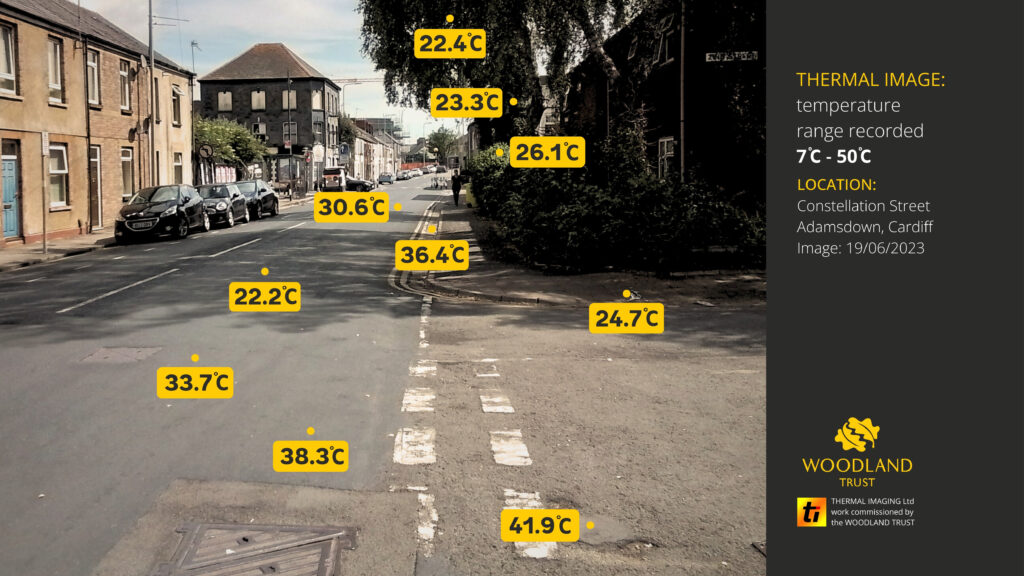
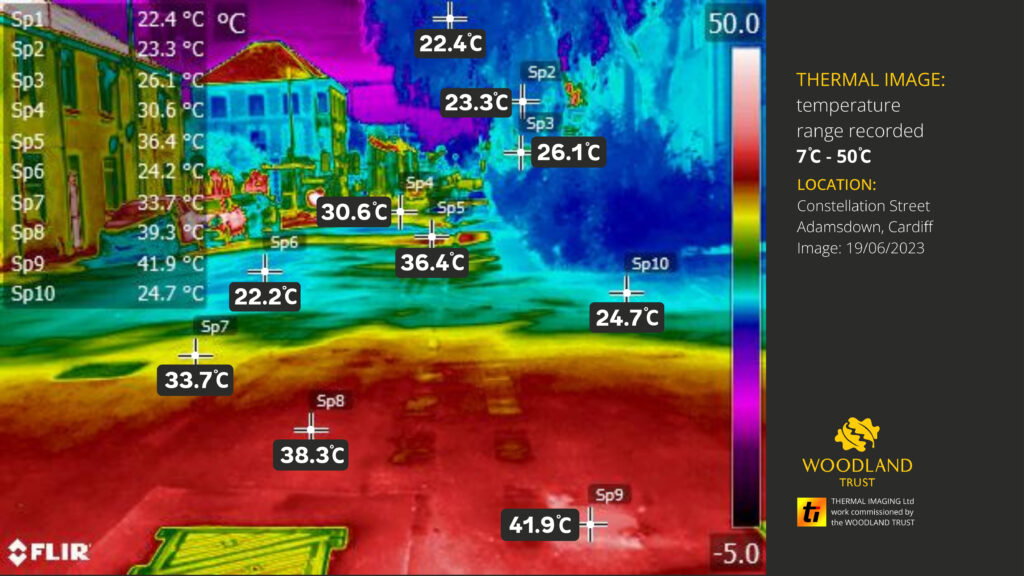
The organisations pointed to a study conducted in Manchester which found that in full sun, concrete surface temperatures reached 40C, while grass in full sun only reached 23C.
Adding tree shade brought down temperatures by 12C on concrete and 9C on grass.
A “strong roots” report by the three organisations published last year suggests efforts to increase tree cover as part of environmental and climate commitments were likely to be held back by barriers to domestic tree production.
Now they are urging the UK Government to maximise green infrastructure and support the domestic tree production sector.
This should include conducting a feasibility study into what proportion of imported trees could be grown in this country, and a dedicated action plan for increased productive and ornamental tree production in England, they said.
Fran Barnes, chief executive of the HTA, said: “Green infrastructure is not a nice-to-have; it is essential climate infrastructure.”
She said plants, gardens and trees could make a “measurable difference” to how hot streets, homes and communities feel, providing shade, cooling the air and reducing the heat absorbed by buildings, roads and pavements in urban areas.
“That matters because hotter summers are already changing how people experience towns and cities.
“If we want places that are safer, healthier and more liveable in extreme heat, we need to plan, grow and plant the trees and green spaces that will protect communities in the decades ahead.
“The UK tree sector is ready to be part of that solution, but Government must give businesses the confidence to invest in the domestic production needed to deliver it.”
Andy Egan, head of conservation policy at the Woodland Trust, said: “Last week’s extreme temperatures show how poorly prepared we are for a rapidly changing climate.
“While some communities sweltered, others were shaded by trees which cooled surface temperatures by more than 10C.”
He warned that millions of people across the UK live in “tree deserts” – without enough tree cover to protect them from heat and other issues such as air pollution, stress and ill health – and called for the Government’s tree action plan to prioritise planting high-quality home-grown trees in these areas.
Professor Alistair Griffiths, RHS director of science and collections, warned extreme heat is no longer a future threat, saying: “It is here now, and our towns and cities are feeling the strain.
“Trees are one of the most effective natural tools we have for cooling urban environments, improving air quality and supporting biodiversity.
“But to realise these benefits at scale, we must urgently grow, establish and provide long-term care for more resilient, home-produced trees,” he said, adding that support for domestic production, establishment and long-term care is an investment in the UK’s long-term health, wellbeing and economic resilience.
Support our Nation today
For the price of a cup of coffee a month you can help us create an independent, not-for-profit, national news service for the people of Wales, by the people of Wales.
Get more trusted Welsh news
Choose Nation.Cymru as a preferred source in Google News to see more of our journalism.



Regardless of climate change being natural or man-made or what proportions thereof, planting trees and greening up urban areas makes a much more pleasant environment both for residents and wildlife. It also enhances property values for those resident. There are issues such as sap fall on motor vehicles and tree root damage to underground utilities but this can be avoided with correct species planting and routine maintenance such as pollarding. Suggest a statutory obligation on local authorities for a ‘green-space’ plan for their urban landscape as exists in other countries. https://www.youtube.com/watch?v=lRTkB34fLeo Example. It’s not all about damaging upland peat bogs with… Read more »