

Campaign launched to save threatened Welsh peatlands
Martin Shipton
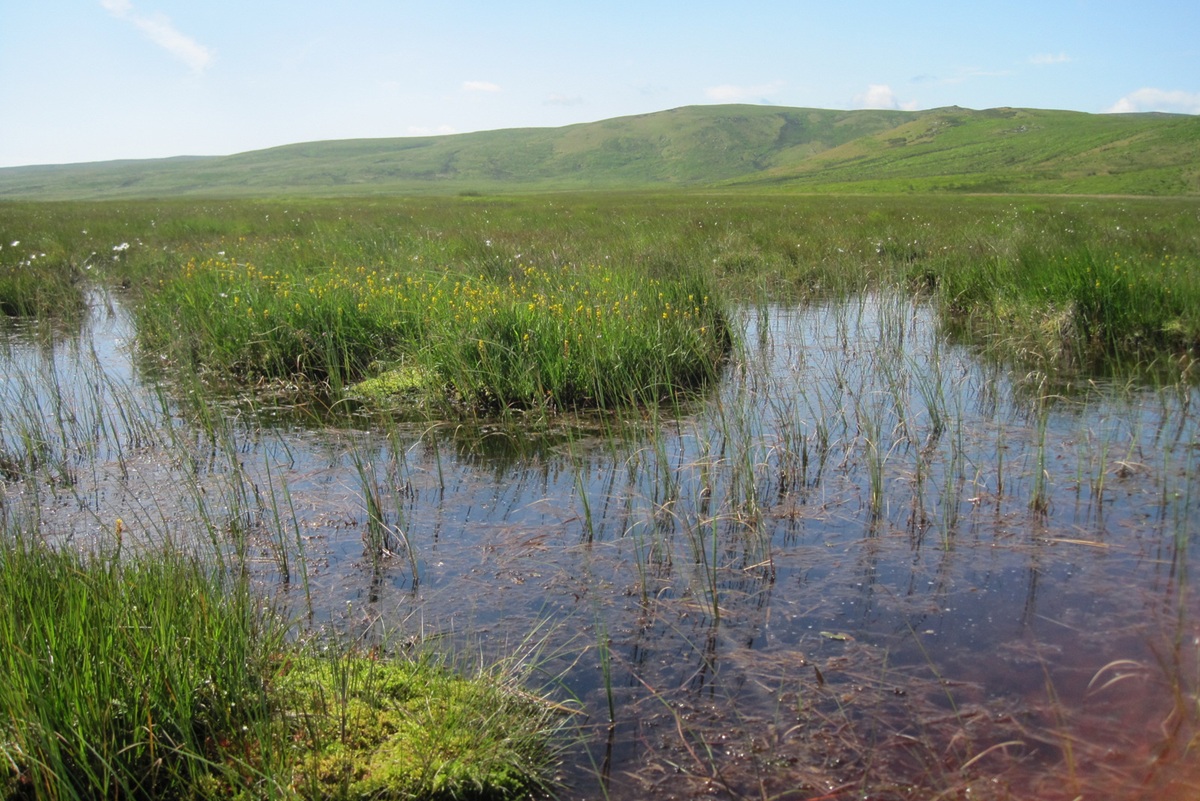
A campaign has been launched calling for a ban on developments which campaigners say are damaging Wales’ peatlands in the drive to generate renewable energy and plant more trees.
The Cambrian Mountains Society (CMS), working with Friends of the Earth Cymru and the South and West Wales Wildlife Trust, has launched a Senedd petition seeking greater protection for peat from renewable energy and forestry developments.
Campaigners argue that disturbing peat can release carbon that has been stored for thousands of years, undermining some of the environmental benefits of projects intended to tackle climate change.
Peatlands cover around 4% of Wales but are estimated to hold around a quarter of the country’s soil carbon stocks. They can also help regulate water flows, improve water quality and reduce the spread of upland wildfires.
Across the UK, large areas of peatland have historically been degraded by drainage, burning, livestock grazing and peat extraction, while other areas have been planted with forestry.
Restoring damaged peatlands is already Welsh Government policy, with programmes under way to improve their condition.
However, CMS argues that the expansion of renewable energy developments in upland areas and some forestry schemes risks undermining those efforts.
The society claims the construction of large wind turbines and associated infrastructure such as access roads and grid connections can result in significant quantities of peat being excavated or disturbed.
It also argues that planting trees on peat for commercial forestry or carbon-offsetting can damage the habitat.
‘Important assets’
Alys Fowler, horticulturalist, journalist and patron of the Cambrian Mountains Society, said her interest in peatlands began while working at Kew Gardens.
She said: “Twenty five years ago when I was working at Kew Gardens, we decided to make the Gardens peat free to help preserve the special peatland habitats.
“So we tried to create a small peat bog to explain to the public why we were doing it. But despite Kew’s enormous expertise, we simply couldn’t keep anything alive in our bog. It made me want to understand what is so ungovernable about them.
“Their complexity is mind-blowing, with the tiny jewel-like mosses engineering the chemical conditions and managing the flow and storage of water so well.
“There’s a lot of energy going into research on this at the moment but there’s no way we understand the half of it yet. We absolutely should not be messing up such important assets when we need every tool we’ve got to fight climate change.”
Welsh planning policy already provides protection for peatlands, stating: “Unless other significant material considerations indicate otherwise it will be necessary to refuse permission” for development on peatlands.
CMS argues, however, that the existing safeguards are insufficient.
The group pointed to permission previously granted by Planning and Environment Decisions Wales (PEDW) for a wind farm near Caerphilly on land containing peat, despite objections from the Welsh Government’s Peatland, Soil and Agricultural Land Use planning team.
It also claims proposed renewable energy developments currently in the pipeline could affect areas encompassing more than 36% of Wales’ peatlands.
Renewable energy
The debate over development on peat has also involved the renewable energy industry.
In 2025, a group of renewable energy industry consultants published a paper arguing that renewable developments could, under certain circumstances, be built on Welsh peatlands.
Dr Emma Hinchcliffe, director of the UK Peatland Programme of the International Union for the Conservation of Nature, criticised that approach.
She said: “Compromising the ‘green’ of green energy by placing it on peatlands is both irresponsible and shortsighted – physically removing habitat and the services to society which those peatlands provide and undermining globally important climate change and biodiversity targets.
“Blanket peatlands are globally rare, and the UK is home to around 15% of the global extent.”
The campaign comes as the Welsh Government prepares to review Future Wales: The National Plan and wider planning policy.
Vivien Geuter, chair of the Cambrian Mountains Society, said the organisation had written to ministers following the Senedd election seeking action.
She said: “In response, the Welsh Government has announced a wholesale review of Future Wales: the National Plan as well as planning policy.
“But this review will take more than a year – during which PEDW are likely to decide several more renewable power applications.
“Until the Welsh Government tells the developers that peat is off-limits right now, there is a clear and present danger of the Welsh peat cob bolting while the stable door remains ajar!”
The petition needs 10,000 signatures to reach the threshold for consideration for a Senedd debate.
Support our Nation today
For the price of a cup of coffee a month you can help us create an independent, not-for-profit, national news service for the people of Wales, by the people of Wales.
Get more trusted Welsh news
Choose Nation.Cymru as a preferred source in Google News to see more of our journalism.



Peat lands are, as the article states, very important. If they are not preserved, they can dry out and are prone to burning. And the fires are very difficult to extinguish – e.g. Blaenavon.