


Campaigners attack west Wales ‘environmentalist’ plans to butcher guinea pigs
Stephen Price
Campaigners have shared their ‘disbelief’ at plans to allow the breeding of guinea pigs for meat as part of Wales’ One Planet Development – a policy that allows people to live and work sustainably in the open countryside.
Following Pembrokeshire County Council’s controversial approval for a couple who have returned to west Wales with hopes to breed guinea pigs to be killed for food, members of the public have shared their anger and worry that this might set a precedent for a growth in guinea pig consumption across the UK.
One of the first campaigners to call out the actions of the couple is online influencer The Vegan Punk who wrote: “An ‘off-grid’ couple who plan to farm guinea pigs and sell their flesh say they’re doing so because “we only have one planet” and it’s their way of “contributing positively to its future”.
The outspoken activist questioned why the couple can’t simply eat a plant-based diet, rich in lentils and pulses alongside readily available fruits and vegetables.
He added: “Mind-boggling how people who apparently care about the welfare of the planet can care so little about the welfare of the beings living on it.”
One Planet Development
Wales’ One Planet Development (OPD) is a planning policy introduced in 2011 that allows individuals and communities to live and work sustainably in the open countryside.
To qualify, applicants must commit to an ultra-low carbon lifestyle, generating their own energy, managing waste ecologically, and deriving a significant portion of their basic needs and livelihood directly from the land.
In an application recommended for approval at the June 30 meeting of Pembrokeshire County Council’s planning committee, Dave and Mayu Phillips sought permission for a One Planet Development scheme at Walnut Grove, near Jeffreyston.
A supporting statement said Dave grew up locally; the couple keen to return to the area and continue the honey business established by Dave’s father Jim, which is based at Walnut Grove, and develop vegetable gardens and build a low impact dwelling on the site.
It added: “The land has been in the family for 20 years and is used as a base for Jim’s honey business with storage and a processing room in the sheds. There is also a kitchen on site for jarring up the honey. The site has over 50 walnut trees that were planted approximately 15-20 years ago as well as 20 active beehives in the apiary.”
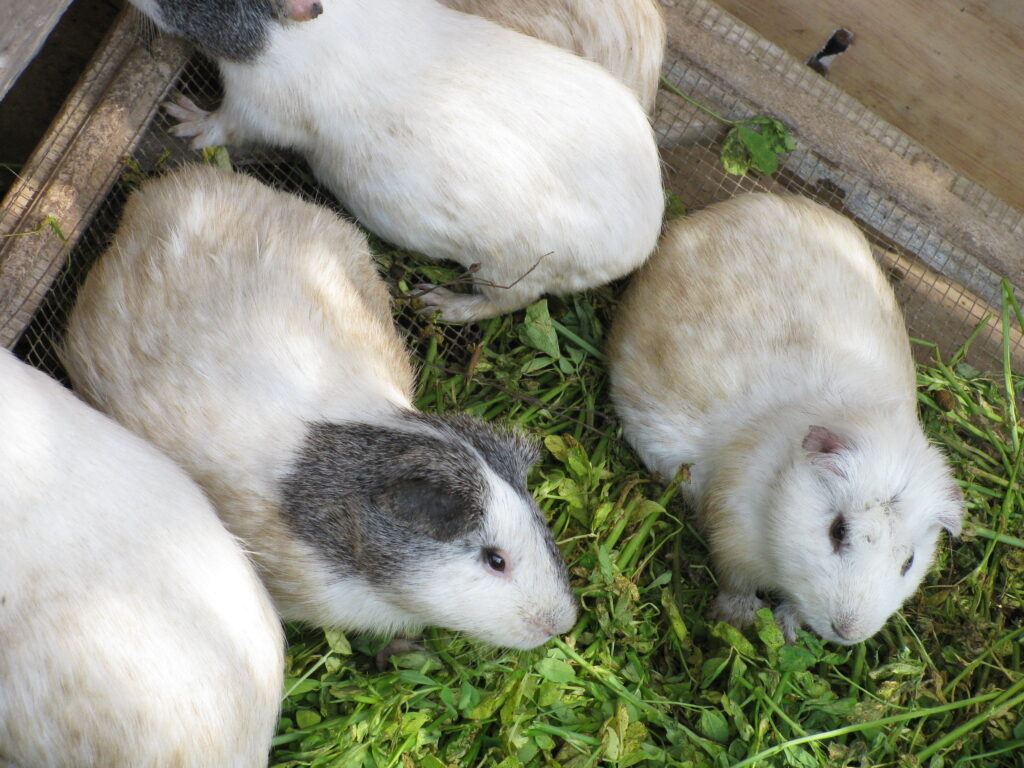
It says, as well as the honey and walnuts, and fruits and vegetables, the site will also have a pair of breeding rabbits and three pairs of breeding guinea pigs will be kept to produce meat for the household, along with a a flock of 20 pigeons for eggs and meat.
An officer report for planners said: “The application seeks full permission for a One Planet Development (OPD), comprising a low-impact dwelling and integrated land-based activities.
“The dwelling would meet caravan standards and would be sited in the northern part of the site to the west of the access track. The wider scheme includes continuation and expansion of honey production, development of the walnut enterprise, horticulture, small-scale livestock, renewable energy provision, and a reed bed wastewater system.”
At the committee meeting, members were told that, by the fifth year of the One Planet Development, the projected income would be in the £13,450-£16,850 range.
Speaking at the meeting, Dave Phillips stressed the ethos of the One Planet Development scheme: “Humanity is living as if we have several more Planet Earths; once we’ve totally trashed this planet ‘move on to the next one,’ we can all play our part, living sustainably and Pembrokeshire County Council can play its part.”
He said the honey had won prizes at the county show, with many shops and market stalls stocking it; the intention now to “add value” to what was already on site with products such as walnuts preserved in honey and walnut-infused apple cider vinegar, going on to say: “Walnuts with a glass of wine goes well.”
Committee chair Cllr Mark Carter said he was “quite intrigued” by the report mention of guinea pigs for meat, Mr Phillips stressing the ‘pigs were larger than the pet variety, and were similar to rabbits in terms of meat production.
Cllr Michael Williams raised the issue of a previous One Planet proposal for the site, refused back in 2023, and was told by officers that scheme was not considered robust enough.
Cllr Carter said he would support the scheme, adding: “To me this looks like a good chance of success, with an income from day one.”
Members unanimously backed conditional approval of the scheme.
Petition
Reflecting wide scale upset at the council’s plans, and the couple’s environmental credentials which rely upon animal flesh in favour of a less environmentally damaging and cruelty free vegan-diet, a petition has been set up by Mark Carter, titled ‘No Guinea Pig Meat in Wales’.
Adam Shaw from the Herbivore Club started a petition calling for the plan to be rejected and for Wales to ban breeding guinea pigs for food altogether.
The petition reads: “Pembrokeshire County Council has reportedly approved a One Planet Development near Jeffreyston which includes breeding guinea pigs to be killed and eaten.
“Across Wales and the rest of the UK, guinea pigs are cared for, named, loved and grieved when they die. They should not be approved as a meat source under a planning scheme.
“The council should reject the use of guinea pigs in this proposal immediately and make clear this will not be allowed to continue.
“The Welsh Government should also ban the breeding, killing, sale and consumption of guinea pigs for food in Wales.”
The petition has over 2,000 signatories to date, with commenters sharing their concern for a precedent being set, as well as the need to slaughter guinea pigs when legumes, beans and pulses and other protein sources can easily grow across Wales.
One commenter wrote: “Guinea pigs are some of the sweetest, gentlest little animals you could ever meet. They have such unique personalities, make the cutest little squeaks when they’re happy, and form real bonds with the people who care for them.
“They bring so much love and joy into our lives, and I can’t bear the thought of them being bred and used for meat. They deserve kindness, love and protection , not to be treated as food. Please help keep guinea pig meat out of Wales.”
While others pointed out the hypocrisy of the outcry against guinea pig slaughter when few besides those who live a vegan lifestyle condemn the farming and slaughter of cows, pigs and chickens, others also pointed out that they are considered a ‘delicacy’ in some South American countries, having been domesticated before the arrival of Europeans.
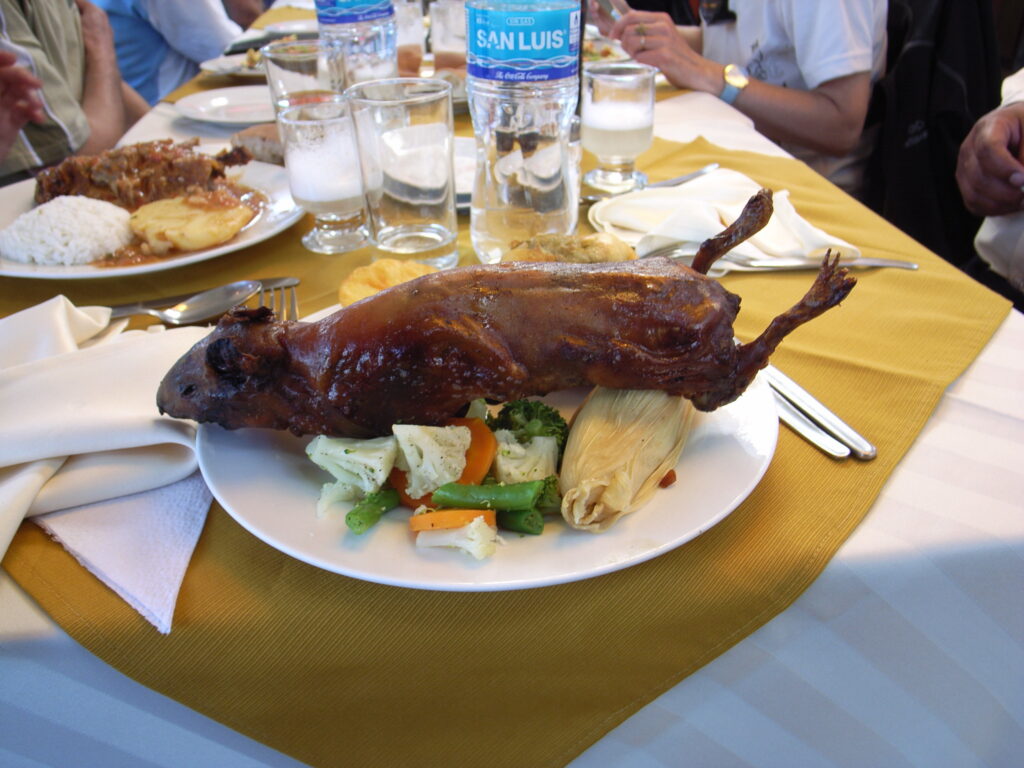
One shared: “What’s the difference between eating a guinea pig and say eating a rabbit or pig? There’s literally NONE. In fact, guinea pigs were originally domesticated FOR their meat.
“Do I like the thought of it? Not particularly, but it’s no different to eating beef or chicken.”
Many who themselves don’t eat meat also used the controversy to highlight what they have labelled ‘hypocrisy’ from meat eaters, with one asking: “If you don’t like this, or dog and cat slaughter in Asian countries, then perhaps it’s time to align your morals and give up meat altogether.”
View the change.org petition here.
Support our Nation today
For the price of a cup of coffee a month you can help us create an independent, not-for-profit, national news service for the people of Wales, by the people of Wales.
Get more trusted Welsh news
Choose Nation.Cymru as a preferred source in Google News to see more of our journalism.



It may be hypocritical to say that in Wales we should not allow breeding of Guinea Pigs for meat while chickens, sheep and cattle are raised for the exact same purpose. But there is no tradition of eating these animals here, so why start now? Perhaps people should just not buy any produce from these people full stop.
OPD is just a scam to allow people, mostly from England, to buy up land in the national parks with some rather vague and cranky promises to live sustainably. Never audited.Often the eco-dwelling is used as a holiday home but attracting only a band A council tax. Growing cabbages and roasting guinea pigs doesn’t pay towards the NHS and other demands on local services the eco-settlers benefit from. A planning loophole exploited as a land-banking scam with dwelling houses constructed or bought to site which would otherwise be denied.