


Cardiff University boss looks at further overseas expansion
Martin Shipton
The head of Cardiff University’s controversial overseas campus in Kazakhstan has revealed her ambition to open new offshoots in Indonesia and the Philippines.
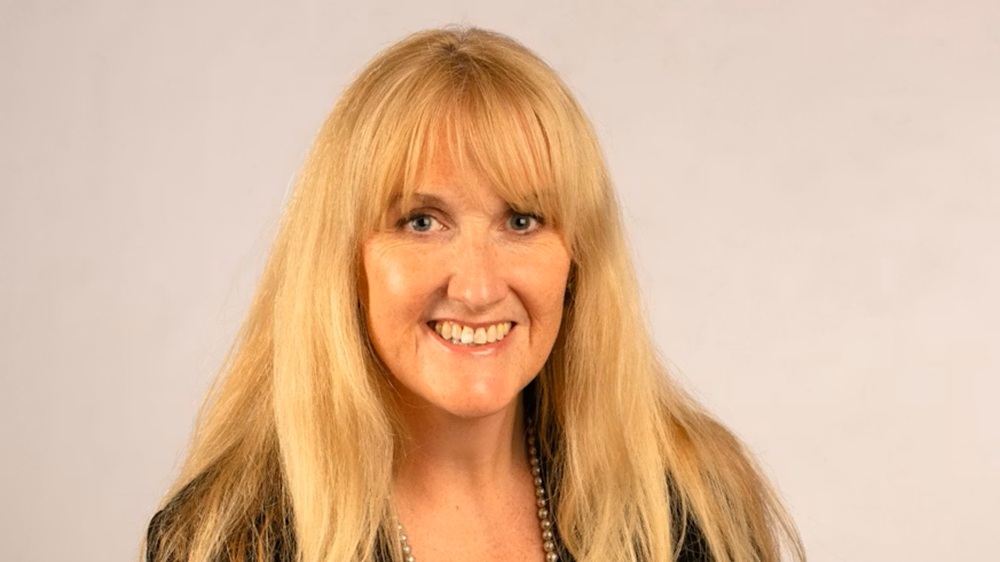
Dr Paula Sanderson, who is CEO of Cardiff University Kazakhstan and Chair of its Supervisory Board is also Cardiff University’s Chief Operating Officer and University Secretary.
She is described in her LinkedIn profile as a “highly motivated and experienced senior leader; commercially minded; driven; future focused; an innovative thinker; data driven with the ability to bring strategy and delivery to complexity.”
Cardiff University’s decision to open a campus in the former Soviet republic was seen by some as insensitive at a time when it was shedding jobs and closing academic schools in its Welsh home.
An academic source who prefers to remain anonymous contacted Nation.Cymru and said: “I am writing about the increasing untethered international strategy of Cardiff University and questionable overall leadership.
“While international engagement and outreach is important and valuable, the way it’s being done raises questions. I’ll focus here on the latest statements in the public domain from Paula Sanderson in a Think Education discussion in which she appears to say the reason she chooses places like Kazakhstan is because of lack of regulation and the ease in which business can be done.
“Remarkably, she then reveals her plans to expand in Indonesia and the Philippines for similar reasons.”
During the Think Education discussion, Dr Sanderson says: “If we’re really candid, we’re at a time when most of our institutions are making significant cuts and have to and yet there’s a growth opportunity, but it’s not here [in Cardiff]. And that’s a really hard conversation to have with people. That’s definitely been the hardest conversation.
“But actually, you know … even if people struggled publicly over the last year to say to me: ‘This is a great idea’, most people in the coffee queue would say: ‘This is amazing.’”
Dr Sanderson spoke of how the lack of bureaucratic constraints had made it possible to go from the original conception of Cardiff Kazakhstan to a situation where students were enrolled and being taught in a temporary building in just a year.
‘Agile’
Comparing the current development to a previous project she had been involved with in Malaysia, she said: “Kazakhstan’s policy environment is not formally documented in the same way, but is more agile. So literally, I can pick up the phone to the minister and I can say I am struggling with this and it is resolved because. So there isn’t bureaucracy. That’s what made it move so quickly.
“The legal frameworks say this. OK, but how are we interpreting that? Let’s have a really good conversation with the Parliament. Let’s take it forward. Let’s have a think about how we can make this work in a way that I’ve never come across before. It’s just so agile and the will to have really good partners there and to be able to grow the educational capacity within the country has made for flexibility that I’ve never seen before.
“Colleagues who’ve worked in Kazakhstan will know Minister [of Science and Higher Education] Sayasat Nurbek, because he will have actively been involved in every single conversation. I remember the first day when I looked at the phone and it was him ringing, I was a bit like: ‘That’s it.’ And just say something stuck and it’s because you didn’t do X, he’d solve it immediately and then he’d move on to the next point. You know, that will to change and to innovate has been incredible.”
Dr Sanderson also praises changes that have made it easier for students to go to study in Kazakhstan, contrasting that freer approach with the situation in the UK, where anti-migrant policies have placed greater restrictions on international students.
Indonesia
Looking ahead to the potential further overseas expansion of Cardiff University, she says: “I’ve started to say I’m looking at Indonesia because I like to think about what’s coming next. I think that’s something we don’t do very well in our international policy spaces: we’re focused on what’s coming at us.
“And actually I think what’s happening in Indonesia, what’s happening in the Philippines, what are the other spaces where there’s going to be a need for education partnerships? Yes. So I’m always thinking, keep looking further ahead and engaging.”
Support our Nation today
For the price of a cup of coffee a month you can help us create an independent, not-for-profit, national news service for the people of Wales, by the people of Wales.



This has previously been tried with varying degrees of success. It is a form of educational imperialism and to be avoided. In this case it is more about the CV of the VC rather than sorting out the real serious issues at home. The Welsh Government needs to get involved especially with respect to vocational courses producing much needed workers for local needs.
CARDIFF university has lost credibility ! The staff are constantly messaging students with updates and problems with teaching, timetable…the list goes on …didn’t Cardiff university recently say there was no money??.
All countries do it, it’s less imperialism and more a sharing of ideas. China has a couple in the UK, I think America and Germany also have a campus or two here…
They just tend to bring money in. Which is the usual reason why they’re done in the first place. Unless you’re China in which case it’s 50% indoctrination and 50% keeping tabs.
If you want Universities to return to 1980-1990s practice of relying predominantly on UK students, you need to raise taxes (or find a way to provide more government funding)- or tuition fees substantially. Otherwise it’s 25-40% job cuts across most Unis from the 2020 employment levels. International students numbers are declining and more likely to go to top 100 global Uni’s, of which there are none in Wales. Therefore, places like Cardiff have to look for more innovative revenue streams to boost income in UK.
Nah just cut the number of university students
Cardiff University is the hub of the Welsh economy with links to others Welsh Universities, Russell Group, Welsh and UK Government policies and has lots of spinoff organisations. Lots of Cardiff small startups have ex-Cardiff University students leading.
Is the same in Swansea University?
The organisations assets are worth £0.5 billion and it has published a clear plan to return to profitability.
If expansion outside of Wales is unsuccessful, the University’s teaching will not be affected.
This narrative fits quite well with the disastrous approach of Patrick Minford’s school of business and neo-colonialism.