


Casualties on Wales’ 20mph and 30mph roads fall by 35%
Nation.Cymru staff
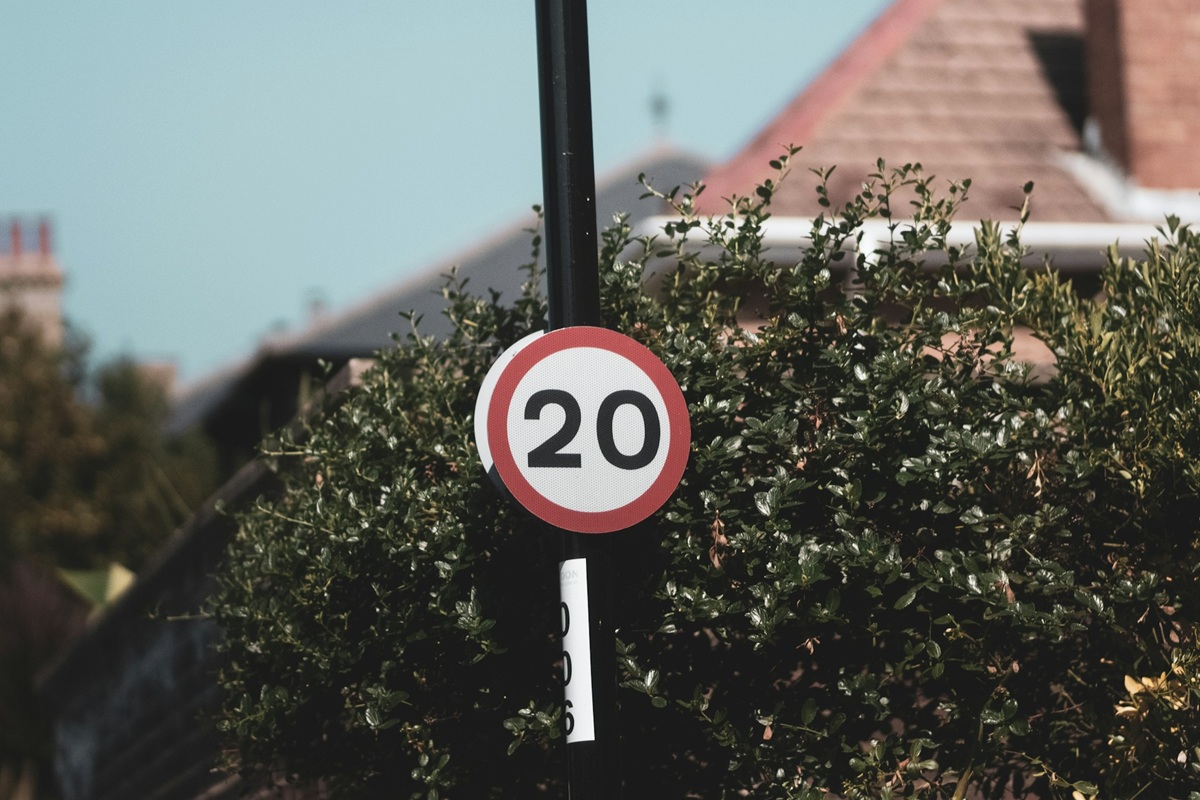
Road casualties on Wales’ 20mph and 30mph roads have fallen by 35% compared with the same period before the lower default speed limit was introduced.
Provisional police figures recorded 378 casualties on those roads between April and June this year, down from 584 during the same quarter in 2023.
The number of collisions fell by 37% over that period, from 477 to 299.
Deputy Minister for Transport Mark Hooper said the figures provided further evidence that the default 20mph limit was helping to improve road safety.
“These latest figures are extremely encouraging and provide more evidence that the 20mph default speed limit is helping to make our roads safer,” he said.
“Every one of those figures represents someone who has avoided injury, or death, on our roads.”
Compared with April to June last year, collisions on 20mph and 30mph roads combined fell by 22%, while casualties dropped by 20%.
The Welsh Government said collision and casualty figures for roads with those two limits combined were the lowest recorded on this basis outside the Covid pandemic.
The statistics combine roads with both speed limits to allow comparisons before and after the default changed in September 2023.
At that point, the estimated length of 20mph roads increased from around 870km to 13,000km, while the length of 30mph roads fell from approximately 13,100km to 980km.
Across all Welsh roads, police recorded 638 collisions resulting in 856 casualties during the second quarter of 2026. Those totals were down 19% and 20% respectively compared with the same period last year.
Compared with April to June 2023, collisions across all roads were 27% lower and casualties were down 25%.
However, the statistical report notes that collisions and casualties have generally been declining over the past decade. It cautions that quarterly figures can fluctuate and are affected by factors including traffic volumes and weather.
Longer-term trends provide a better indication of changes than individual quarterly results, it says.
The report also estimates that 294 people were killed or seriously injured across Welsh roads between April and June, using figures adjusted to account for differences in police recording methods.
Forces are moving to an injury-based system intended to make classifications more consistent. Statisticians advise against comparing severity trends until further adjusted figures are published. These changes do not affect the overall totals for collisions, casualties or deaths.
Ongoing evaluation
Mr Hooper said the government would continue assessing the policy’s effects.
“We will continue to monitor these trends closely, as part of our ongoing evaluation of the policy, but today’s figures are a strong sign that things continue to move in the right direction.”
The figures cover personal injury collisions reported to police. They exclude incidents on private land, those where nobody was injured and collisions not reported to police.
The latest data are provisional and may be revised.
Support our Nation today
For the price of a cup of coffee a month you can help us create an independent, not-for-profit, national news service for the people of Wales, by the people of Wales.
Get more trusted Welsh news
Choose Nation.Cymru as a preferred source in Google News to see more of our journalism.



But… but…. making our roads safer for all road users is a war on motorists! I don’t care about preventing avoidable casualties because my personal freedom is paramount! /s
Entitled to your opinion but we do live in the collective community, where our emissions and speed affect everyone else. I guess if you are rich enough you could buy up the roads and privatize them. 😂
Satire from Guess Again
You beat me to it.
The most frightening thing he is getting thumbs up!!
I was hoping the /s denoting sarcasm would have been enough indication
Good work sir.
Reform and Welsh Tory party want to increase road casualties, that is my takeaway.
Rather than saying let’s see where this goes, the two parties of the far right in the UK want to harm people on purpose.
There are a lot of provisos relating to these figures but this is yet again clear evidence that the 20mph policy has consistently reduced accidents where it has been implemented. There is also no proven evidence that the Welsh economy has been hit by this reduction, despite predictions otherwise.
The stats combines all 20mph and 30mph roads but does not tell us if there is any specific reduction in collisions on roads that are now 20mph which were previously 30mph. The reduction can also be due to (a) less traffic on the roads price of fuel, and/or (b) a continued fall off in collisions due to better vehicles. There’s also been a fall of about 20% since 2023 in England. The is also a very stange and selective time window of April to June in this press release. When most collisions happen between Oct to Dec or Jan to… Read more »
I get that we should not go overboard but there has yet to be any stats since the 20mph change that indicates anything but a positive impact on road casualties. You say the stats do not “tell us if there is any specific reduction in collisions on roads that are now 20mph which were previously 30mph”. Are you honestly saying that it could be the case that the 35% reduction in casualties on 20mph and 30mph roads in Wales is only on those roads that are 30mph or were 20mph before 2023?
The problem is that casualties could be reduced further by reducing the speed limit to 10 mph and extending it to all roads. There are always trade-offs. The simple fact that casualties have fallen tells you little about at what point the right balance has been struck.
Here we go. The greatest hits of those who want more road casualties are being thrown around today. The 10mph nonsense. Nobody is for a 10mph limit but yet that does not stop you throwing it out there. By the way the 20mph limit has had no impact on my journey times.
Of course I don’t want more casualties, and in general I support 20 mph limits. It is at least possible, however, that a more selective approach could have delivered the vast majority of the benefits while avoiding some of the costs. It would also be worth considering serious enforcement of higher limits through widespread use of average speed monitoring. Imposing laws in the expectation that they will be widely ignored risks undermining respect for laws more generally..
We obviously know it does have an impact on journey times as bus schedules were elongated as a result. It does depend where you are. If your regular journey is inner city Cardiff in rush hour it will have no effect on journey times as you are crawling well below the speed limit most of the journey regardless. However, in suburbs and more rural areas the slower journey times are more significant.
Never impacted me.
To this day.
“ However, in suburbs and more rural areas the slower journey times are more significant.”
Except that in suburbs and rural areas, the restricted speed limits tend to be much shorter having less impact on overall journey times.
The biggest impact on my rural commute is hitting the only set of traffic lights just as they turn red. That means a 2-minute delay. The 20 mph adds about 30 seconds
The impact of going down below 20 is much smaller than going from 30 to 20. It may make sense in some limited places like directly outside schools and on hospital grounds, or in places with very high pedestrian footfall, but 20 is right in most built up areas.
Not Just Bikes covered this: https://youtu.be/JRbnBc-97Ps?si=qzkWStXrelR6qzCl
This 20 mph thing has many positive outcomes, the important one mentioned above is obviously the clear winner but it’s also cut our insurance premiums, it’s cut police officers having to go through the trauma of “that house visit” it’s made drivers pay far more attention in built up areas, but also it’s really offended the Wales haters. And that’s a good bonus for anything.
That’s good news indeed. All the police need to do now is to stop the late night/early morning boy racers hammering up and down our roads before they kill someone or themselves. How do we see all this but the police don’t?
Great. Let’s lower the speed limit even more, to 15mph. There’ll be even less accidents and deaths then! IMO it’s a rather Victorian approach to road safety, and rather lacking in intellectual rigour. It would probably have saved just as many lives if they had: targeted certain roads and left others alone; introduced other measures such as appropriate speed ramps; done nothing as it was in a downward trend anyway; just had the debate; continue with increasingly better cars with braking sensors; taught children and adults how to cross a road (The Green Cross Code); spending the money used on… Read more »