


Cemetery extension rejected amid water pollution concerns
Dale Spridgeon, local democracy reporter
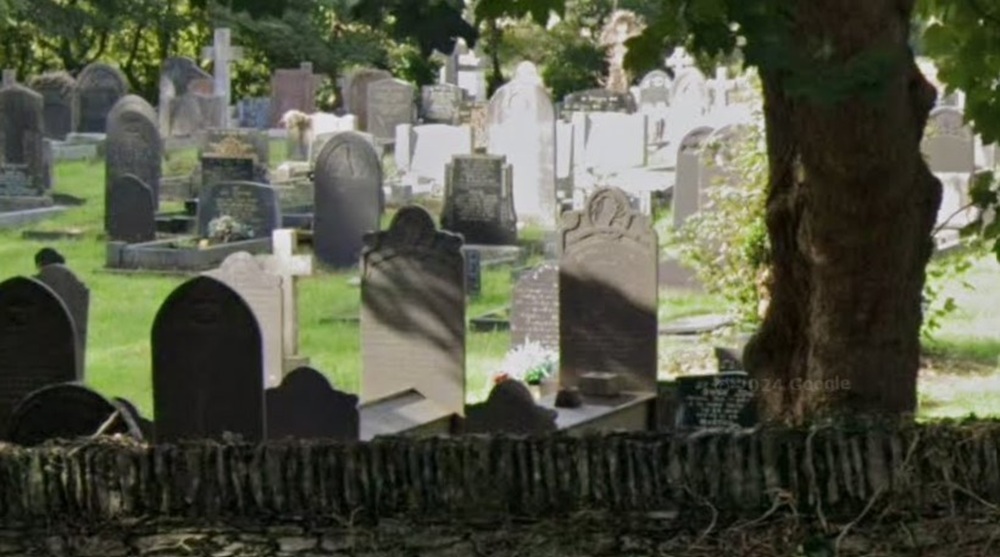
A scheme to extend an Anglesey cemetery has been rejected by planners amid concerns over a “risk” to water quality.
A full planning application had been made by Amlwch Town Council over a change of use of agricultural land to extend the burial ground at Amlwch.
The burial ground had been in use since around 1867.
Figures held for the cemetery, dated from 2020, had noted 5,538 graves, and that there were around 30 burials a year.
Extensions
It was noted that the site had undergone a number of extensions from the 19th century until the present day.
The proposal aimed to increase the capacity of the site by 150 graves, by making use of adjoining agricultural land.
But the proposal for the Ffordd Burwen site was rejected by Anglesey County Council, in a decision made by planners on Thursday, August 28.
‘Unacceptable risk’
A decision posted on the council’s planning portal stated: “The Local Planning Authority considers that the proposal would cause unacceptable risk to controlled waters.
“The proposal presents a moderate to high risk of pollution and harm to water quality.”
It added that the development was contrary to the provisions of policies and of the Anglesey & Gwynedd Joint Local Development Plan.
The decision, signed off by Dewi Frances Jones, chief planning officer, said: “The Local Planning Authority considers that insufficient information has been provided to demonstrate that the consequences of flooding have been considered.”
It also states that “insufficient information” had been submitted to demonstrate that the proposal would “protect and enhance” biodiversity.
It was noted that Natural Resources Wales had had “significant concerns” with the development, and if approved, it had called for further information with regard to water quality and for further tests to be carried out.
It had stated that whilst the local planning authority was the “principal controlling body” in determining approval for cemetery sites or their extensions, “significant information” was required to determine that the environment risks were examined and that NRW views are “considered”.
A groundwater report had also concluded that the site was of a “moderate to high risk”.
It stated the risk was mainly associated with the presence of shallow ground water, the proximity for surface water and the potential for “permeable, superficial deposits” below the site.
It was concluded that further risk assessments would be necessary.
Support our Nation today
For the price of a cup of coffee a month you can help us create an independent, not-for-profit, national news service for the people of Wales, by the people of Wales.


