


Charities urge Plaid Cymru to put animal welfare at heart of policy reform
Nation.Cymru Team
Animal charities and legal experts have urged the new Plaid Cymru government to “put animals back at the heart” of the Animal Welfare Act on its 20th anniversary.
On the 20th anniversary of the Animal Welfare Act 2006, a major coalition of animal protection organisations, lawyers and academics is calling on Plaid Cymru’s new Welsh Government to urgently reset how the law is interpreted and applied, warning that millions of animals are still suffering unnecessarily despite existing legal protections.
Polling shows that Wales has the highest proportion of people identifying as animal lovers (75%) of any UK country. It is essential that the newly elected Welsh Government reflect the will of the voters and make Wales a better place for animals as it has committed to in its Manifesto, promising to produce a “renewed Animal Health and Welfare Plan addressing the welfare of both companion animals and farm animals.”
In a letter written by The Animal Law Foundation, it is argued that the current law that protects animals, The Animal Welfare Act 2006 has yet to reach its full potential and that Plaid now has a unique opportunity to address this. Weak interpretation, poor enforcement and the exclusion of entire categories of animals have allowed widespread and avoidable suffering to continue.
The letter, coordinated by the Animal Law Foundation and The League Against Cruel Sports is supported by over 60 signatories, including organisations, such as Compassion in World Farming, Born Free Foundation and World Animal Protection, and leading legal professionals, veterinarians and animal welfare scientists.
Weaknesses
The letter highlights the following key weaknesses in the Act:
Misinterpretation of “unnecessary suffering”. Practices such as selective breeding of chickens for unnaturally rapid growth, or of dogs and cats for extreme appearances, and the use of animals in sport or entertainment that compromises their welfare, continue because they are considered “necessary” for profit or tradition. Yet legal precedent is clear: financial gain cannot justify cruelty.
Failure to enforce welfare needs. Animals are legally entitled to a suitable environment, diet, social contact, and the ability to express natural behaviour.
Many farmed and companion animals live in conditions that fail these basic standards: snakes unable to stretch, birds unable to fly, pigs and chickens confined in small spaces, and social animals such as rabbits and guinea pigs kept in isolation.
Exclusion of some species from meaningful protection. Certain animals are excluded from the Act entirely, including wild animals and invertebrates such as crabs and lobsters. This means they are not protected from unnecessary suffering.
Plaid Cymru’s commitment to animal welfare must build on the successes of previous governments, which include the introduction of CCTV in slaughterhouses and the banning of greyhound racing, to show the Welsh public that it will not compromise on the protection of animals and that the laws that have already been passed will apply in practice.
A unique opportunity
Edie Bowles, Executive Director of The Animal Law Foundation says:“The anniversary of the Animal Welfare Act provides the new Welsh Government a unique opportunity to take stock of where we are and where we need to go to ensure animals are fully protected under the law.
Plaid has the opportunity to fulfill its promises made in its election manifesto – to set high standards for the treatment of all animals – and this starts with ensuring the laws already in place mean something in practice.
The Animal Law Foundation has a growing body of work demonstrating that correct legal interpretation works. In a landmark victory, The Animal Law Foundation has ended boiling lobsters and crabs alive by showing that it is illegal under the Welfare of Animals at the Time of Killing Regulations 2015, which prohibits avoidable suffering at the time of killing for these animals.
Our success demonstrates a critical point: common practice is not the same as lawful practice. It is entirely possible, and necessary, to reset interpretations of the law so that they reflect both its wording and its purpose.”
Animal abuse
Emma Slawinski, Executive Director of The League Against Cruel Sports says “Excluding animals not “under the control of man” creates a two-tier system of protection, allowing responsibility for welfare to be abandoned when animals are most vulnerable.
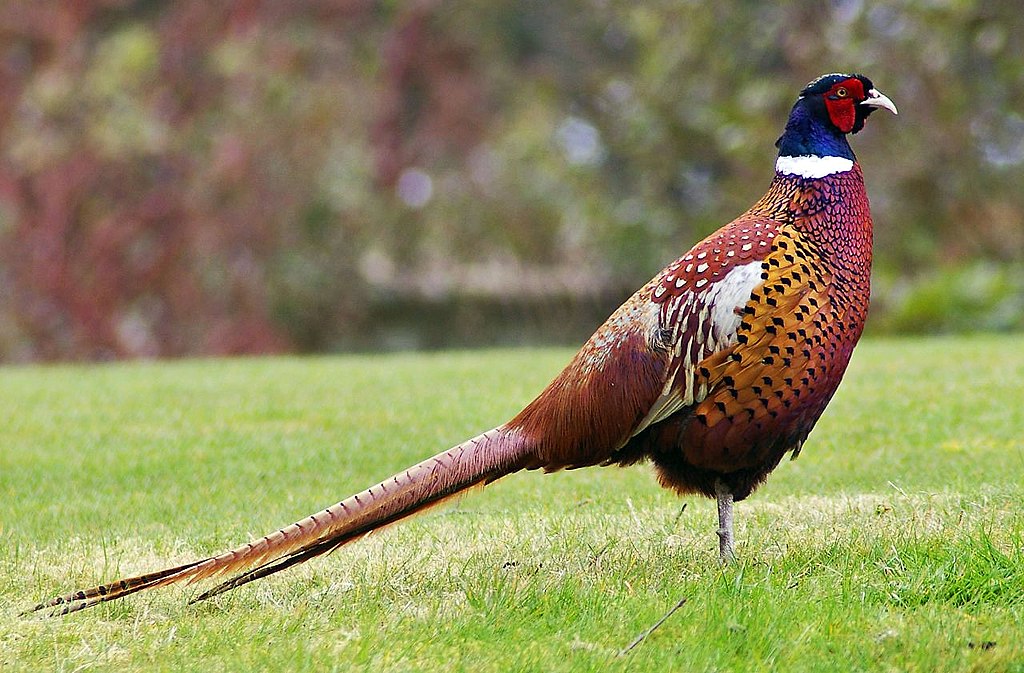
“Gamebirds such as pheasants and partridges are protected while farmed, then reclassified as wild, and so unprotected, on release, leaving them to suffer lingering injuries after being poorly shot for sport.
“Stabbing, or stoning a wild animal like a rabbit is illegal under a different law, but could be punished far less severely than if the animal were a pet. This inconsistency is illogical and unjustified.”
“Twenty years on, it’s time to put animals back into the Animal Welfare Act,” said Edie Bowles.
“Animals in Wales cannot wait another 20 years for the protections they are legally entitled to. By interpreting and enforcing the law correctly we can eliminate unnecessary suffering and ensure all animals can live lives that meet their needs.”
Support our Nation today
For the price of a cup of coffee a month you can help us create an independent, not-for-profit, national news service for the people of Wales, by the people of Wales.
Get more trusted Welsh news
Choose Nation.Cymru as a preferred source in Google News to see more of our journalism.




Go on, Plaid. For the lobsters.
So, a picture of a pheasant for an article on animal welfare. It’s not just the shooting that raises welfare questions. Every time I drive through Mallwyd these days the road is littered with squashed pheasants and made dangerous by live ones flying out from the hedgerows. I’ve a dented vehicle to prove it. I assume they are recently released, having, as the article explains, been pen-raised and never needing to forage or learn to avoid hazards, until they are due to be shot. They are completely clueless when thrown out into the world. There’d be an outcry if you… Read more »
Excellent piece and a very interesting perspective. Keep these coming!