


Cheap city centre parking blamed for decline in park and ride revenue
Richard Youle, Local Democracy Reporter
Cheap parking is being blamed for a decline in the number of people using a park and ride service.
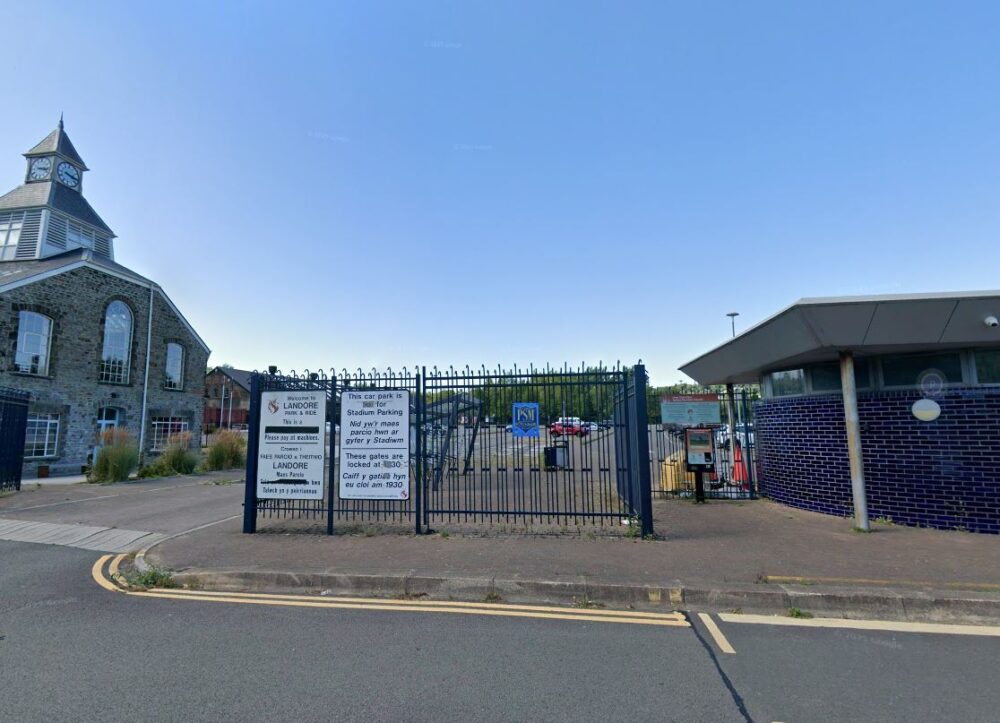
In Swansea it costs just £1 per day for a car with up to four passengers at the Fabian Way and Landore park and ride sites but the convenience and cost of city centre parking seems to hold a greater attraction.
A report before the council’s scrutiny programme committee said the combined operating budget for the two park and ride sites was £693,300 in 2024-25 but income was only £89,637 – a drop from £100,734 the previous year.
Cllr Susan Jones said people thought parking charges were too high in Swansea but cabinet member for environment and infrastructure, Cllr Andrew Stevens, said it was “certainly” not expensive.
Stuart Davies, the council’s head of highways and transportation, said charges were “probably some of the cheapest” in UK towns and cities.
A committee report said the park and ride service had been significantly affected by the Covid pandemic because people were concerned about the risk of infection when travelling by bus.
To encourage usage, the fare was reduced from £2.50p to £1 per vehicle. “However, due to the competitive pricing of city centre car parks, many customers now choose to park directly in the city centre for convenience,” said the report.
It added that capacity at the Landore site has been reduced due to developments work taking place nearby and that alternative park and ride locations to serve the lower Swansea Valley were being looked at.
Cllr Mark Tribe said he thought a new park and ride should be considered in Felindre for people in the north-west of the county.
The council operates 48 car parks including the two park and ride sites. A new multi-storey one at the Copr Bay site at the rear of the Oystermouth Road Tesco superstore is scheduled to open in May after lengthy delays.
Income from these 48 car parks totalled £4.4 million in 2024-25, with around 45% coming from foreshore car parks and 55% from city centre ones. Income the previous year was £4.53 million.
Over capacity
Highways and transport group leader Matt Bowyer said very popular city centre car parks were at full or slightly over-capacity at peak Saturday morning periods. Those slightly further away such as the one on Paxton Street, he said, operated at around 50% capacity, with ones further away still having even more space capacity.
The report said parking charges generally were lowered as a result of the pandemic to encourage city centre visitors while “customer resistance to increases has required continued reduced rates to maintain demand”.
The car parks team has 23 staff and sits within a broader division which includes parking enforcement.
Parking wardens and the council’s three camera enforcement cars generated £2.92 million income in 2024-25 compared to £2.49 million in the previous 12 months. Mr Bowyer said civil parking enforcement had to be self-funded under the relevant legislation.
Councillors heard that footage from camera cars was assessed by an officer before any fine was issued. There are currently 25 parking wardens – or civil enforcement officers – who issue fines, and two vacancies.
The report didn’t specify how many parking tickets were handed out in 2024-25 but it said only 0.05% of those were overturned due to “officer error” on appeal.
Asked how the council decided where to send parking wardens, Cllr Stevens said patrols took place across Swansea and in response to certain events, hotspot areas and public requests.
Alison Willingale, interim parking services manager, said the council’s civil enforcement officers were “well-versed in what areas they need to visit” and took into account things like the Wales Airshow and key sporting fixtures.
She said if someone reported a parking-related safety issue officers would attend straight away.
Parking demand
The report said an integrated transport policy was essential because parking demand in response to “anticipated economic growth in the city centre” would eventually exceed supply. People needed other transport options, it said, such as secure bike parking and public transport hubs.
Cycle paths can prove problematic though despite offering people a less polluting way to get about. One planned from Sketty and Uplands into the city centre was halted by the Labour administration in September 2024 due to public opposition, potential disruption during construction and what council chiefs described as “policy and priority changes” announced by the UK and Welsh governments on economic growth and public transport.
Cllr Jones asked if transport measures aimed at supporting climate targets were changing people’s habits. Cllr Stevens said he reckoned such change was “never down to one specific thing” but that a more joined-up and convenient public transport system would likely lead to a bigger shift.
Support our Nation today
For the price of a cup of coffee a month you can help us create an independent, not-for-profit, national news service for the people of Wales, by the people of Wales.


