


Church in Wales pulls back from legislating on gay marriage
Martin Shipton
The Church in Wales has delayed moves to introduce gay marriage, saying it wants to consider the issue more carefully before bringing forward legislation as previously planned.
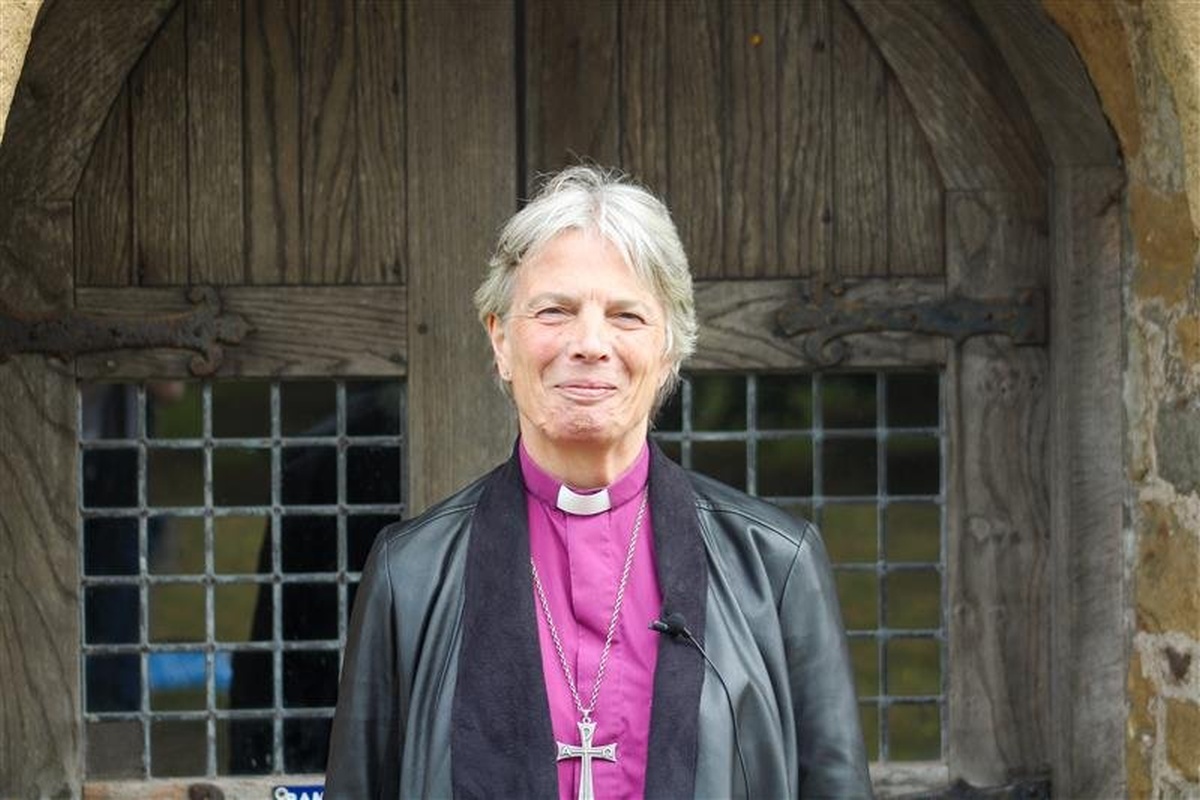
The decision has been greeted with disappointment by some members of the Church’s LGBT community. One described it as an insult to Archbishop Cherry Van, who is herself a lesbian.
At present same sex marriages can be blessed in a Church in Wales church, but wedding ceremonies are not permitted.
A statement issued on behalf of the Church in Wales’ Bench of Bishops said: “The Governing Body is aware that in November last year the Bench made a pastoral statement which set out an intended course of action for the introduction to the Governing Body of two Bills: the first which considered making permanent the liturgy for the blessing of those in same-sex marriages or civil partnerships (in April 2026); and a further Bill in April 2027 which proposed that the law of the land and the law of the Church changed to permit marriages of couples of the same sex in the Church in Wales. The first of these Bills was of course passed by the Governing Body at its meeting in April this year.
“As bishops we are very grateful for the respectful and generous tone in which the debate in April was conducted. We see the relief of those who feel that the Church can now acknowledge the committed and loving relationships of same-sex couples; and we also acknowledge with gratitude the many gracious messages we have received from those for whom that decision was a painful one.
“This significant decision has been reached following a period of positive but yet frank interaction and the bishops believe that a longer period of time is now needed to assess the best way forward in enabling the Governing Body to consider equal marriage.
“While the Bench remains committed to testing the Governing Body’s mind on the introduction of equal marriage in the Church in Wales, the bishops have decided not to introduce final legislative proposals in April next year. Instead, the Bench believes that it is important to explore the doctrine of marriage from a theological perspective, allowing the Governing Body to reflect on marriage, and the nature of legislation which would be most appropriate to support such a change.
“It is therefore the Bench’s intention to ask the Standing Committee to use part of the Governing Body’s meeting in April 2027 to host a facilitated conversation on the doctrine of marriage. It is envisaged that this would involve two experts from outside the province – one from a traditional viewpoint, one from a more progressive viewpoint – who would explore marriage theologically by way of a conversation. This would be supported by a neutral doctrinal paper on the potential forms of any legislation which the Bench is asking the Standing Doctrinal Commission to prepare.”
‘Courage’
The delay was criticised by a longstanding gay member of the Church in Wales, who while wishing to remain anonymous said: “How many more times will the Church in Wales put off making a decision on equal marriage? Instead of seeking the views of supposedly independent experts, they should have the courage to make a theologically sound decision of their own. This has been debated for long enough.
“It is also insulting to Archbishop Cherry Vann and other LGBT priests who have worked with great sensitivity to move forward the case for this important reform.”
Support our Nation today
For the price of a cup of coffee a month you can help us create an independent, not-for-profit, national news service for the people of Wales, by the people of Wales.
Get more trusted Welsh news
Choose Nation.Cymru as a preferred source in Google News to see more of our journalism.



How much more time do they need to “explore the doctrine of marriage from a theological perspective”? This matter should have been settled ages ago. It really is very simple, if two consenting adults love each other enough to get hitched then don’t stand in their way.