


City to get tens of millions of pounds more after budget passed
Richard Youle, Local democary reporter.
Key council services in a south Wales city will get tens of millions of pounds more this coming financial year and council tax will go up by 3.9% after the 2026-27 budget was passed at a meeting.
The net budget for the six main directorates will be £615.7 million compared to £584.3 million this year, with schools and social services getting just over £12 million more each. The extra £12 million-plus factors in savings that they, along with other directorates, will need to make to help mitigate spending pressures.
Council leader Rob Stewart told a meeting of full council that the 3.9% council tax rise was the third lowest in Wales for 2026-27.
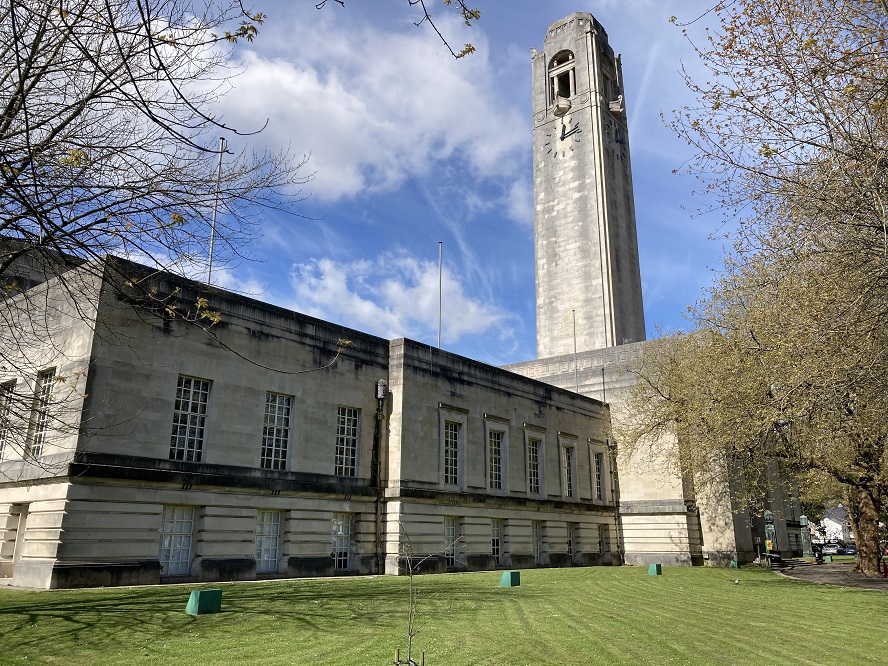
Opposition councillors put forward a written amendment to defer £150,000-worth of what they were concerned would be city centre parking increases in order to encourage more footfall and help businesses.
They also submitted an amendment to stop caseloads increasing for council domiciliary carers as part of a proposed £250,000 savings measure in social services, where spending pressures are particularly acute and additional focus is being put on prevention.
The way these amendments were articulated in the Guildhall chamber led to technical and at times confusing debate. Labour councillor David Phillips, addressing the opposition on the parking one, said: “Your motion does not say what you think it says.” Opposition councillors said it was a simple proposition.
Cllr Stewart said no parking increases had been proposed yet – cabinet, he said, will carry out an annual parking review in due course.
Introducing the parking amendment, opposition Liberal Democrat leader Chris Holley said the city centre was deteriorating, notwithstanding “all the good work that has been done”. He said: “Let’s come and have some free parking. Let’s find a way of bringing people back to the city centre.”
Conservative councillor Will Thomas, who supported the motion, said everyone in the chamber was “passionate” about the city centre, that people still wanted to use their cars, and that there was competition from the likes of Trostre and Morfa retail parks. “We need to compete with that,” he said. “We need Swansea to thrive, and parking is part of that.”
Deputy council leader Andrea Williams said she was concerned that any free parking offers would lead to city centre workers and not shoppers using those spaces, while Cllr Stewart said cabinet remained extremely aware of ensuring a low-cost parking offer. He said the free council-run shuttle bus Shopper Hopper would continue, as would free local bus travel on certain weekends of the year.
Referring to the domiciliary carer amendment, Cllr Louise Gibbard, cabinet member for care services, said carer caseloads would only increase where there was capacity and that nobody who needed care would go without it.
The cross-chamber to and fro continued, although there was support on all sides though for the sentiment of encouraging city centre footfall and supporting domiciliary carers. Due to the complexity of social care and the way in which the council was placing extra emphasis on prevention, it was suggested that all members received a briefing from David Howes, the director of the service.
Both opposition amendments were eventually defeated, and the revenue budget was approved with 38 councillors voting for it, four voting against and 22 abstaining.
During the meeting, the council’s finance director Ben Smith said the authority’s current financial position in terms of directorate spending was looking good, providing lots of “wriggle room” and stability.
Savings and income-generating measures worth £12.7 million will still need to be made. It could have been more but for a £16.2 million reduction by the council in its employer pension contributions.
Some planned savings measures have been scrapped following a public consultation, and further investments worth £1.1 million in things like road litter clearing, fly-tipping enforcement and new street signs will be made.
The Labour administration will also deploy a £10 million economic growth fund to boost expenditure on roads, music and live events, and other projects.
Cllr Stewart said work was progressing on a new Covid memorial consisting of glass spheres which would be located on the seafront and commemorate those who gave dedicated service during the pandemic and those who died.
He added that promenade lighting would be extended from the Slip bridge area down to the marina, completing a string of low-level lighting all the way to Mumbles.
The Swansea Labour leader also said Swansea Building Society Arena was not far off its millionth visitor and that footfall at the new Y Storfa library building on Oxford Street was significantly higher than when it was based at the Civic Centre on the seafront.
With the war against Iran expected to push up energy prices, finance director Mr Smith said the council had pre-bought all its electricity for 2026-27 and 91% of its gas and would be able to mitigate “spillover” effects, in the short-term at least.
The headline budget figures are that schools will, to the nearest decimal place, get £225.9 million next year, social services including poverty and prevention £208.1 million, and place – which covers waste collection, transport, parks and libraries – £101.5 million. The three other directorates – finance, corporate services and education – will receive £41.2 million, £24.5 million and £14.5 million respectively.
Add capital borrowing costs and Swansea’s share of the Mid and Wales Fire Authority levy, plus a few other adjustments, and the net budget comes to £677.6 million. This sum will be funded by a £415.6 million Welsh Government revenue support grant, £174.8 million council tax, and an £87.2 million share of business rates.
The 3.9% council tax rise will generate additional revenue of £9.4 million and mean Band D householders paying £1,807.38p, excluding the South Wales Police precept and any town or community council precepts.
Mr Smith cautioned against comparing the 3.9% rise with inflation because the council didn’t “buy the same basket of goods” as consumers. He added that inflationary pressures in social care were as high as 14%.
Support our Nation today
For the price of a cup of coffee a month you can help us create an independent, not-for-profit, national news service for the people of Wales, by the people of Wales.


