


Coed Cadw manifesto argues that trees and woodland are essential for a ‘healthier, fairer and more resilient Wales’
Stephen Price
Coed Cadw, the Woodland Trust in Wales, has launched a new manifesto setting out the case for trees and woodland as essential infrastructure for a healthier, fairer and more resilient Wales.
Published ahead of the next Senedd term, Rooted Together calls on the next Welsh Government to place trees and woods at the heart of decision-making on public health, planning, farming, climate resilience and the economy.
The manifesto sets out how investment in trees can help tackle some of the biggest challenges facing Wales; from pressure on public services and widening inequality, to flooding, farm resilience, green jobs and long-term economic security.
It argues that trees should no longer be seen as a secondary environmental issue or a ‘nice to have’, but as part of the everyday infrastructure that helps keep communities healthier, protects homes and land, supports local economies and prepares Wales for an uncertain future.
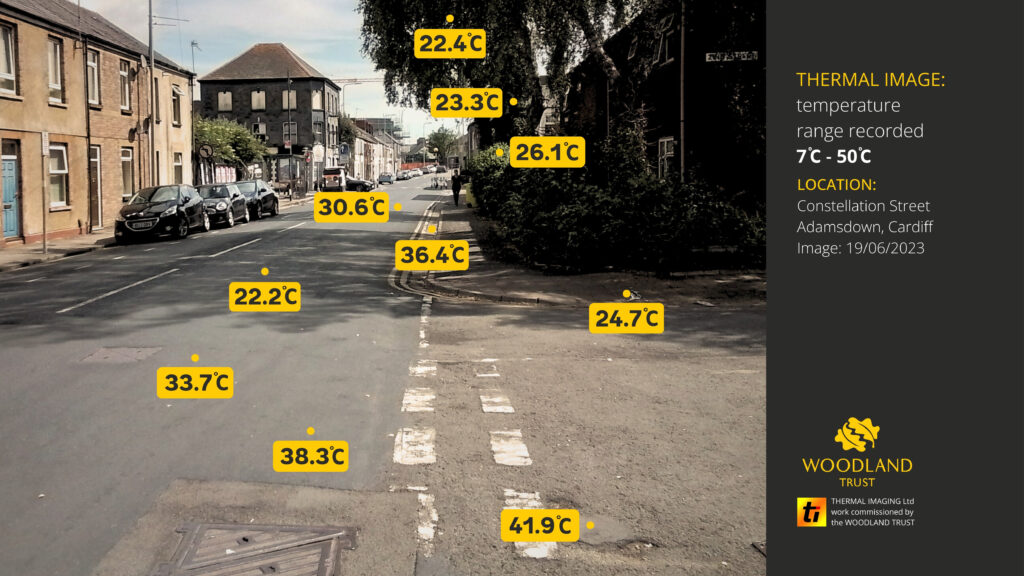
Kylie Jones Mattock, Director at Coed Cadw, said “Trees are not a luxury. They are essential infrastructure. They cool our streets during heatwaves, clean the air, help reduce flooding, support wildlife, strengthen rural resilience and improve health and wellbeing.
At a time when Wales is under pressure on so many fronts, from the NHS to the economy, we need to recognise trees for what they are: one of the smartest long-term investments we can make in a healthier, fairer and more resilient country.
This manifesto is our call to the next Welsh Government to put trees and woods at the heart of decision-making – not at the margins of it.”
Coed Cadw’s manifesto sets out four priorities for the next Welsh Government: making tree equity a national mission; securing a resilient future for Welsh farming and rural communities; protecting and restoring ancient woodland, rainforest and veteran trees as part of Wales’ living heritage; and growing the woodland economy through skills, supply chains and green jobs.
Among the charity’s key calls are long-term tree and woodland strategies for councils across Wales, stronger protection for ancient woodland and veteran trees, support for nature-rich farming through the Sustainable Farming Scheme, and investment in the skills, services and infrastructure needed to grow a stronger woodland economy in Wales.

The manifesto also makes clear that access to the benefits of trees is not equal. Communities facing the poorest health outcomes are often those with the lowest tree cover, with Coed Cadw calling for targeted action on ‘tree equity’ so that greener, healthier neighbourhoods are not determined by postcode.
Inigo Atkin, Policy & Advocacy Manager, added: “This is not just about planting more trees. It is about recognising the full value of trees to Wales – for public health, for climate resilience, for farming, for jobs, and for the quality of the places where people live. If the next Senedd is serious about building a stronger Wales for the long term, trees need to be part of that plan.”
Coed Cadw is calling on Members of the Senedd and the Welsh Government to make four key commitments – and is urging the public to add their voice. Find out more and take action here: https://campaigns.woodlandtrust.org.uk/page/184753/action/1
Support our Nation today
For the price of a cup of coffee a month you can help us create an independent, not-for-profit, national news service for the people of Wales, by the people of Wales.
Get more trusted Welsh news
Choose Nation.Cymru as a preferred source in Google News to see more of our journalism.


