


Cold snaps linked to higher death rates among older people and women in Wales – new report
Mark Mansfield
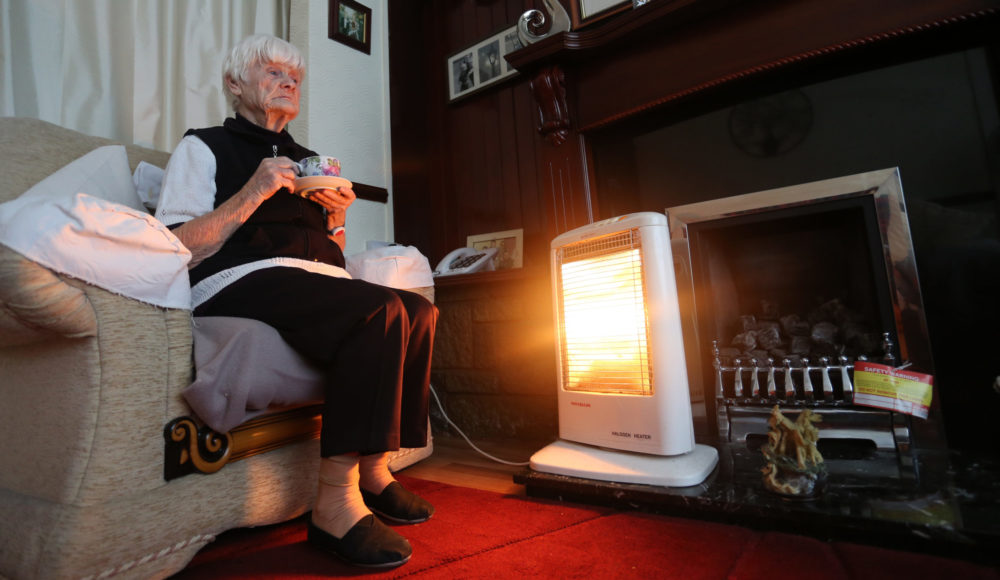
Cold weather in Wales was linked to around six additional deaths a day during winter periods of low temperatures, with older people and women appearing to be most affected, according to a new report.
The first annual report examining the impact of cold weather on health in Wales found that although the winter of 2024–25 was not unusual overall in terms of deaths, clear patterns emerged during periods of prolonged cold.
Public Health Wales said there were around six more deaths per day on cold days compared with non cold days, with the greatest number occurring among people aged 85 and over.
After adjusting for population differences, women also experienced higher daily mortality rates during cold periods, while there was no clear difference for men.
The report is intended to become part of ongoing monitoring of the health impact of cold weather in Wales, but researchers stressed it does not prove cold weather directly caused deaths and instead shows patterns in when deaths occurred.
Researchers defined a cold period as two or more consecutive days with an average temperature of 2C or below. During winter 2024–25, Wales experienced 78 days that met that threshold and five distinct cold episodes, despite the season overall being slightly milder than long term averages.
The report also examined wider health impacts using 999 calls, A&E attendance and emergency hospital admissions.
Overall emergency demand did not increase during cold spells. In fact, total 999 calls and A&E attendances were slightly lower during cold periods and hospital admissions showed no significant change.
However, some specific health issues increased.
Rates of 999 calls for cardiac or respiratory arrest were higher during cold periods, while falls increased in the days immediately afterwards. Older adults aged 65 and over recorded higher call rates for breathing difficulties, mental health concerns and episodes of unconsciousness or fainting during cold and post cold periods.
Women also showed a specific delayed effect, with a small but statistically significant increase in emergency calls related to unconsciousness or syncope following cold weather.
Climate change
Dr Behrooz Behbod, consultant epidemiologist at Public Health Wales, said the report came at a time when the health effects of weather were becoming increasingly important.
He said: “This is the first in this series of reports which looks at the public health impact of cold weather, in the context of climate change.
“While the winter of 2024–25 was marginally milder than the climatological baseline built up over 1991–2020, it is important to look at the impact of cold snaps on more vulnerable populations.”
He added that future reports should explore factors not included this time, including housing conditions, indoor temperatures, fuel poverty and ethnicity.
Support our Nation today
For the price of a cup of coffee a month you can help us create an independent, not-for-profit, national news service for the people of Wales, by the people of Wales.
Get more trusted Welsh news
Choose Nation.Cymru as a preferred source in Google News to see more of our journalism.


