


Communities urged to join Big Plastic Count to ‘push for real change’
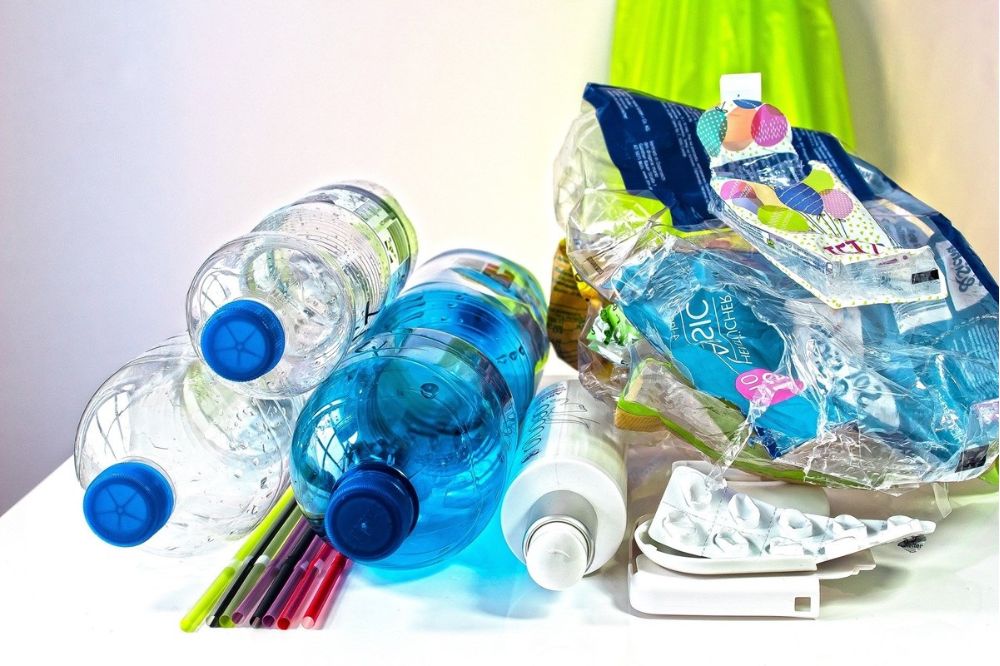
Households, schools and communities are being urged to record how much plastic packaging they throw away as part of an annual survey to show the true scale of the UK’s waste problem.
More than 38,500 people have already signed up for this year’s Big Plastic Count, which is run by campaign group Everyday Plastic.
The count, which is free and open to all, invites people to record every piece of plastic packaging they throw away for one week from March 9 to 15 and submit the results online.
Organisers say the 2026 count comes at a critical moment to test the Government’s commitment to tackling plastic waste by gathering evidence on how much is still being thrown away, and where it ends up.
Daniel Webb, founder of Everyday Plastic, said: “We’re not just counting plastic – we’re counting on the Government to act.
“The Big Plastic Count is a simple, powerful way for people across the UK to come together, show the scale of the problem, and push for real change. Households are doing their best.
“Now it’s time for the Government, supermarkets and big brands to step up.”
Once participants have submitted their results, they are given a personalised plastic profile that shows them how much they threw away and what happens to their waste.
The campaign groups say that together, the data help to build a national picture of plastic waste as evidence that will be used to push for policies that reduce production and protect communities.
They want to see ministers drive efforts to cut the amount of plastic that is made, and drive accessible, reusable alternatives – rather than only focus on boosting recycling.
In previous years, the Big Plastic Count found that most UK household plastic is burned, which can cause air pollution, affect health and compound the climate crisis.
According to the Organisation for Economic Co-operation and Development (OECD), plastic production will triple by 2060.
And research has also shown that current recycling infrastructure cannot keep up with the sheer volume of plastic being produced.
But last year, landmark UN negotiations for a global plastics treaty repeatedly failed to reach consensus amid deep dividing lines over areas such as limiting virgin plastic production and managing toxic chemicals.
Funded by the National Lottery Community Fund, the Big Plastic Count is also partnering with Global Learning London, Disability Rights UK and Keele University to ensure expertise on racial justice and disability inclusion are brought to the survey.
Organisers have also created five advisory groups in Aberdeen, Birmingham, Cardiff, Leeds and Tower Hamlets in east London to engage with community voices as part of their efforts to tackle the waste crisis.
Support our Nation today
For the price of a cup of coffee a month you can help us create an independent, not-for-profit, national news service for the people of Wales, by the people of Wales.


