


Community blighted by odour and noise problems from creamery
Richard Youle Local Democracy Reporter
People living by a creamery owned by a Gloucestershire-based company where hundreds of tonnes of milk a day is converted into pizza cheese say their lives are still being blighted by odour and noise problems.
They say the issues where they live in Aberarad, northwest Carmarthenshire, are worse in the summer and are calling for more to be done to resolve them. They are also concerned about suspected pollution incidents affecting the Afon Arad, which flows through the site.
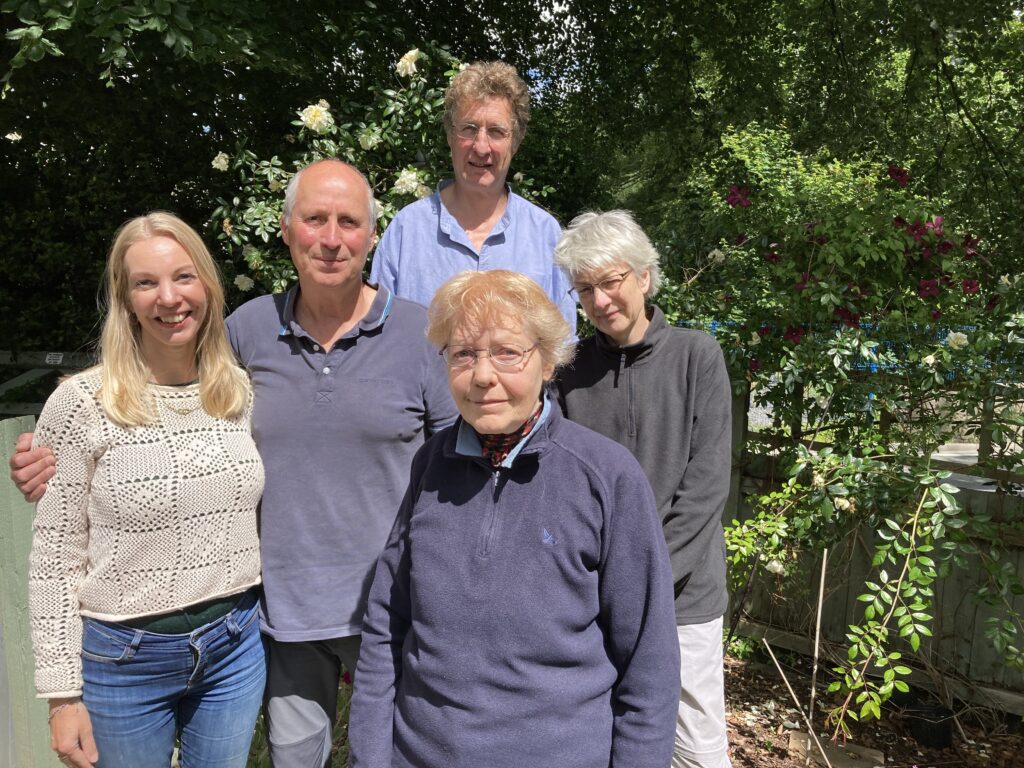
One of the residents, Jen Jones, likened the odour to a “rotting carcass” and said she felt on tenterhooks not knowing when it would happen again, although she said it had been less frequent in the past three months.
The creamery by the B4333 is owned and run by Dairy Partners Ltd, headquartered in Gloucestershire, which has a environmental permit with regulator Natural Resources Wales (NRW).
Dairy Partners said it was committed to operating safely, responsibly, and in full accordance with the permit and was planning to upgrade its sludge storage tanks and install extra emission-control technology among other things.
An NRW document called a compliance assessment report from December last year said officers had “detected distinct, strong, and offensive odours at several off-site locations and on several occasions over 2025”. It said officers described “a sewage/sludge and chemical-like smell”, which they attributed to the site’s effluent treatment plant and said Dairy Partners had explained cracks had been found in sludge tank hatches.
Another compliance report from October 2025 said it was “imperative that Dairy Partners take prompt and proactive steps to address noise emissions”. It referred to a noise impact report which indicated that “site activities are likely causing a significant adverse impact” but NRW also said the company was showing a commitment to dealing with the issue such as installing a chiller compound roof with acoustic panels.
NRW also published a compliance report last September which said Dairy Partners has had “several historical water pollution incidents which has resulting in contaminated material entering the River Arad”, the most recent being in May 2025, and that it was considering enforcement action.
An action group representing around seven households closest to the Dairy Partners site was formed in 2019 and members have previously spoken to the Local Democracy Reporting Service about their concerns.
Mrs Jones and her husband Brian said the creamery was smaller when they moved into their house in 2001 before two large sheds were built close to the boundary by the site’s previous operator.
They said what had been the “occasional smell” had got worse over the past seven or so years and that they could hear constant extractor fan noise – more so in the summer.
Referring to the smell Mrs Jones said: “It’s like a rotting carcass. If people come round for a barbecue and it happens you have to abandon it. A friend of mine who’s a GP came round when it was bad and said: ‘Good God.’
“I always feel on tenterhooks hoping that finally it’s better. The last two years have been really bad for odour. In the last three months it’s been less frequent but it’s still an issue.”
Asked how long the smell lasted for she said it could be as little as 20 minutes depending on the wind direction but that when it appeared “it permeates everything”. She added that it was different to a farmyard smell having grown up on a farm herself.
Referring to the extractor fan noise Mr Jones said: “I like to sleep with the windows open but I haven’t for years.”
Stephen Rees, also from the Arad Community Action Group, moved into his house in 2018 and said odour could “just sit” depending on weather conditions and that he and his wife had to sleep in a different bedroom when they noticed a bad smell on the first day of the recent spring bank holiday. “We have asked NRW about the biological and chemical content of the smell,” he said.
Another group member, Megan Ceiriog-Jones, said noise from tankers delivering liquid natural gas to the site affected her property despite sound-dampening panels being installed on fence at the creamery and that loud venting sounds, while not common, happened out of the blue.
She and Mr Rees addressed Carmarthenshire Council’s planning committee in 2024 when it approved Dairy Partners’ retrospective application to retain effluent and cleaning tanks it installed without consent, saying she and others weren’t able to enjoy their homes due to a “foul stench” and that “the effects of noise and sleeplessness were hard to quantify”.
None of the action group want the creamery to close or jobs to be lost. Another member, Susannah Oliver, said: “Take the effects of the factory out and we love living here.”
But they felt they were experiencing a statutory nuisance that authorities including the council should do more about with NRW in their view the most responsive and communicative.
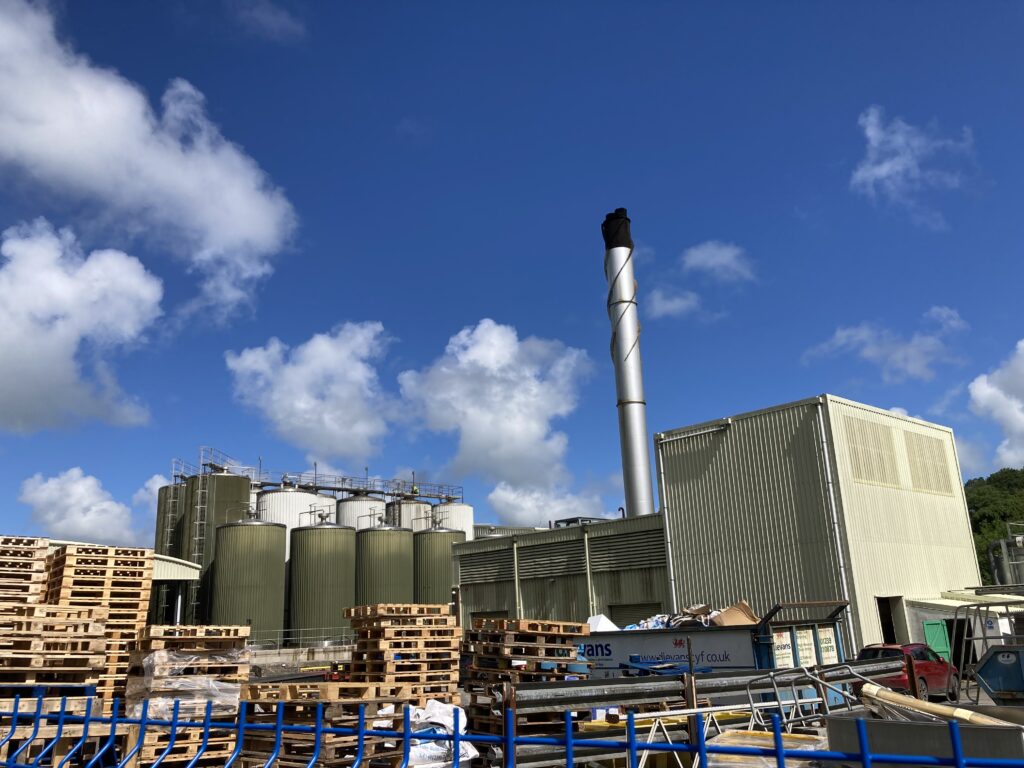
Speaking in 2024 the creamery’s director Steve Welch, of Dairy Partners, said it served a growing market and wanted to be good neighbours. He said cheese had been made at the creamery since 1938 and that it had been “on its knees” when Dairy Partners took over in 2013 and began investing and increasing production.
Milk from dairy farms is turned into 2.5kg blocks of mozzarella cheese with the separated whey sent to another company where it’s dried and sold in powdered sports nutrition products. Cream is also produced at the Aberarad site. Dairy Partners has previously said it installed the effluent and cleaning tanks without consent in 2020 because its previous waste system was failing, required up to 28 tanker movements per week to remove the waste sludge.
In a statement this week Dairy Partners said it was “committed to operating safely, responsibly, and in full accordance with our environmental permit” and worked closely NRW. It said some of the matters raised related to ongoing regulatory discussions and correspondence with the regulator.
“For that reason it would not be appropriate to comment on individual allegations, complaints, or specific incidents,” it said. “What we can say is that we continue to make significant investments to further improve our environmental performance and strengthen our operations. Protecting the environment is a key priority for Dairy Partners.”
It said it was spending £1m on a protective bund around the site and making other improvements on top of around £2m spent on wastewater treatment facilities. “These improvements will provide additional environmental safeguards, improve operational resilience, and deliver wider flood-risk benefits for the local community,” it said.
Dairy Partners said it supported more than 100 dairy farms within 50 miles or so of the site and employed more than 90 local people.
The company has applied to NRW to vary its permit. A summary of the application said more than 850 tonnes of milk was processed per day at the creamery and that two 32,000-litre steel sludge tanks would replace the existing polypropylene ones next year, along with a new pumping system, if the variation was approved. This, it said, would “reduce the risk of odour escape and uncontrolled emissions”.
NRW said it carried out site visits and also reviewed Dairy Partners’ management plan updates and monitoring returns. Some warning letters were issued, it said, following “non-compliances” last year.
The regulator said it was aware of ongoing concerns relating to odour, noise, and the risk of water pollution from the site and that significant effort continued to be directed at addressing these issues.
A two-day audit focusing on the creamery’s effluent treatment plant, which NRW said had several potential odour sources, took place this April. It found Dairy Partners demonstrated a good level of understanding of the process but said some improvements were required.
NRW also visited the creamery after an Afon Arad pollution report in May 2025 and said a subsequent compliance assessment report was not publicly available due to ongoing enquiries into suspected permit breaches. Similarly NRW said it couldn’t comment on other specific suspected pollution incidents while these remained under investigation or pending an enforcement outcome.
NRW said Dairy Partners needed to complete certain actions to achieve compliance with aspects of their permit and improve their environmental performance. It was not uncommon for the resolution of non-compliances to take time, said NRW, during which period an operator may be in breach of permit conditions.
Carmarthenshire Council said it took all noise and odour complaints seriously. Cllr Aled Vaughan Owen, whose cabinet role includes public health, said: “We have received complaints from local residents, including the Arad Community Action Group, and have carefully considered these in line with our statutory duties and investigation procedure.
“At the Dairy Partners site NRW is the primary regulator through the environmental permitting regime including the control of emissions such as odour. Residents are also welcome to contact us directly but will need to follow our investigation procedure before further action can be considered, which will involve completing nuisance logs.
“It’s important to highlight that formal action can only be taken when sufficient evidence indicates the presence of a statutory nuisance and, currently, the council does not have evidence to support this type of action.”
Support our Nation today
For the price of a cup of coffee a month you can help us create an independent, not-for-profit, national news service for the people of Wales, by the people of Wales.
Get more trusted Welsh news
Choose Nation.Cymru as a preferred source in Google News to see more of our journalism.


