


Concerns raised about the potential closure of a specialist end of life care unit in the Valleys
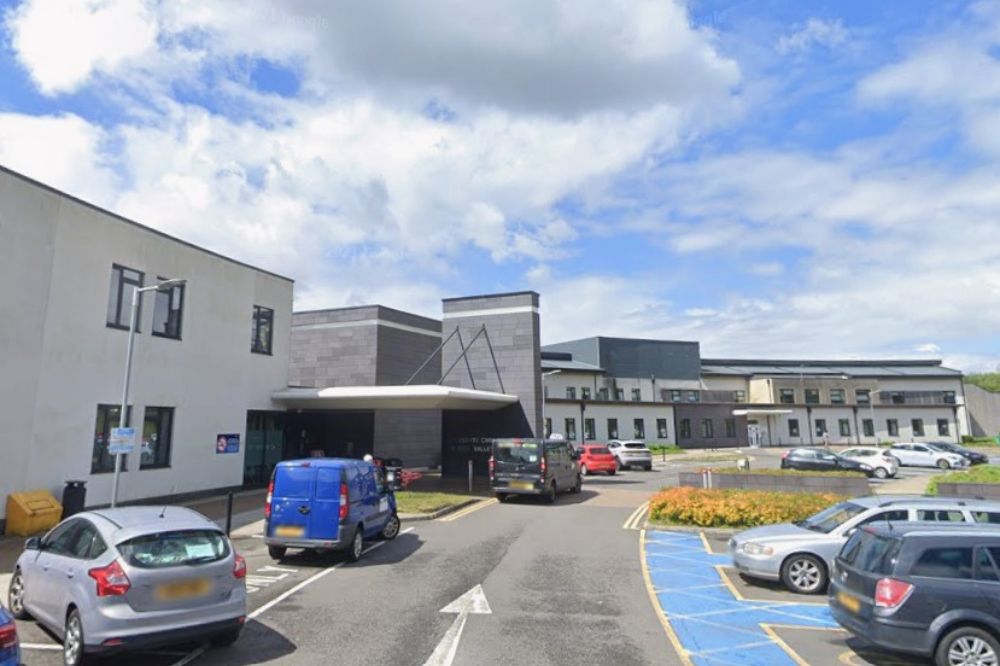
Concerns have been raised about the potential closure of a specialist end of life care unit in the Valleys.
In a letter to Cwm Taf Morgannwg Health Board, Merthyr Tydfil Council leader Councillor Brent Carter expressed “serious apprehension” about the proposals being considered relating to specialist palliative care (SPC) services within Cwm Taf Morgannwg, particularly the proposal affecting ward six at Ysbyty Cwm Cynon.
He was writing on behalf of councillors from across the political spectrum at Merthyr Tydfil Council who have received concerns from residents about the proposals which would see the closure of the unit at Ysbyty Cwm Cynon in Mountain Ash with units in Y Bwthyn at the Royal Glamorgan in Llantrisant and Y Bwthyn Newydd at the Princess of Wales in Bridgend kept open.
The proposals also include using resources to support specialist palliative care in other areas such as in the community through Hospice@Home, community hospitals providing end-of-life care with support from specialist services and acute hospitals developing rapid access to end-of-life care for discharge home and increasing support for general wards.
Cllr Carter said: “We believe there are substantial risks associated with the removal of local SPC inpatient provision and strongly urge the health board to reconsider.”
He mentioned the impact on local access to care saying the proposal to centralise specialist inpatient care to the Royal Glamorgan and Princess of Wales hospitals would leave the Merthyr and Cynon Valleys without local specialist palliative care beds.
He said: “Patients and families would face increased travel at a time when proximity, continuity, and emotional support are essential.”
He also mentioned the loss of a high-quality, trusted service saying: “Ward 6 is widely recognised for delivering compassionate, skilled end-of-life care. It has long been valued by patients, families, and the wider community as a model of person-centred specialist support.”
He also mentioned the increased burden on families and carers saying: “While home-based care is important, it cannot replace inpatient specialist provision for individuals with complex or unstable symptoms. Removing the ward risks placing undue pressure on families who may lack the capacity or resources to provide intensive care at home.”
He went on to talk about concerns over staffing-driven decision-making saying: “Reports indicate that changes may be driven by staffing challenges rather than clinical need, as specialist provision at ward 6 has been paused due to medical workforce shortages. Such operational issues must be addressed, not used to justify withdrawing essential local services.”
And he said there has been strong community opposition with more than 3,000 residents having supported petitions calling for specialist palliative care to be retained locally, demonstrating “clear public concern and a strong mandate for preserving ward 6.”
He said the council is asking the health board to reconsider any proposal that permanently removes specialist palliative care beds from Ysbyty Cwm Cynon, prioritise recruitment and retention to restore consultant-led SPC locally and ensure community-based expansion complements, rather than replaces, inpatient services.
He said: “The people of Merthyr Tydfil and surrounding areas, deserve fair, compassionate, and accessible end-of-life care.
“Retaining specialist provision locally is essential to ensuring dignity and support for our most vulnerable residents.”
A spokesperson for Cwm Taf Morgannwg University Health Board, said: “Demand on our adult specialist palliative care teams is increasing, and we need to redesign our services so they are sustainable and able to support more patients in the community.
“Evidence shows that most people at the end of life would prefer to be cared for, and to die, at home or closer to home.
“Our specialist palliative care teams provide vital support, not only within our specialist units, but also by offering expert advice to acute hospitals, GPs, and community teams, as well as helping patients remain in their own homes.
“We want everyone to have fair access to high‑quality specialist palliative and end‑of‑life care, support, and advice, delivered in a way that respects individual choices and needs.
“We are engaging with, and listening to, our communities to help shape the future of specialist palliative care, ensuring it is fairer, more sustainable, and better focused on supporting people with the most complex needs, while strengthening end‑of‑life care within the community.”
Support our Nation today
For the price of a cup of coffee a month you can help us create an independent, not-for-profit, national news service for the people of Wales, by the people of Wales.


