


Conservation charities call on Senedd to add swift bricks to all Welsh new builds
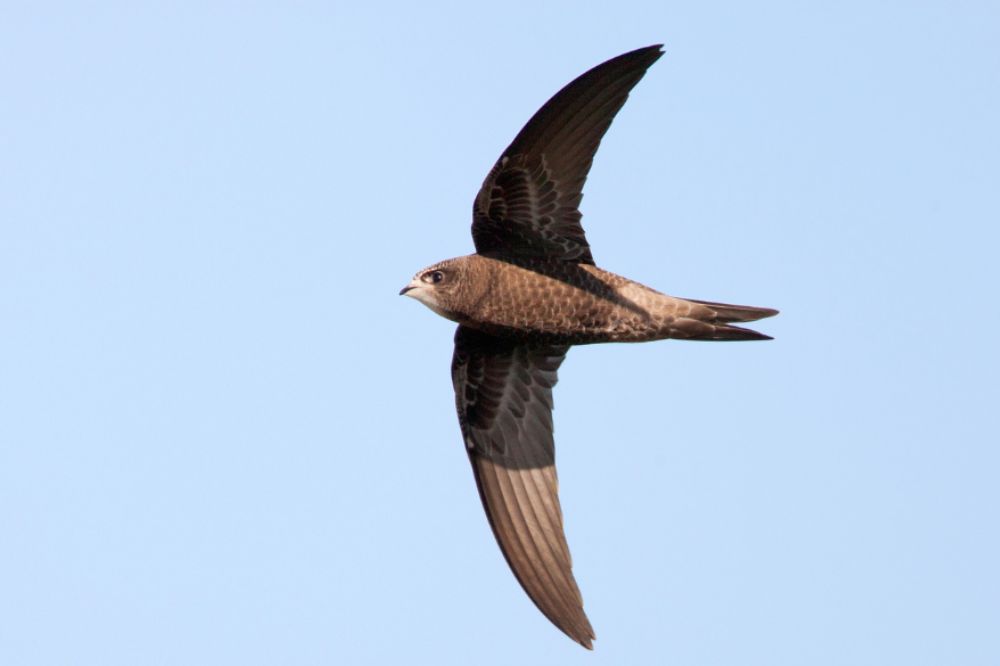
RSPB Cymru and Wildlife Trusts Wales, along with the Welsh Wildlife Trust’s Youth Forums and local swift groups, are calling on Senedd Members to show their support for swifts in next week’s debate.
The debate is on introducing swift bricks to all new buildings in Wales as a measure to help reverse the staggering decline in Swifts in Wales.
The debate, expected to take place in the Siambr on October 1, follows a petition launched by Julia Barrell, which saw overwhelming support with over 10,000 signatures from the public.
The petition calls for a requirement for swift bricks – specially made bricks with cavities for nesting birds – to be installed in all new building projects in Wales, providing this unique bird with ample suitable nesting opportunities.
Decline
Julian Hughes, Head of Species, RSPB Cymru said: ‘People around Wales care about swifts. They’ve come together in cities, towns and villages to take action, build and install nestboxes, monitor numbers and raise awareness. They’re doing a brilliant job but cannot do it alone.
“Welsh Government and local authorities need to play their part. Swift bricks are by no means the biggest ask by nature of government, but it is among the simplest and could help ensure our summer skies are filled with screaming Swifts for future generations to enjoy’.
Swifts are the fastest birds in level flight on the planet, capable of more than 100km/h.
They sleep, eat, drink and mate on the wing. And while half of their time is spent in the African rainforests every year, they migrate to the Northern Hemisphere to nest, lay eggs, and raise their young.
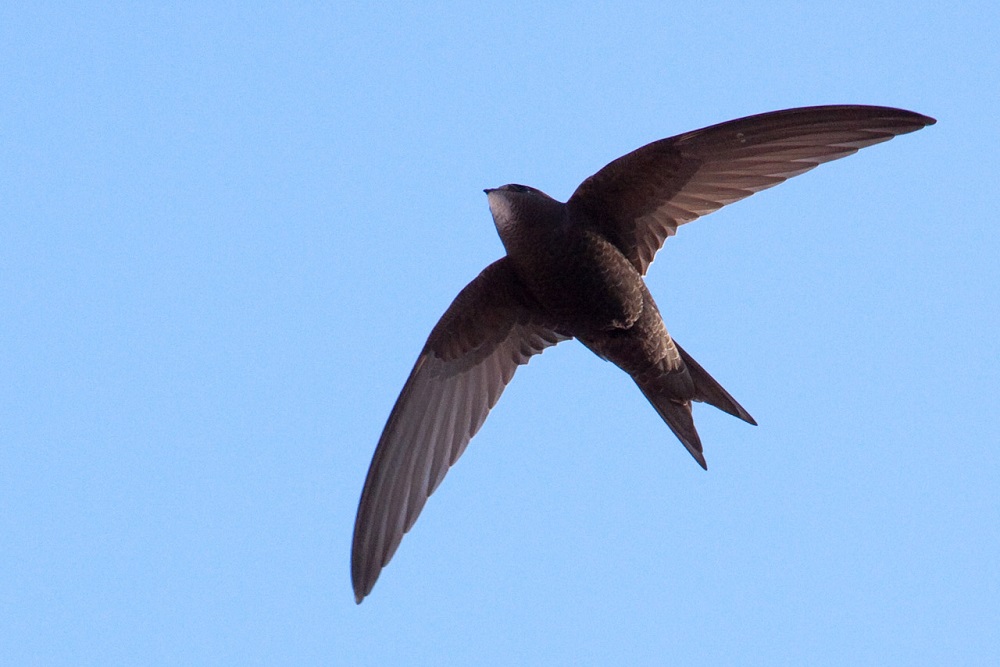
Swifts nest almost exclusively in the cavities of buildings, often just below the roofline or under tiles. Renovations make them homeless and newbuilds rarely offer artificial cavities – and with nowhere to go when they arrive in Wales, their numbers are declining – fast.
Swift numbers have collapsed dramatically in the last 30 years, with a 76% drop in their Welsh population since 1995, with the steepest decline in the last decade.
Among other factors contributing to this devastating decline is nest site loss – and Swift bricks are a cheap, easy and unintrusive way of reversing this habitat loss.
Hope
Ben Stammers, People and Wildlife Officer, North Wales Wildlife Trust said: “North Wales Wildlife Trust has been working for Swift recovery for the last 10 years.
“We believe mandating swift bricks in new buildings is a vital measure in addressing the decline of Swifts and preventing their disappearance from our communities.
“Working with local communities, in villages and towns across North Wales, we’ve witnessed first-hand the joy that Swifts bring to people’s lives. This proposal would offer future generations the chance to experience that joy.”
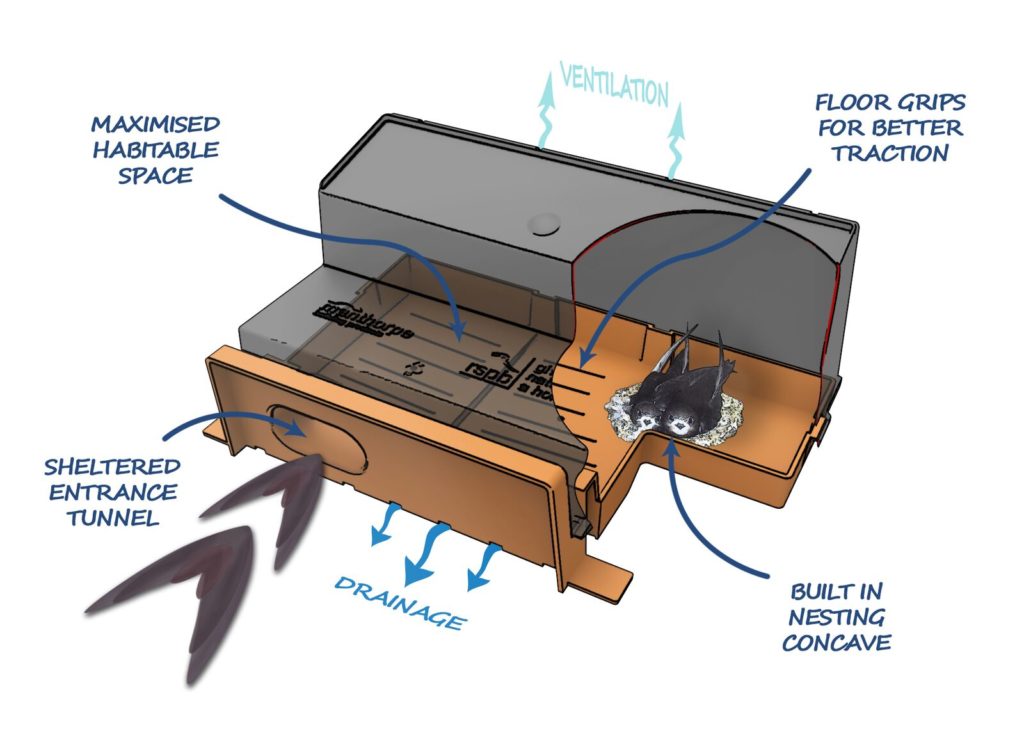
Swift bricks can be the width of a house brick, manufactured to BSI standard with a nesting cavity behind, and can cost as little as £25.
They can easily be incorporated into construction plans, as demonstrated by several house-building firms who have already been constructing properties for housing associations in Wales. The bricks have one entry point and therefore do not allow birds access into the buildings of which they are a part of.
Joining in the campaign are the Welsh Wildlife Trusts’ Youth Forum, who are determined to make young voices heard in this attempt to reverse Welsh Swifts’ fortunes.
Communities have also come together in cities, towns and villages to take action, build and install nestboxes, monitor numbers and raise awareness. This includes fourteen community organisations in Wales that are working to help swifts in their local area.
The Welsh Government says: “New development proposals are required to achieve a net benefit for biodiversity as stated in Planning Policy Wales and Future Wales.
“Whilst we acknowledge that swift bricks are good examples of enhancement measures, there is a danger that these could cloud the picture in terms of wider appropriate net benefits or become the only things which may be done when proposing new development.
“We need to ensure that the right mix of appropriate measures are incorporated in the right place, with the benefit of professional ecological advice where appropriate.”
Support our Nation today
For the price of a cup of coffee a month you can help us create an independent, not-for-profit, national news service for the people of Wales, by the people of Wales.



Swifts eat insects. Dragonflies, butterflies, moths, flies, ants, aphids, wasps and spiders. They are migratory. The threat is not lack of places to nest. It is lack of food in the spring when they arrive from Africa and rear young and in the late summer when they fatten for back migration. It is the lack of insects to feed on that has caused decline and this is due to use of insecticide in arable agriculture. A wildflower garden and diverse hedgerows will not only increase the food source but also bio-diversity for other species too. Consuming countryside with new build… Read more »