


Conservationists give Seabird Conservation Strategy for Wales cautious welcome
A Seabird Conservation Strategy for Wales has been published by the Welsh Government, prompting a cautious welcome from conservationists after a seven-year campaign for action.
The strategy is intended to provide a national framework for safeguarding seabird populations, focusing on habitat protection, tackling key pressures and encouraging collaboration between government bodies, conservation organisations and industry.
Campaigners say its publication marks a significant milestone, recognising both the scale of the crisis facing seabirds and Wales’ global responsibility for their protection.
Seabirds are now the most threatened group of birds worldwide, with 62 per cent of UK seabird species currently in decline.
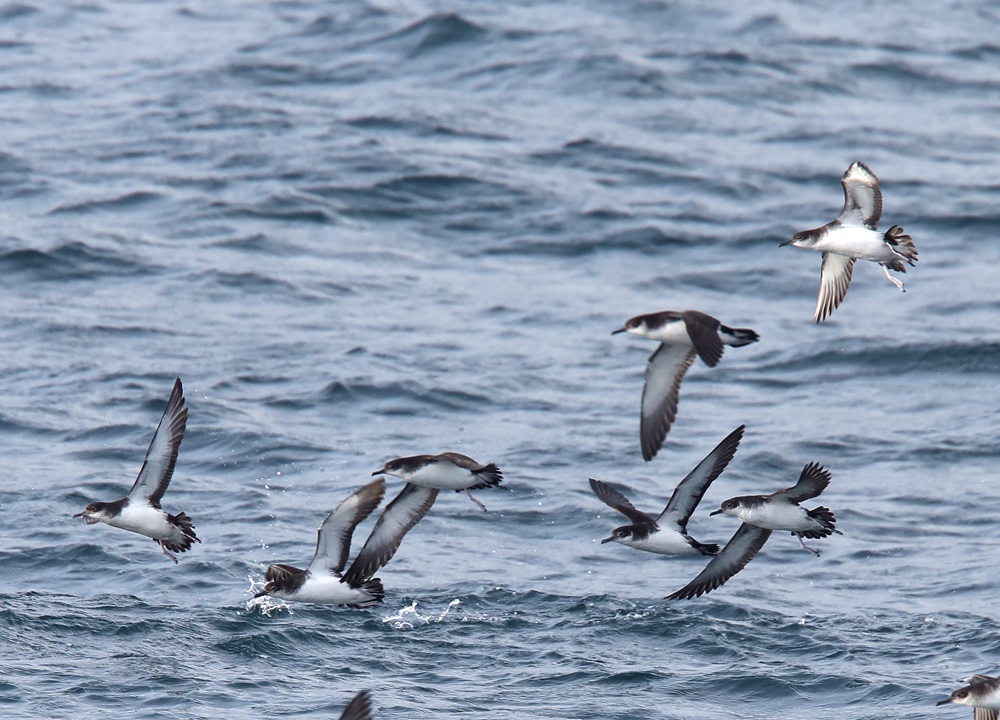
Wales plays a crucial role in their survival, hosting internationally significant colonies. More than half of the world’s Manx shearwaters breed on Welsh islands, nesting in underground burrows. Grassholm Island in Pembrokeshire supports one of the largest gannet colonies on the planet, while the UK’s largest Arctic tern colony is found on the Skerries, off the coast of Anglesey.
Despite this importance, seabirds populations in Wales face mounting pressures.
Climate change is altering food availability and breeding conditions, while poorly sited offshore developments, habitat loss and predation by invasive non-native species continue to threaten fragile colonies.
Recent outbreaks of Highly Pathogenic Avian Influenza have also had a devastating impact on seabird numbers.
RSPB Cymru, which led the long campaign for a national strategy, has welcomed the publication but warned that the document does not go far enough.
The charity is concerned that the strategy does not adequately address future threats and lacks a dedicated funding plan to ensure its actions can be delivered effectively.
First step
Emily Williams-Slater, Senior Marine Policy Officer at RSPB Cymru, said the strategy was an important first step but stressed that urgency was still needed. “We welcome the publication of this long-awaited strategy and are glad that the Welsh Government recognises the peril that seabirds are facing, as well as Wales’ importance to them,” she said. “But the truth is that nature can’t wait. We must build upon this first step as a matter of urgency if we are to reverse the devastating losses we’ve seen in seabird populations.”
The organisation says the strategy demonstrates the impact of sustained public pressure and collaboration across the sector, but insists it must now be strengthened and properly resourced.
Tamsin Davies, RSPB Cymru Campaigns Officer, paid tribute to campaigners who pushed for its publication. “It’s been a long road to get here,” she said.
“While this is a positive step forward, there is still more to do to ensure the strategy is robust, future-proofed and backed by secure funding, so we can be confident Welsh seabirds have a brighter future.”
Support our Nation today
For the price of a cup of coffee a month you can help us create an independent, not-for-profit, national news service for the people of Wales, by the people of Wales.


