


Conservatives call for ethics probe into Angela Rayner’s tax affairs
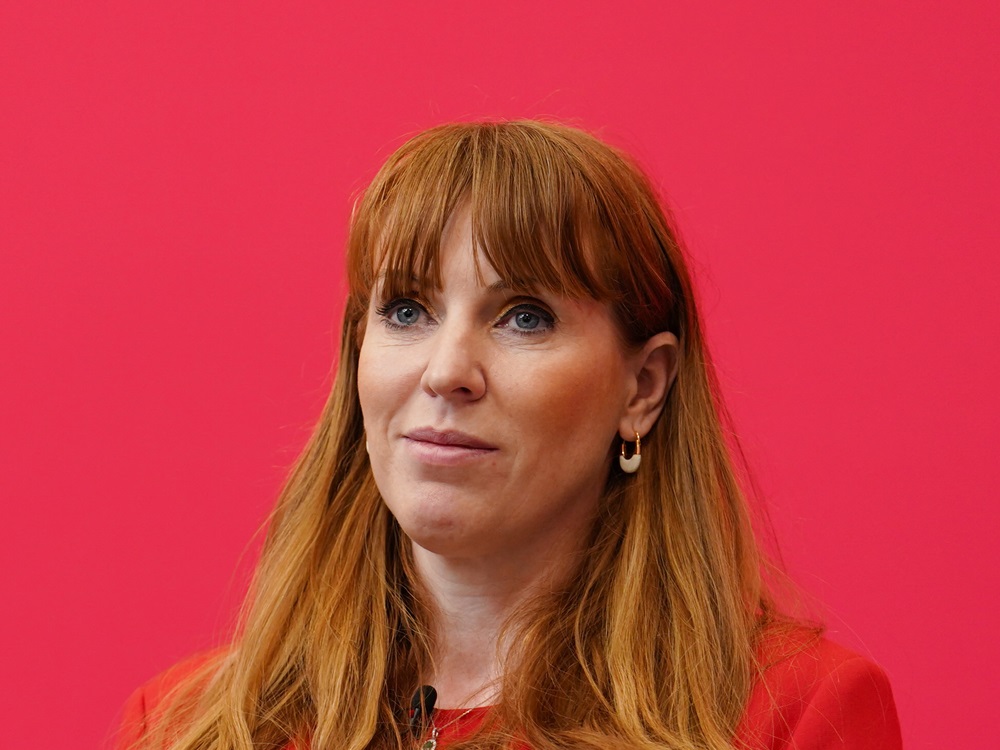
Deputy Prime Minister Angela Rayner should face an ethics inquiry over her tax affairs, the Conservatives have said.
The Telegraph newspaper claimed that Ms Rayner, who is also the Housing Secretary, saved £40,000 in stamp duty on a second home she bought in Hove for £800,000.
This was because she removed her name from the deed to a family property in Greater Manchester, the newspaper reported.
However, Ms Rayner also previously suggested the Greater Manchester home remained her primary residence, according to the Telegraph, saving some £2,000 in council tax on her grace and favour home in central London at Admiralty House.
Conflicting reports
The Conservatives have referred Ms Rayner to the Prime Minister’s independent adviser on ministers’ interests as a result of the conflicting reports.
Stamp duty is a tax paid in England and Northern Ireland, when someone buys a property over a certain price.
Ms Rayner paid £30,000 instead of £70,000 on her Hove second home as a result of removing her name from the deed to the home in Ashton-under-Lyne, the Telegraph said.
Ethics adviser Sir Laurie Magnus assesses whether senior elected officials within the Government have breached the ministerial code.
In a letter to Sir Laurie, Conservative party chairman Kevin Hollinrake described Ms Rayner’s arrangements as “hypocritical tax avoidance, by a minister who supports higher taxes on family homes, high-value homes and second homes”.
As Housing Secretary, Ms Rayner is responsible for overseeing council tax and housing policy.
‘Contradictory’
Mr Hollinrake said the statements the Deputy Prime Minister had given on her residency were “contradictory”, but conceded she had broken no laws.
As he called for an investigation into her tax affairs, the Tory chairman said: “She is paying second homes council tax to Brighton and Hove council on a property that she tells HMRC is not a second home.
“This may be lawful, but it is inappropriate tax avoidance for a minister subject to higher standards of conduct.”
The Tories have also written to Tameside council, the authority that covers Ms Rayner’s Greater Manchester home, asking the authority to strike her from the electoral register if the property is no longer her primary residence.
A Cabinet Office spokesman said Ms Rayner “has followed advice on the allocation of her official residence at all times”.
A statement provided by the Deputy Prime Minister’s team to the Telegraph said: “The Deputy Prime Minister paid the relevant duty owing on the purchase of the Hove property in line with relevant requirements and entirely properly.
“Any suggestion otherwise is entirely without basis.”
Ms Rayner divorced her husband and ceased to own a stake in the Greater Manchester home some time ago, according to the Telegraph, and she still considers it her primary residence because her children live there.
Support our Nation today
For the price of a cup of coffee a month you can help us create an independent, not-for-profit, national news service for the people of Wales, by the people of Wales.



Only there isn’t an issue from what I can see. The cons know this. The cons are silent on all the Tory members with extra homes and very quiet when they lobbed loot to people in the VIP lane during covid. Telegraph and the mail doing their bit as usual attacking women they don’t like. Press in the country need Levenson II and a clear out of non dom and foreign owners.
It would be very reasonable to pass a law requiring all media to be majority owned by tax resident UK citizens.
Tax her second home hard!