

Coroner warns of persistent ambulance delays in Wales after woman dies
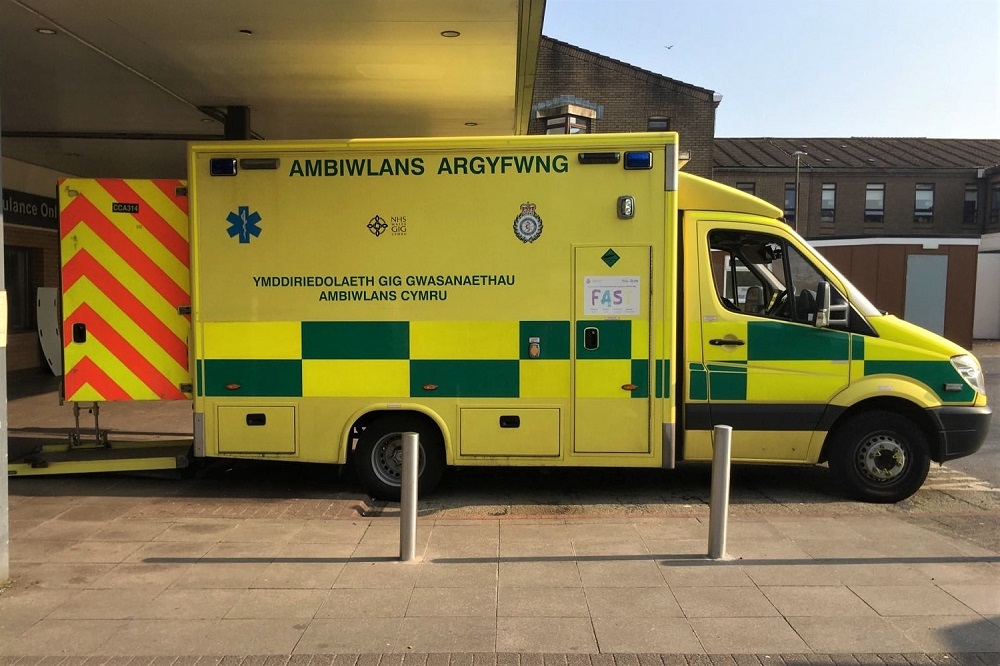
A coroner has raised concerns over persistent ambulance delays in Wales after a 39-year-old woman died last year after multiple 999 calls were made but not attended.
Senior coroner for North Wales (East and Central) John Adrian Gittins said he and other coroners have voiced concerns “for many years” over ambulance delays, adding “problems regarding the unavailability of resources persist” at Welsh Ambulance Services University NHS Trust (WAST).
In a prevention of future deaths report after the death of 39-year-old Heather Louise Parkhill, the coroner warned “there is a risk that future deaths will occur unless action is taken”.
Mrs Parkhill died more than 15 hours after a first 999 call seeking help for her was made in the evening of April 8 2025 but not attended due to a lack of resources at the ambulance service, the report found.
Several other calls were made the next morning but not attended until a final call at 10.41am resulted in an intervention, but despite resuscitation efforts from the first responder at the scene Mrs Parkhill was pronounced dead.
Concerns
Mr Gittins said: “For many years, myself and other coroners have raised concerns regarding so called “ambulance delays” and I recognise that the challenges faced by WAST around the availability of resources are the result of multifactorial issues, however problems regarding the unavailability of resources persist.
Statistics from the Welsh Government for April 2025 show just under 51% of attended red calls – corresponding to immediately life-threatening clinical needs – resulted in intervention at the scene within eight minutes.
The target set by the Welsh Government was to reach 65% of red calls across Wales within this time.
The data shows just over 81% of red calls attended were within 15 minutes in April 2025 and around 98% within 30 minutes.
The majority (69%) of ambulance calls in April 2025 were categorised as amber, for serious but not immediately life-threatening clinical needs.
Some 23,087 amber calls were made across Wales during that month, compared to 5,187 green calls – for neither serious nor life-threatening needs.
In July 2025, two new response categories were introduced to replace the previous red one, with purple for cardiac and respiratory arrests and red for major trauma and cases where patients are at risk of cardiac or respiratory arrest if they do not receive help rapidly.
In December, three new categories replaced the previous amber and green categories – orange for serious conditions, yellow for people who need to be assessed first and green for less urgent calls.
Mr Gittins wrote in his report that Mrs Parkhill died on April 8 2025 of fatty liver disease “associated with the chronic excessive consumption of alcohol”, but added “neglect” contributed to her death.
The coroner said evidence shows an earlier ambulance response, even 20 or 30 minutes prior, “would probably have prevented this death”.
He added: “Her death was the result of a terminal event arising from a condition associated with the chronic excessive consumption of alcohol, but it is probable that the death would have been prevented by earlier medical intervention, although none was available.
Sincere condolences
Liam Williams, executive director of Quality and Nursing at the Welsh Ambulance Service, said: “On behalf of everyone at the Welsh Ambulance Service, I want to express my sincere condolences to Mrs Parkhill’s family.
“While we cannot change the outcome, we are an organisation committed to learning and are grateful to the coroner for his examination of this case and accept his findings and the prevention of future deaths report, which we take very seriously and will respond to in due course.
She added: “Since Mrs Parkhill’s death, we have been working with Welsh Government to change the way 999 calls are categorised so that more people get life-saving help when they need it, however, it is critical that our crews are available to respond when they are needed.
“Together, these improvements will free up additional ambulance capacity so we can respond more quickly to those who need us most.
Support our Nation today
For the price of a cup of coffee a month you can help us create an independent, not-for-profit, national news service for the people of Wales, by the people of Wales.


