


Council braces for wave of speculative planning bids after development plan scrapped
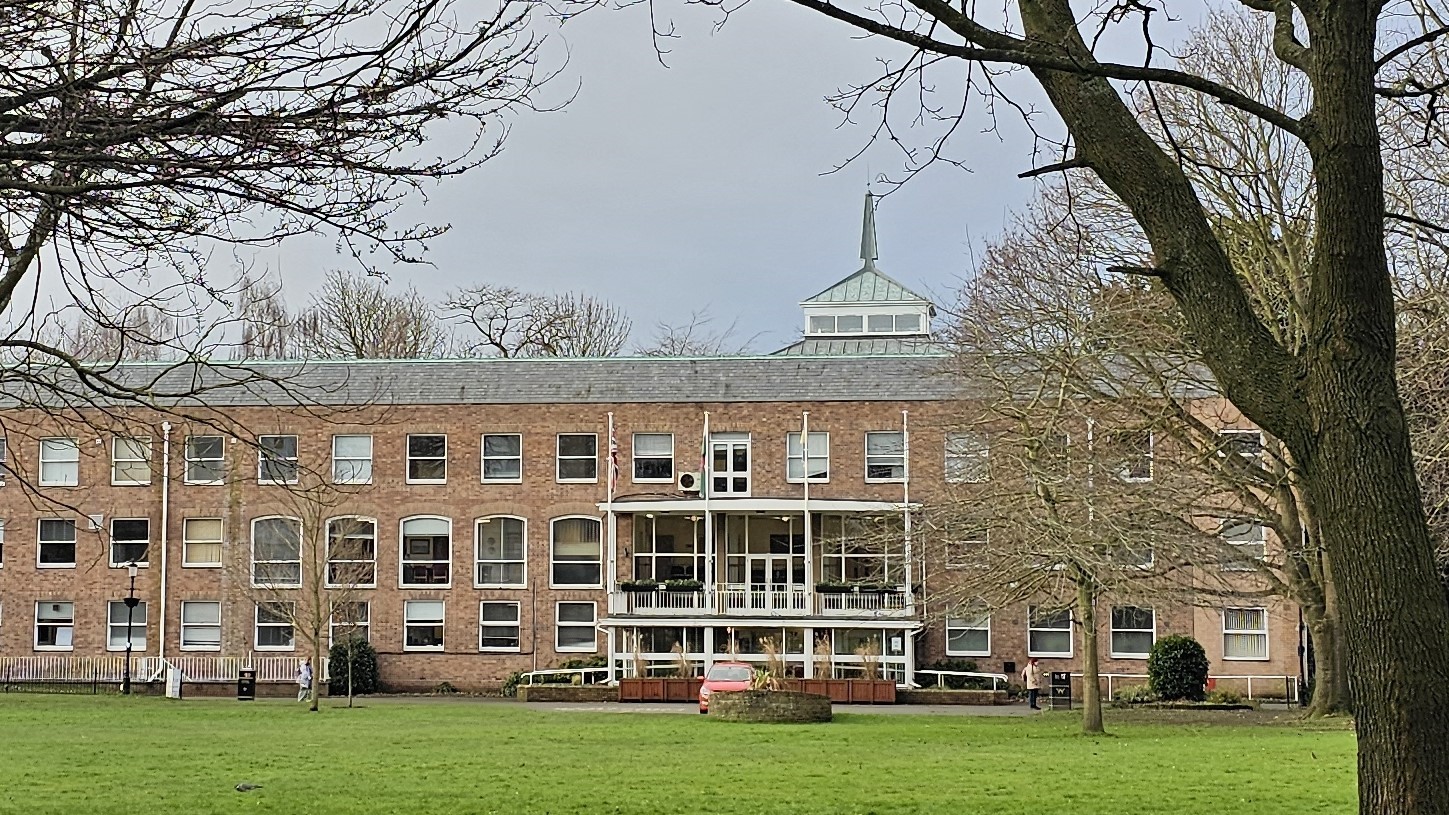
Alec Doyle, Local Democracy Reporter
A council’s planning committee must brace for a series of speculative development applications and appeals as the uncertainty over its Local Development Plan goes on.
Wrexham councillors who challenged the LDP in the High Court amid concerns over allocated land for a number of super-estates celebrated a victory earlier this year when the Welsh Government formally advised that the plan be withdrawn.
But on Monday (April 13) the planning committee heard that despite no longer having to consider the LDP, the reports it was based on would continue to have a significant influence on decision-making.
That’s because the fall-back option – Wrexham’s Unitary Development Plan – was adopted in 2005 and expired in 2011 and is therefore significantly out of date.
“The Minister has made a decision on the LDP which is it has been quashed, it has no place or reference in this council any longer,” said Wrexham Council leader Cllr Mark Pritchard.
“Are you saying that officers will take reference from previous decisions made with regards to the background papers?” he asked Matthew Phillips, senior planning officer.
The only other planning policy that the council can rely on is the Future Wales strategy. But this national policy is high-level and sets out national housing need.
According to officers that opens the door for developments that deliver the volume of homes that Welsh Government require at a national level without specifying where those developments should go.
Councillors on the committee still have the power to veto plans, but if planning committee unreasonably dismisses the evidence in those LDP reports, the authority could face cost awards from Planning and Environment Decisions Wales (PEDW).
Senior planning officer Matthew Phillips said Cllr Pritchard’s assumption was correct – evidence used to support the LDP would continue to be used in planning despite the LDP being withdrawn.
“The UDP is so out of date,” he said. “It’s the oldest development plan in Wales – in terms of mainland Britain it’s the second oldest. There’s only one authority in England who has a development plan that’s older as far as I’m aware. That is a problem and it will make decision making more difficult going forward.
“There will be cases where the UDP is out of date, where Future Wales doesn’t set out detailed allocations or where locations of development take place and in that vacuum the LDP evidence base – it’s more up to date than the UDP in every way.
“Those background papers will be being referenced by officers in certain circumstances, but they will also be being referenced by planning inspectors.
“If we start to rack up the costs awards, it will be because planning inspectors have considered our actions unreasonable. That’s not to say that the members can’t go against decisions or rather recommendations that officers make, but there has to be valid reasons to do so.“
Committee chair Cllr Mike Morris said the authority should be ready to face a year of appeals and speculative planning applications as developers test the water and planning officers work out what the true effect of the LDP withdrawal is on PEDW’s decisions.
“Going forward it’s anybody’s guess because what we’ve got is uncertainty, ” he said. “We might find that there’s an increase in speculative applications coming forward, because Future Wales doesn’t talk about sites, it talks about requirements for North East Wales.
“So it will be a case of challenges on appeal and how they’re handled and how we have to react to that.
“It is complex and not easy. The policies in the LDP are not referred to – new settlement limits, all that has gone. But the actual evidence base that was used to prepare that plan may still be valid.
“Whether you accept it as a committee if it comes here is a different matter.”
Support our Nation today
For the price of a cup of coffee a month you can help us create an independent, not-for-profit, national news service for the people of Wales, by the people of Wales.
Get more trusted Welsh news
Choose Nation.Cymru as a preferred source in Google News to see more of our journalism.


