

Council defends £1.1m solar farm sale amid criticism
Nicholas Thomas, Local Democracy Reporter
A council made a £1.1 million profit from the sale of a large-scale solar farm project, the local authority has confirmed, prompting questions over whether it should have retained ownership.
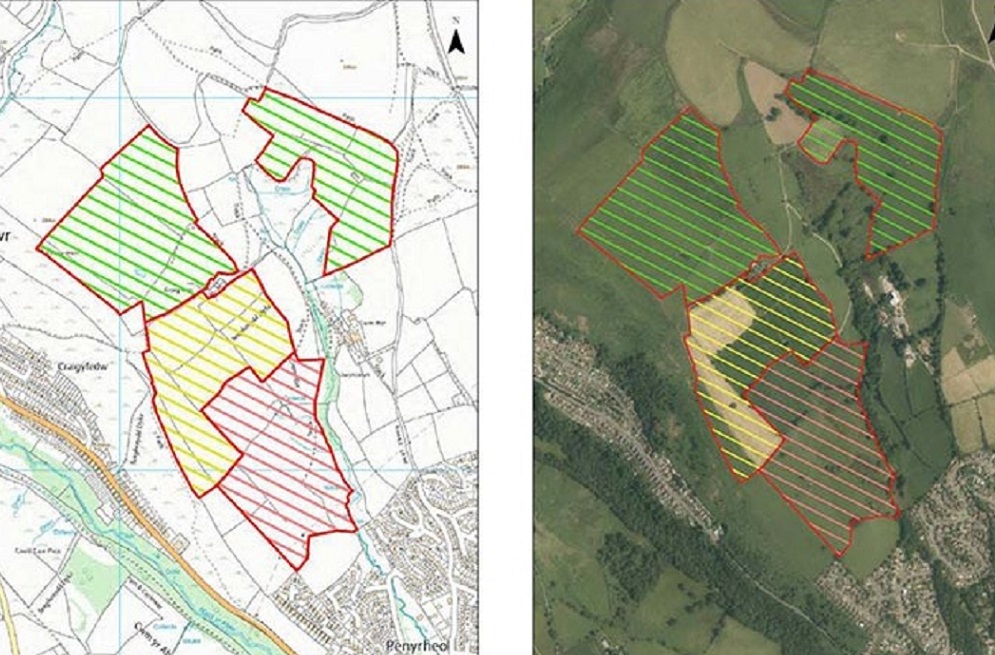
The 20-megawatt solar farm at Cwm Ifor above Penyrheol is due to be connected to the grid in December, and could produce enough electricity to power 6,000 homes.
Caerphilly Council has heralded the sale as a success story, arguing it brings environmental benefits and a cash boost for the “key services” it provides.
But some opposition councillors have questioned whether selling the project in its infancy was the right thing to do – and suggested holding on to the solar farm and reaping longer-term rewards could have been more financially astute.
The local authority marketed the rights for the solar farm project in 2025 after granting it planning permission, and eventually sold it to Fuse Energy.
The sums involved in the deal were initially kept under wraps, but the council has since confirmed it received nearly £2.7 million from the firm.
“The Cwm Ifor Solar Farm could power around 6,000 homes with clean electricity, while supporting a more flexible and resilient energy system,” said Cllr Amanda McConnell, the cabinet member for climate change at the Labour-controlled council.
She added: “We’re pleased to be working with Fuse Energy to bring this project forward and deliver lasting environmental and economic benefits. The profits generated from the sale of the site will be reinvested in delivering key services to our communities.”
Members of the council’s Plaid Cymru group have questioned the sale, however.
They said a Freedom of Information disclosure showed the council spent more than £1.3 million on the project, and also had costs of £168,000 related to the sale.
“My concern isn’t simply whether the council made a profit – it’s whether the council sold a strategic, income-generating public asset too early, potentially giving away decades of future revenue for a one-off gain,” said Cllr Charlotte Bishop, who leads the Plaid group in opposition.
“I’d be interested to know whether selling it actually represented the best value for taxpayers.”
In response to her comments, a council spokesperson said the project was valued by two specialist firms, and 12 non-binding offers were made for the rights to Cwm Ifor before a deal was struck for a sum “higher than expected”.
The Plaid group’s deputy leaders, Cllrs Colin Mann and Gary Enright, suggested the project could have made the council more money over the long-term, however.
“Councillors were assured over a number of years that the solar farm was a project being developed as a means of generating income for CCBC,” said Cllr Mann. “The about-turn by Labour is extremely short-sighted and very disappointing.”
Cllr Enright questioned whether the local authority had “given away the family silver in a bargain basement car boot sale”.
But the council spokesperson said “extensive financial modelling, risk modelling and sensitivity testing was undertaken to evaluate and compare potential outcomes for either selling or retaining ownership of the project”.
“Based on this modelling and the risks involved in delivering the project, as well as the need to provide significant levels of up-front finance, the council decided to sell its interests,” they explained, adding an underspend effectively pushed the council’s benefits closer to £2 million.
Cllr Nigel Dix, who leads the independents in the council chamber, was more sympathetic to the sale.
“It’s reassuring they’ve made some profit on it,” he said. “It’s got to be done in a way that’s value for money. We shouldn’t be left out of pocket, so I’m quite pleased about it.”
Support our Nation today
For the price of a cup of coffee a month you can help us create an independent, not-for-profit, national news service for the people of Wales, by the people of Wales.
Get more trusted Welsh news
Choose Nation.Cymru as a preferred source in Google News to see more of our journalism.


