


Council housing tenants in Welsh county to pay higher rents next year
Nicholas Thomas, Local democracy reporter
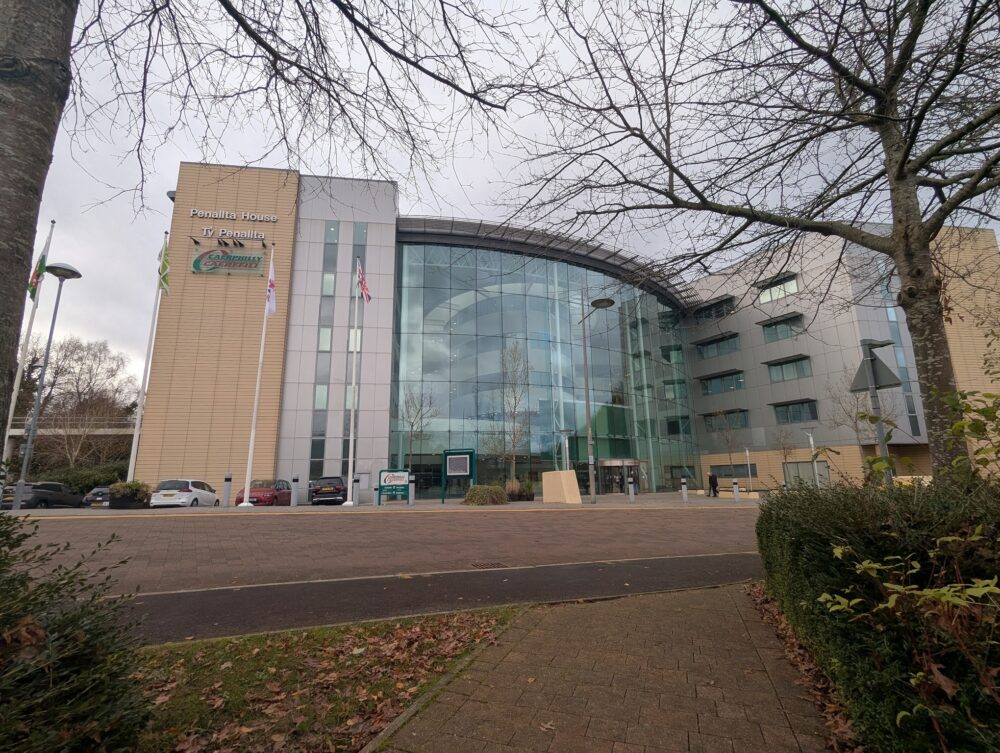
Council housing tenants living in a Welsh county will pay an extra 4.3% in rent for the next financial year.
In cash terms, the average weekly rent in Caerphilly will rise by £4.70 to £114.04, and is the maximum rise permitted under Welsh Government rules.
Cllr Shayne Cook, the Cabinet Member for Housing, acknowledged “any increase in rent is difficult at a time when many households are still feeling the pressure of the cost of living.”
He said the higher rates, which take effect in April, “balance affordability with the need to continue investing in our homes and services.”
Speaking at a cabinet meeting, on Wednesday December 10, Cllr Cook explained rental charges “need to rise to meet inflationary demands”, and “any loss of additional income from not increasing the rent is likely to result in reduced resources being available to effectively manage and maintain the housing stock.”
A cabinet report shows the loss of income caused by not increasing rents would be around £2.6 million and would grow annually.
Cllr Cook said Caerphilly Homes tenants pay “one of the lowest rents across all Welsh local housing authorities” and would remain among the cheapest 25% of rents nationwide, even with a 4.3% increase.
Housing benefit and Universal Credit will cover the increased costs of rent charge for “approximately 80% of our tenants,” he added.
Cllr Chris Morgan asked what the impact of the increase would be on the remaining 20% of Caerphilly Homes tenants, who pay their own rent.
“That increase has to be borne by them, but I think it’s important to point out that they’re not eligible for benefit,” replied housing director Nick Taylor-Williams. “The alternative to that is private rental, and you’ll see private rents have increased by 7.3% as of August, and we’re looking at a 4.3% increase.
“The average rental in the private sector – and some parts of the borough will be far higher – the average weekly rent is around £164.”
“It’s still a significantly affordable rent, even if you are self-paying,” he added.
Cllr Jamie Pritchard, who leads the local authority, noted the cross-party housing scrutiny committee had already given their unanimous backing to the proposed increase.
At that meeting, held a day earlier, Plaid Cymru councillor Judith Pritchard said: “We can’t do anything but agree with the suggestion we go to the maximum. Our rents are low anyway.”
She added: “Council tenants in Caerphilly County Borough do have a very good deal compared with private tenants and housing association tenants. Our council house rents are pretty low compared with anything else.”
Meanwhile, rental charges will also increase by 4.3% for the nearly 900 council-owned garages across the borough, typically working out as an extra 42p rise to £10.11 a week for council tenants, and to £12.13 for non-tenants.
Support our Nation today
For the price of a cup of coffee a month you can help us create an independent, not-for-profit, national news service for the people of Wales, by the people of Wales.



I’m assuming these rent figures are for an entire property, as opposed to the private sector equivalent where the same amount will pay for a room in a shared house. If it states that 80% of the tenants don’t pay any rent, it’s fair to assume that they also pay no council tax. So as with rent the burden falls on the shrinking minority who do actually pay council tax, on top of the multitude of other taxes paid by working people. Unless of course they decide to follow the increasing movement to work in those countries with little or… Read more »