


Council ordered to release documents to Velodrome campaigners
Martin Shipton
Cardiff council has been ordered by an Information Tribunal to release crucial documents relating to a proposed land swap that could involve the demolition of the city’s Velodrome.
In 1922, Maindy Park in Cardiff was gifted by the Marquis of Bute to the council subject to restrictive covenants to use the land only as a park, open space, recreation or playground. In 1966, Maindy Park was registered as a charity of which the council is the sole trustee. The Trust’s objects reflect the 1922 covenants.
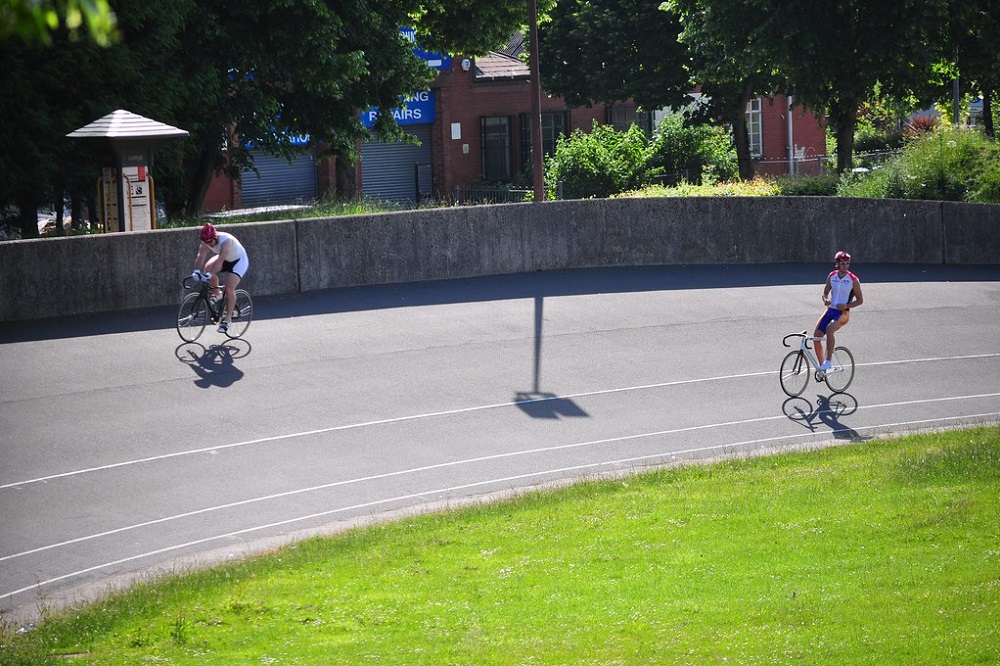
Maindy Park includes a velodrome, the last remaining structure of the 1958 Commonwealth Games hosted by Wales. Other major events have taken place there over the years, and world class cyclists have trained there. Several other recreational facilities have been constructed on the site, attracting many participantsall year round from the local community and beyond.
Adjacent to Maindy Park is Cathays High School. As local education authority, the council has been considering expansion of the school on Maindy Park. Such use of the land appears to be incompatible with the Trust’s objects.
The council has therefore been corresponding with the Charity Commission about a possible “land swap” under which part of Maindy Park would be released from the Trust with an alternative site within Council ownership instead being designated for recreational use by Cardiff residents.
The Council’s land swap proposal has proved controversial, stimulating the establishment of a local campaign group called Save Maindy Park. of which Christine Wyatt is a member.
The Maindy Park Trust holds land, property and assets for the charitable purpose of recreation and leisure time use in perpetuity
by the people of Cardiff. The land is also subject to a covenant restricting its use to the same purposes, and this covenant was accepted by the local authority when receiving the land on behalf of the people of Cardiff.
The council became a conflicted party when it issued a Section 42 Legal Notice (Schools) on 26 June 2021, followed by a Resolved Decision taken in Cabinet on 14 October 2021. This delegated authority to the council’s senior officers to deliver the building a new high school on the Trust’s land. The Trust’s charitable purpose does not include the provision of education and additionally its land is protected by a covenant restricting use for recreation and leisure by the people of Cardiff in perpetuity.
Several concerns have arisen over the stewardship of the Trust by the council as a body corporate acting as the Trust’s Sole Trustee, and these emerged as a result of the application for a land swap involving the council both as Sole Trustee and as the local authority which requires the approval by the Charity Commission for England & Wales.
The Maindy Velodrome is an integral facility for recreation on the Trust land and it was threatened by a council decision to bulldoze it in order to build a secondary school on the Trust land.
Campaign
The community set up a Save Maindy Velodrome campaign and, later, it launched the Association of the Beneficiaries of the Covenanted Land at Maindy Park & of the Maindy Park trust, which was recognised by the council as a channel for the community to express its voice.
Ms Wyatt submitted two information requests to the council, both of which were turned down, initially by the council and subsequently by the Information Commissioner.
A court tribunal has now ordered the council to release the information sought by Ms Wyatt and has been told that if it doesn’t do so it could be held in contempt of court.
The panel, chaired by Judge Marks, ruled that the council had repeatedly asserted but failed to evidence any disproportionate or unjustified burden, and had itself adopted an unduly burdensome methodology for handling Ms Wyatt’s requests.
Her motive was found to be a legitimate public interest aim of holding the council to account as sole trustee of charitable land.
The requests had a serious purpose. Neither harassment nor distress to staff was alleged or evidenced; and taking a holistic approach and bearing in mind the presumption in favour of disclosure under the Environmental Informatiom Regulations, the high threshold for [withholding the documents] was not met and that the Commissioner erred in law in finding the exception engaged.”
Public interest
Community campaigner Jeremy Sparkes said: “The Tribunal has clearly established that the level of public interest in having this information disclosed far exceeds any wish on the part of the council to keep hidden from the people of Cardiff its stewardship of the Maindy Park Trust. “All Trust decisions and disposals need to be solely, wholly and only in the best interests of the charity but the community believes it is clear that many things, such as the council’s use of the Trust land for a school car park, were done in the council’s interests and constituted major breaches of trust.
“It is over 2 years since we asked for these documents and so firstly we call on council leader, Cllr Huw Thomas, to respect the Tribunal’s ruling and commit to the immediate release of these documents, but also that he instruct officers to release the rest of the correspondence between the council and the Charity Commission that has taken place in the meantime to obviate the need for submitting further FoI/EIR requests. Secondly, that Cllr Thomas now correct the public record in respect of his claim that his administration operates within the law in relation to its stewardship of the Maindy Park Trust.”
Support our Nation today
For the price of a cup of coffee a month you can help us create an independent, not-for-profit, national news service for the people of Wales, by the people of Wales.
Get more trusted Welsh news
Choose Nation.Cymru as a preferred source in Google News to see more of our journalism.



This is indicative of the Huw Thomas era of mis-management of our city. Under his “leadership”, Cardiff council has ridden roughshod over legally-binding contracts and long-established commitments without a thought for the local community.
And now he’s trying to skive a role in the Seanad – which doesn’t bode well for the wider populace. If he’s successful and continues his assault unabated then expect Trumpian levels of unchecked madness at a national level.