


Council to lodge impact report on south Wales wind farm proposal with government planning inspectors
Elgan Hearn – Local democracy reporter
An impact report by a council which outlines the pros and cons of a potential wind farm development in south Wales will be lodged with Welsh Government planning inspectors this week.
At a meeting of Blaenau Gwent Council’s planning committee on Thursday, September 4 councillors were told that the Local Impact Report (LIR) on the new wind farm proposal on upland between Abertillery and Pontypool had been completed and would be sent to Planning and Environment Decision Wales (PEDW) on September 5.
The LIR is the council’s opportunity to feed into the process, by explaining what they think planning inspectors should take careful note of when deciding the application.
Turbines
Planning development team manager Steph Hopkins said: “This is a resubmission and one of the turbines in Torfaen has been removed.
“The LIR on this is due tomorrow and will be reported in the next planning committee, this will be endorsed by the chair before it’s sent.”
Planning committee chairwoman Lisa Winnett said: “Just to let members know I have endorsed the report and that will go off in time.”
In the past the council has missed out on fees of around £7,500 when they sent the LIR on a different windfarm proposal to PEDW after the deadline had passed.
The site at Mynydd Llanhilleth is mostly across the border in Torfaen County – but the western part of the site is close to the villages of Llanhilleth and Bryn Ithel in Blaenau Gwent.
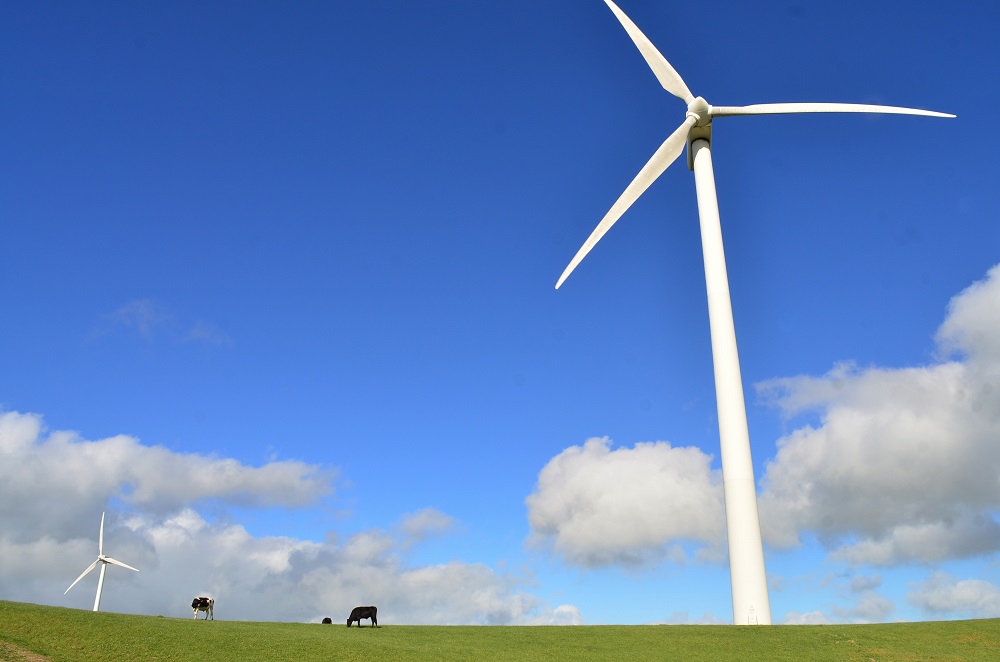
Pennant Walters want to build seven wind turbines that would be 180 metres in height, and also the associated infrastructure.
Inspection
The previous proposal was for eight turbines and was withdrawn by the developers in June 2024 on the advice of planning inspectors.
The fresh application was made to PEDW in May.
As the proposals is classed as a Development of National Significance (DNS) Welsh Government planning inspectors at PEDW will process the application.
This means that Blaenau Gwent and Torfaen will be consultees rather than decision makers.
Planning inspectors will eventually recommend to Welsh Government ministers whether to approve the scheme or not.
Pennant Walters said: “It is felt that the final application represents a high-quality scheme, that can provide significant contributions to this country’s carbon reduction targets, with minimal detrimental impact to the local area.”
Pennant Walters say that wind farm will generate 34 MW of electricity, which is enough to power 21.500 homes for a year.
Support our Nation today
For the price of a cup of coffee a month you can help us create an independent, not-for-profit, national news service for the people of Wales, by the people of Wales.



So Pennant Walters say that their wind turbines will generate 34 MW of electricity, which is enough to power 21.500 homes for a year. Does that take into account that Wind turbines are only about 25% effective and domestic properties only consume about one third of grid power – the rest feeds factories; offices; hospitals; schools; shops etc. that the houses need in society. So by my simple arithmetic the number of real houses should only be about under 2,000 homes. According to the UK Government the average home consumes 2,700kWhrs a year. Maybe this could be checked against the… Read more »
My comments above have been on this web site for three days without any challenge or answers. So I presume I am correct. That being so, I hope politicians and planners and Senedd members will realise they live in a fantasy world of false exaggerated outputs of Wind Turbines.