


Council with Wales’ highest debt per-head says housing stock responsible
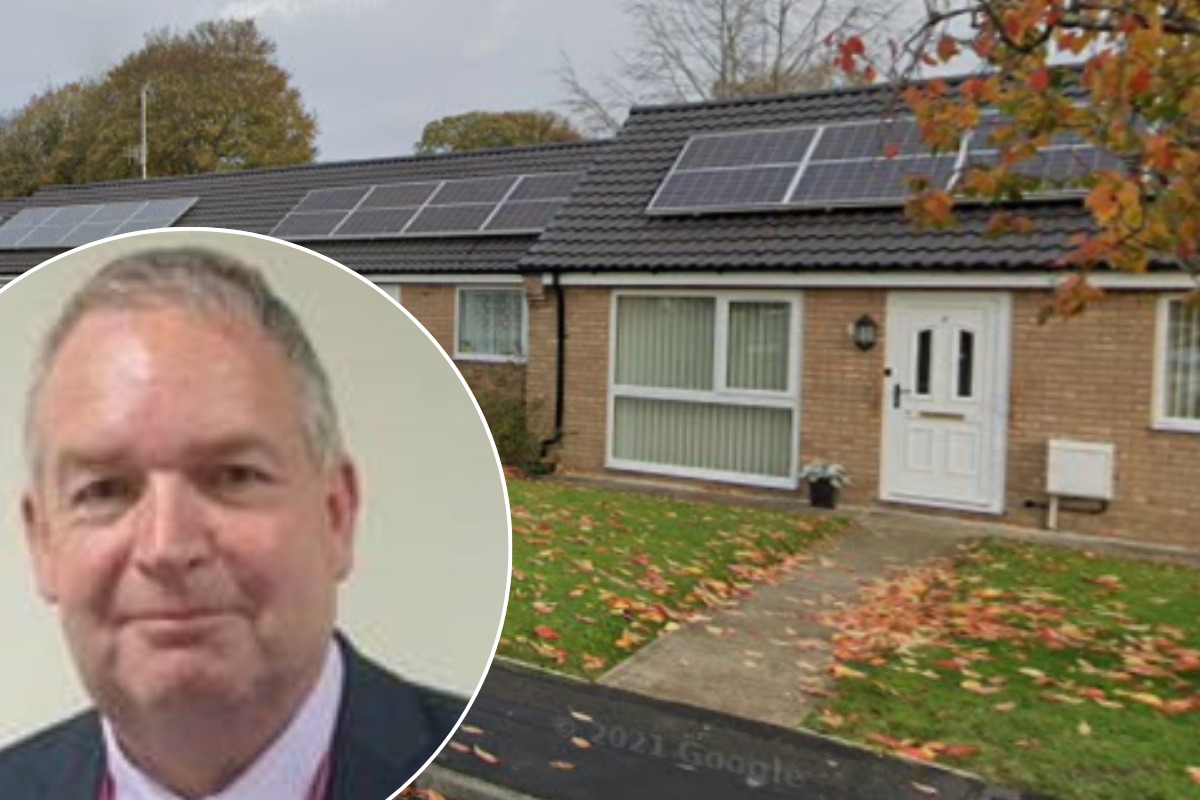
Alec Doyle, Local Democracy Reporter
A council has issued more detail on its significant debt levels after the BBC’s shared data unit revealed it held the highest level of debt per-head in Wales.
The recent revelation in August that for the second year in a row Wrexham had the highest debt level per-head of population in the country was put down to its borrowing against a significant holding of housing stock.
Last year Wrexham also had the third-highest increase in debt level per-head – £31,231,000 between 23/24 and 24/25. Debt-per-head increased by £229.39 per-person on the previous year.
Impact
Now the authority has given more details about the impact the Housing Revenue Account (HRA) has had on it’s debt levels.
It also claimed that that if borrowing against housing stock was removed the council would have one of the lowest debt levels in the country.
Wrexham has the second-largest social housing stock in Wales – a fact officers say is a significant contributing factor in the authority’s total debt figure of £520,879,000.
That number equates to £3,825.80 of debt per person in the county borough.
But a statement from Wrexham Council says that comparison should be adjusted for council’s that still offer social housing for residents.
“It is not accurate to compare all Welsh councils debt levels to population without adjusting for those with a retained housing stock,” it said. “This makes a significant difference to the level of debt when making comparisons.
“The overall level of debt for Wrexham Council will be higher due to us having retained a relatively large council housing stock.
“Neither Gwynedd nor Conwy for example have maintained their council house stock, therefore they have no borrowing relating to council housing.
“There used to be a national subsidy system whereby part of the rent collected was paid back to government. In July 2013 the Welsh Government and the UK Treasury reached an agreement that allowed the eleven authorities in Wales with council housing stock at the time to exit from the Housing Revenue Account Subsidy System and become self-financing from April 2015.
“This had to be done by compulsory borrowing from government so we were required to take out loans to the value of £146.2m.
“Of the total council debt at March 31, 2025, around 78% relates to the Housing Revenue Account (HRA). Total HRA debt at that time was £410.7m which includes the subsidy amount above, meeting the Welsh Housing Quality Standard and provision of new social housing.
“The HRA Business Plan model is approved annually by the Executive Board. The borrowing requirements needed to meet all of the HRA debt are assessed to ensure that the plan is sustainable in the long term and ensures any borrowing requirements to deliver the plan are prudent.
“If we had no housing stock our level of debt relative to the size of the population would likely to be amongst the lowest.
“All borrowing is taken out in line with the CIPFA Prudential Code and Code of Practice on Treasury Management, and is within the Council’s Borrowing Limit and Treasury Management Prudential Indicators which are approved annually by full council.”
Housing portfolio
Wrexham’s housing stock was valued at the end of the last financial year at £513 million.
Deputy Leader of Wrexham Council and Lead Member for Housing Cllr David Bithell said: “Wrexham Council has maintained its housing stock in-house – a decision that was taken by the tenants a few years ago.
“This equates to over 11,000 proprieties and is the second highest social housing stock in Wales.
“We have for the last 10 years continued to invest each year in our housing stock to bring it up to the WHQS. We continue to invest and are proud to build new council homes, including new homes recently completed in Johnstown.
“We are also on track to buy 28 properties (over the past two years) to add to our housing portfolio to meet demand.”
A Welsh Local Government Association (WLGA) spokesperson said: “Councils spent around £2.3bn in 2024-25 on long-term capital investment like schools, housing and roads.
“Some of this requires additional borrowing and it is no surprise that levels are going up.
“All capital projects are carefully budgeted for and guidance is strictly following to ensure that all new borrowing is affordable.”
Support our Nation today
For the price of a cup of coffee a month you can help us create an independent, not-for-profit, national news service for the people of Wales, by the people of Wales.



So many of the council tax payers in Wrexham county who own their own properties outright or who are buying and paying mortgages, don’t only have to pay their fair share through their council tax, they have to subsidise the rents of those people living in Council owned properties and also pay to upgrade council owned properties whilst at the same time, not being able to afford to upgrade their own properties.
You do realise that people who live in council housing pay rent too, don’t you? Not everyone is on benefits just because they happen to be working class, (despite what half the people on here seem quick to assume). Being in a council house (instead of private or housing association) means that the rent is truly affordable based on wages in the area and cost of living – rather than being called affordable housing but actually either bleeding dry the poorest paid workers in society, or extracting housing benefit from the government to be paid way over the odds to… Read more »
Personally, I’m proud of Wrexham for hanging on to their council housing stock. Swansea went a different way. They genuinely did have to pull down a lot of old houses that were unfit, during that period when councils were not allowed to build so the job had to be done by “Housing Associations”. However, there were other places where existing council housing was taken from the hands of Swansea City Council and put into the control of Housing Associations. Of course the new build HA houses might have been shiny and new but they were slightly larger than bread-boxes, the… Read more »
The housing associations have made a tidy sum. Forget not for profit, that’s a load of rubbish