


Councillors told revamped city-centre theatre will take time to reach full potential
Richard Youle, Local Democracy Reporter
Occupancy rates at a landmark building which cost well over twice the original estimate to restore are increasing, but it will take time, councillors heard.
The council project to transform the Palace Theatre in High Street, totalled £17.1 million having been expected to cost around £7 million at the outset – figures previously reported by the Local Democracy Reporting Service although not confirmed by the council at the time.
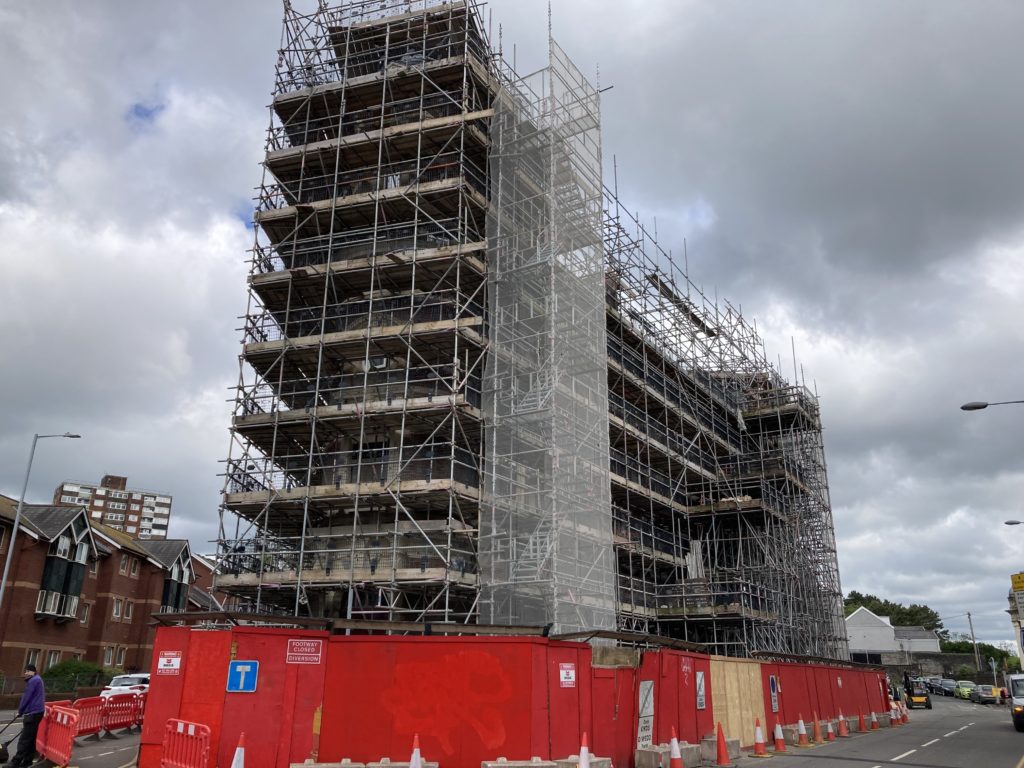
The grade two-listed building is now flexible work space operated by a company called Tramshed Tech and has a cafe open to the public five days a week. Councillors were told at a meeting that the Palace Theatre had been empty since 2007 and was deteriorating before the council stepped in to acquire it 12 years later from its private owners having secured a £4.9 million European grant.
Cabinet approved the redevelopment project and a design team was then appointed just as the Covid pandemic struck in March 2020. The council hoped to get the work done on a fixed price basis but wasn’t able to, resulting in a different type of contract with the construction company appointed in 2021, known as a “cost-plus” contract.
Work started early in 2022 and the building opened its doors in November, 2024. A council officer told the service improvement, regeneration and finance scrutiny panel that anti-social behaviour in the immediate area had reduced as footfall resulting from the scheme increased.
Fire threat
Council leader Rob Stewart said on the night the authority acquired the Palace Theatre youths gained access and attempted to set it on fire. He said, “thankfully”, years of water ingress helped prevent it from burning down. Mid and West Wales Fire Service extinguished what it later said were four small fires in the building.
Reflecting on that time Cllr Stewart said: “I think we were at the point that the building was going to be lost. I think saving and restoring it was absolutely the right thing to do.”
The meeting heard the pandemic, combined with spiralling inflationary pressures, procurement challenges and the technical difficulties of restoring a derelict listed building drove up costs.
The final figure of £17.1 million – confirmed in a report before the panel – was split between the council, which contributed £8.8 million, and £7 million and £1.3 million grants from the Welsh Government and UK Government respectively.
Cllr Jeff Jones asked what the original costing was for the scheme, and the council officer replied “about £7 million based on the information we had at the time”. He said a lot changed in the following years. “Further enabling works were undertaken to fully understand the structure and challenges,” he said.
Cllr Stewart said there was only so much that could be done to “de-risk” developments, especially in the case of a unique building like the Palace Theatre. Referring to the pandemic and rising construction costs of up to 25% per year at the time, he said: “You could have been on any development anywhere in the country and you would have seem similar impacts.”
The Palace Theatre dates from 1888 and now has around 1,800sqm of office space geared towards tech and creative sectors. It has work spaces, 10 meeting rooms and is home to a Royal Academy of Engineering enterprise hub.
Rich Harris, from the building’s operator Tramshed Tech, told the panel the aim was to develop a business ecosystem, for example by helping to commercialise university spin-outs. Over time, it’s estimated the Palace Theatre will accommodate 71 jobs.
Cllr Peter Black asked what the occupancy rate was for the first 12 months and whether the figure was in line with expectations.
Mr Harris said “building an ecosystem is never straightforward” but that the occupancy rate was increasing and discussions about longer-team leases taking place.
He added that Tramshed Tech ran courses about artificial intelligence for small and medium-sized businesses and organised other activities such as bringing in young people including primary school pupils to give them a feel for the tech sector.
Fixed rent
The council officer said the authority was to receive fixed rent from Tramshed Tech following a grace period while snagging issues were resolved.
Cllr Lynda James asked if Tramshed Tech’s operation in Swansea was running at a profit, to which Mr Harris replied it wasn’t currently but that it was an investment in future activity.
Cllr Chris Holley asked why it had taken so long to arrive at a final cost and questioned if the scheme represented good value for Swansea taxpayers. He also wanted to know more about how economic impact figures provided by consultants, such as a £7.28 million “place-making” boost, had been calculated.
The council officer said a post-construction snagging period had taken more than 12 months but had now concluded. Councillors were advised again that increasing usage of the building took time. Cllr Stewart added that the consultants providing the economic impact figures would have used standard methodology.
Cllr Susan Jones, who said the redevelopment had been great for the city’s heritage, asked how the community was encouraged to use it. Mr Harris said the building hosted tours for local history groups, coffee mornings and meet-ups.
Councillors were told that constructing the Palace Theatre from scratch would be more expensive than the £17.1 million restoration. Last October the project earned construction company R&M Williams – the principal contractor – an award by industry group Federation of Master Builders.
Cllr Stewart insisted that people in Swansea had wanted the building saved. “The return on our investment for this building will be very positive,” he said.
Support our Nation today
For the price of a cup of coffee a month you can help us create an independent, not-for-profit, national news service for the people of Wales, by the people of Wales.
Get more trusted Welsh news
Choose Nation.Cymru as a preferred source in Google News to see more of our journalism.



