

Councils lack data on impact of 182-day holiday let rule – campaigners
Local authorities across Wales do not operate a consistent system for measuring the economic effects of the Welsh Government’s 182-day holiday let rule, campaigners have claimed.
Freedom of Information responses obtained by the Let’s Review 182 campaign suggest councils are unable to provide clear national data on how the policy is affecting small businesses.
The campaign, led by Gwynedd-based Dioni Holiday Cottages, says responses from councils highlight significant variations in how information relating to self-catering properties is recorded.
While some authorities were able to provide enforcement figures linked to non-domestic business rates, others said activity is logged in aggregate form, without separately identifying holiday lets.
Campaigners say that once properties fall below the threshold and move from business rates into Council Tax, they are often absorbed into general domestic statistics and cease to be visible as former holiday accommodation.
They argue this creates a fragmented picture of the policy’s real-world economic consequences.
The 182-day threshold, introduced in April 2023, requires self-catering properties to be available for 252 days and actually let for at least 182 days within a 12-month period to qualify for business rates.
Properties that do not meet the criteria are reclassified as second homes for Council Tax purposes, making them liable for premiums of up to 300%.
The Welsh Government has said the measure is designed to ensure fairness in the tax system, discourage the growth of second homes and protect housing supply.
Economic monitoring
Gwion Llwyd, who runs Dioni Holiday Cottages and leads the Let’s Review 182 campaign, said: “While the policy was introduced with clear housing objectives, it also has economic implications that require consistent monitoring.
“This affects thousands of small businesses across Wales, particularly in areas where tourism plays a significant role in the local economy.
“At present there is no consistent system across Wales for measuring how the policy is affecting small operators or the wider Welsh economy.”
Industry body the Professional Association of Self Caterers (PASC) estimates that short-term holiday lets contribute around £0.7 billion in gross value added annually to the Welsh economy.
PASC also estimates that around a third of holiday lets are subject to planning conditions restricting them to short-term use only.
Campaigners say this can create difficulties where such properties, despite being ineligible for permanent residential use, are still reclassified into Council Tax if they fall below the threshold.
Studio apartments
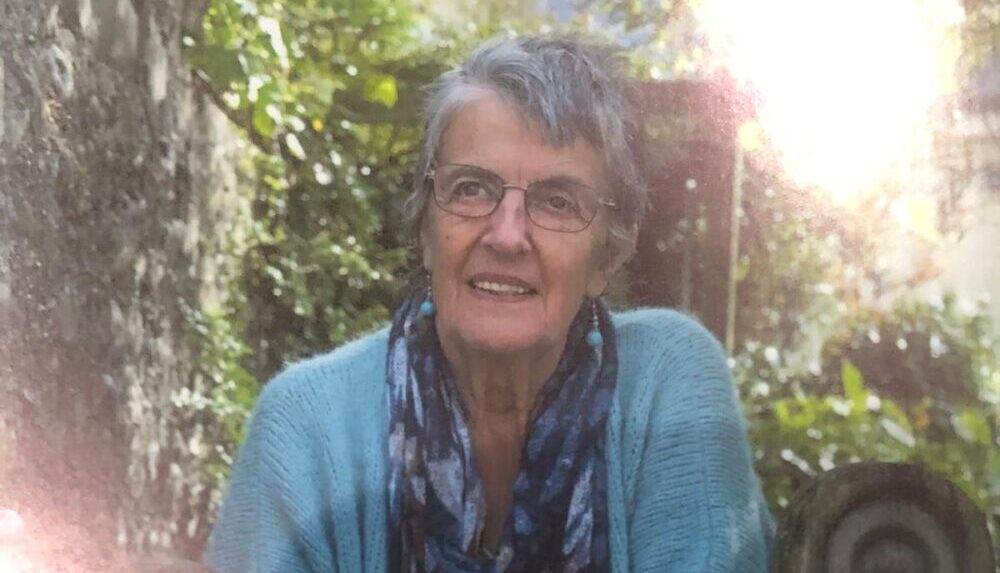
Sally Howdle, 76, from Criccieth, converted former B&B rooms in her home into two small self-catering studio apartments.
In 2024, the units were let for 142 and 144 nights, welcoming more than 100 guests.
Because both fell short of the 182-night threshold, they were moved into Council Tax and became liable for second-home premiums.
Ms Howdle said: “I’ve spent my whole life avoiding debt. Now I’m facing more than £21,000 in charges at the age of 76. That’s devastating.”
She has since closed the business.
Howard Roberts, who has operated self-catering accommodation businesses in North Wales for nearly 40 years, said: “We are seeing operators drop prices to unsustainable levels just to try and hit the 182-day target.
“Established Welsh businesses that employ local staff cannot operate at a loss simply to chase a threshold.”
Affordable home
In response to the questions raised by the campaigners, the Welsh Government said: “Everyone deserves access to an affordable home in their community. We’re using planning, property and taxation systems as part of a joined-up approach to tackle these complex issues.
“Most self-catering properties already meet the letting criteria. Our local tax changes ensure property owners contribute fairly while maximising property use for local communities.”
Support our Nation today
For the price of a cup of coffee a month you can help us create an independent, not-for-profit, national news service for the people of Wales, by the people of Wales.


