

Decade-long increase in fly-tipping blamed on ‘selfish minority’ of residents
Alec Doyle, Local Democracy Reporter
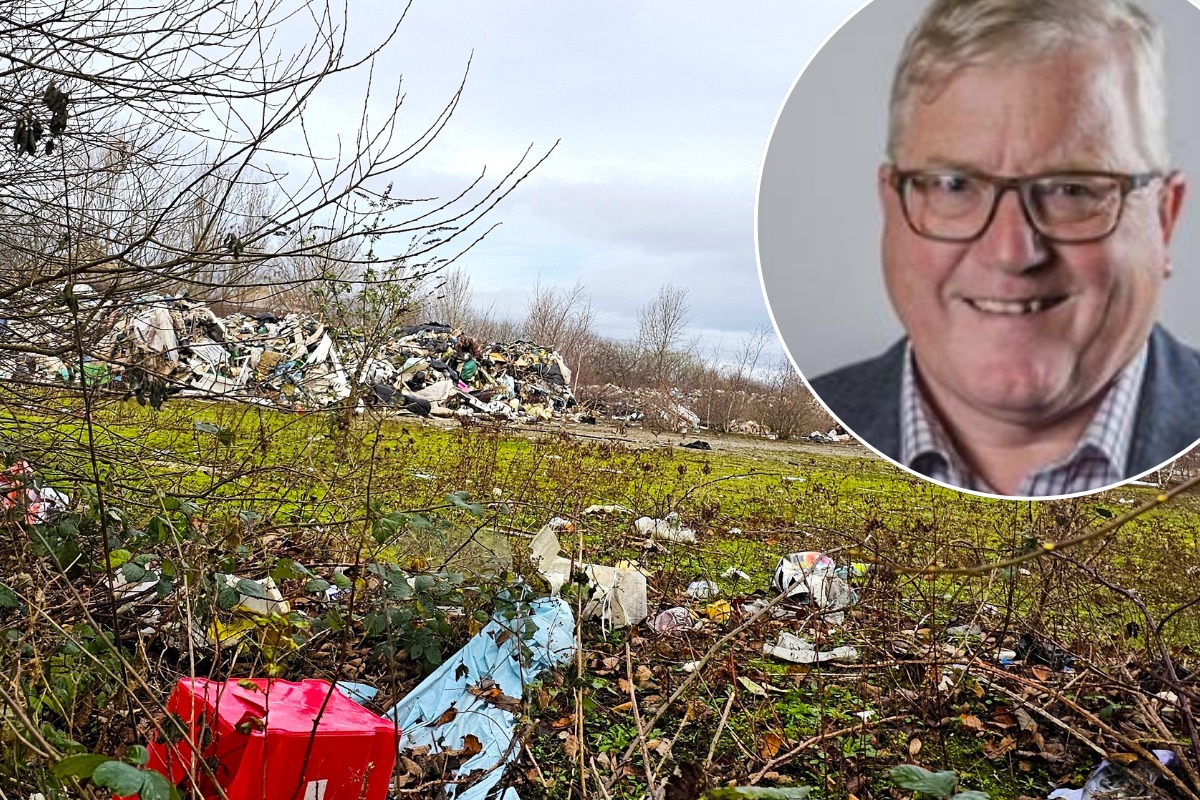
Fly-tipping in two north Wales counties is on the rise, but both councils deny their waste policies are unsuitable, instead blaming a ‘selfish minority’ of residents.
Data from Stats Wales published as part of Keep Britain Tidy’s Fly-Tipping Fortnight show that in Flintshire there were 899 recorded incidents of illegal waste dumping in 2013/14. By 2023/24 that had risen to 1,477.
It is a similar story in Wrexham, where in 2013/14 there were 476 fly-tipping incidents, rising to 1,055 in 2023/24.
Across the UK fly-tipping is a serious issue, with 98% of councils saying it’s a problem in their area and 70% describing it as a ‘major problem’.
More than half (54%) feel they’ll never get on top of it, while two in five incidents are now linked to rogue ‘white van’ operators profiting from illegal dumping.
Regional data from Wrexham and Flintshire underlines the challenges facing local authorities in taking enforcement action over fly-tipping.
Over 10 years in Wrexham there have been 37 prosecutions, 24 fines issued and 170 fixed penalty notices for fly-tipping. In Flintshire over the same period there have been five prosecutions, six fines issued and 106 fixed penalty notices.
A spokesperson for Flintshire County Council said: “Fly-tipping is never acceptable and it is a serious criminal offence as it can cause serious pollution to the environment, be a risk to human health and can harm wildlife and farm animals,” they said.
“It also needlessly diverts our teams away from essential public services and incurs unnecessary costs. When there is enough evidence to prosecute the offender, a Fixed Penalty Notice can be issued.
“Residents may not be aware that, if they pass their waste on to someone who goes on to dump it unlawfully, they run the risk of being prosecuted for duty of care offences themselves, or if they leave items out for scrap collectors who go on to dump them unlawfully.
“In the 12 months from April 2024 to March 2025 we issued three FPNs for Household Duty of Care (where the householder has paid for waste to be removed which was then illegally disposed of), 14 FPNs for fly-tipping offences and five FPNs littering offences.”
Councillor Terry Evans, Wrexham Council’s Lead Member for Environment, said: “Fly-tipping is illegal and clearing it up costs UK taxpayers a lot of money. It looks awful, can pollute land and waterways, and it can attract vermin – creating significant problems for local communities.
“We also know that enforcement is key, and we’ll continue to pursue people who are illegally dumping rubbish in the county borough – issuing fines and taking them to court where necessary.
“Fly-tipping is a challenge for every council, and it’s not an easy problem to tackle. But it’s important to remember that most people do take pride in their community and dispose of their rubbish responsibly – it’s only a selfish minority that cause this problem.”
But with the number of fly-tipping incidents trending up over time, there are questions over the effectiveness of Wrexham and Flintshire’s response.
Circular economy
Flintshire County Council in particular refuted the suggestion that the increase indicated a failure of existing waste policies.
“This rise does not indicate that our policies are unsuitable,” said a spokesperson. “We reflect the Welsh Government’s policies, priorities, and legislative requirements.
“Within the approved Resource and Waste Strategy 2024-2030, we have made several commitments to lead Flintshire towards a circular economy, maximising resource efficiency and minimising waste. Our goal is to work collaboratively with communities to take collective environmental responsibility.
“Household Recycling Centre (HRC) policies allow Flintshire residents to dispose of an extensive list of materials responsibly in a way that can be managed correctly and effectively.
“Policies such as “visible waste” ensure that we are disposing of the correct materials in the correct containers, recovering items for recycling and preventing valuable materials being sent for incineration.
“All individuals, householders and commercial businesses, have a legal duty of care to dispose of their waste responsibly, and this is set out in the legislation.”
Collaborative approach
Cllr Evans said Wrexham was also adopting a collaborative approach to waste management.
“Educating people about how to dispose of waste properly is important, and we try to do that regularly,” he said. “This includes asking people to make sure they only use licensed waste operators if they use a ‘man with a van’ to take away excess rubbish.”
Private household waste disposal, often referred to as ‘man with a van’ where individuals hire someone to take away excess rubbish or large items, remains an issue.
Licensing for these activities is managed by Natural Resources Wales – not local authorities. Individuals can search the Permits and Permissions database at NaturalResources.Wales to find licensed waste companies in their area.
Rogue traders
For those rogue traders and residents who do dump rubbish illegally, in Flintshire the most common place for it is on council-owned land – where there were 351 incidents of illegal waste dumping in 2023/24.
“People should be vigilant when using private waste carriers or “man and a van” services,” said Flintshire County Council’s spokesperson. “They should check that anyone they pay to remove waste is a registered waste carrier who must take the waste to a legitimate disposal company.”
In Wrexham fly-tippers most often dump waste on footpaths and bridleways, where there were 628 incidents during the same period.
“Licensed operators will have a carriers licence and you can check if they have one by searching on the Natural Resources Wales website,” said Cllr Evans.
“You should also make sure they give you the appropriate paperwork, guaranteeing they’ll dispose of your rubbish properly. If they don’t, you could still be held responsible.”
Isolation
Flintshire said it was committed to tackling incidents when they arise.
“Regardless of location, council enforcement officers will respond to all reports of fly-tipping,” said a spokesperson. “Like many other local authorities, we see most fly-tipping in lay-bys and country lanes due to the isolation that they provide, and officers will proactively patrol and monitor these areas, when they are reported to us.
“Residential waste collection points and alleyways can also be a target for fly-tipping due to the high volumes of waste presented for collection from multiple households. Again, officers proactively monitor these areas and we also use educational, CCTV and enforcement signage to try and mitigate the problem.”
Flintshire County Council also said it had a comprehensive programme of community outreach and engagement to try to tackle the issue.
“We urge residents to dispose of their waste items correctly by making use of their doorstep recycling and waste collection service or via one of out five household recycling centres,” said the spokesperson.
“Residents who need to get rid of large items are encouraged to take them to a household recycling centre or use the bulky waste collection service provided by the Council. Where a resident has a large amount of recycling and waste to dispose of then we recommend using an approved skip hire company or licensed waste disposal contractor. Further information can be found on the Council website.
“One of our most effective approaches to fly-tipping issues has been running targeted, community-based campaigns in partnership with local councillors, Keep Wales Tidy and community groups.
“These localised initiatives are carefully tailored to address the root causes of fly-tipping in each area and have repeatedly proven successful in stopping fly-tipping altogether. A community-led approach provides residents with a sense of pride and responsibility for the area they live in and brings groups together to proactively tackle the issues through clean up events, accountability, signage and education.
“By engaging residents directly, providing clear guidance on legal waste management options, and celebrating community success stories, the aim is to shift behaviours from passive acceptance to active stewardship of local environments.
“We regularly attend local events and roadshows across the county and work closely with Fly-tipping Action Wales, Keep Wales Tidy, Flintshire’s Housing Department and local Housing Associations to promote responsible waste disposal and waste minimisation.
“We also take every opportunity to remind residents and businesses of their legal duty of care when it comes to waste disposal.”
Support our Nation today
For the price of a cup of coffee a month you can help us create an independent, not-for-profit, national news service for the people of Wales, by the people of Wales.


