


Delay inheritance tax reforms hitting Welsh farms, MPs urge
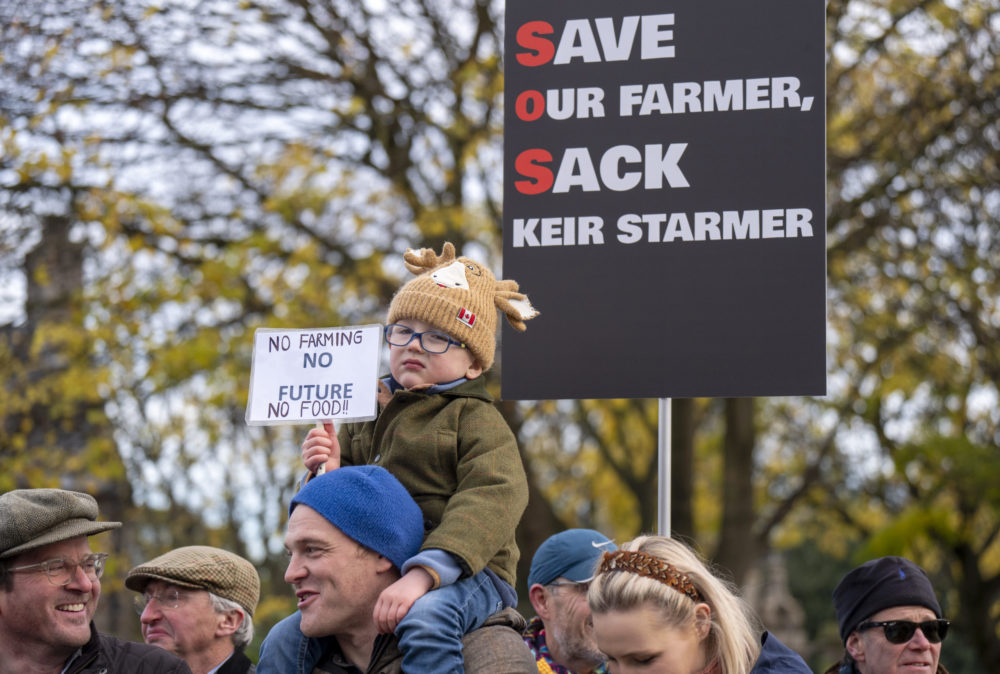
The UK Government’s “complacent” approach to planned inheritance tax reforms affecting Welsh farms has created “unnecessary uncertainty and confusion” within the agricultural sector, MPs have warned in a new report.
The cross-party Welsh Affairs Committee has called for the Government to delay the introduction of changes to Agricultural Property Relief (APR) and Business Property Relief (BPR) — due to take effect in April 2026 — until a full, Wales-specific impact assessment has been carried out and scrutinised by MPs.
The Committee’s report, published ahead of the Budget later this month, warns that the UK Treasury has failed to provide data on how many Welsh farms could be affected, leaving a vacuum filled by “competing and conflicting statistics” from different organisations.
Committee Chair Ruth Jones MP said the lack of clarity had added to the strain already facing the sector:
“The manner in which a significant tax policy affecting farms in Wales was announced, without clear information on the likely impact, was the last thing hard-working farming families needed. The Government must hit the brakes on these reforms until the true consequences for Wales are properly understood.”
The Committee said Welsh farming stands at a “critical juncture”, facing falling incomes, shrinking livestock numbers and growing international competition. It warned that failing to account for the “unique cultural, environmental and economic importance” of Welsh farming risks damaging rural communities, the Welsh language and the future of the industry itself.
The report supports the principle of reforming APR and BPR to prevent wealthy investors exploiting tax loopholes, but says the changes could disproportionately impact elderly or terminally ill farmers who have structured their estates based on current rules.
MPs criticised the Government’s “complacent” handling of the issue, saying the absence of clear data had led to unnecessary confusion in a sector central to the fabric of rural Wales.
Funding
The report also highlights broader challenges for Welsh agriculture, including concerns over funding, trade agreements, and the need to support younger entrants into the industry.
It recommends that the UK and Welsh Governments work together to safeguard future agricultural funding, maintain ringfencing, and ensure that the move to the Barnett formula does not lead to a real-terms cut in Welsh farm support.
The Committee also warns that post-Brexit trade deals with Australia and New Zealand could harm Welsh beef and lamb producers, and calls for an action plan to track and offset any negative effects.
Ms Jones added: “Despite its resilience, Welsh farming is under enormous pressure. Our recommendations provide a roadmap for meeting these challenges head on. The Government must recognise the importance and distinctiveness of our farming industry in every decision it takes to secure a prosperous rural future for Wales.”
Support our Nation today
For the price of a cup of coffee a month you can help us create an independent, not-for-profit, national news service for the people of Wales, by the people of Wales.


