


Deprivation and late-stage diagnosis continue to play a major role in mouth cancer data
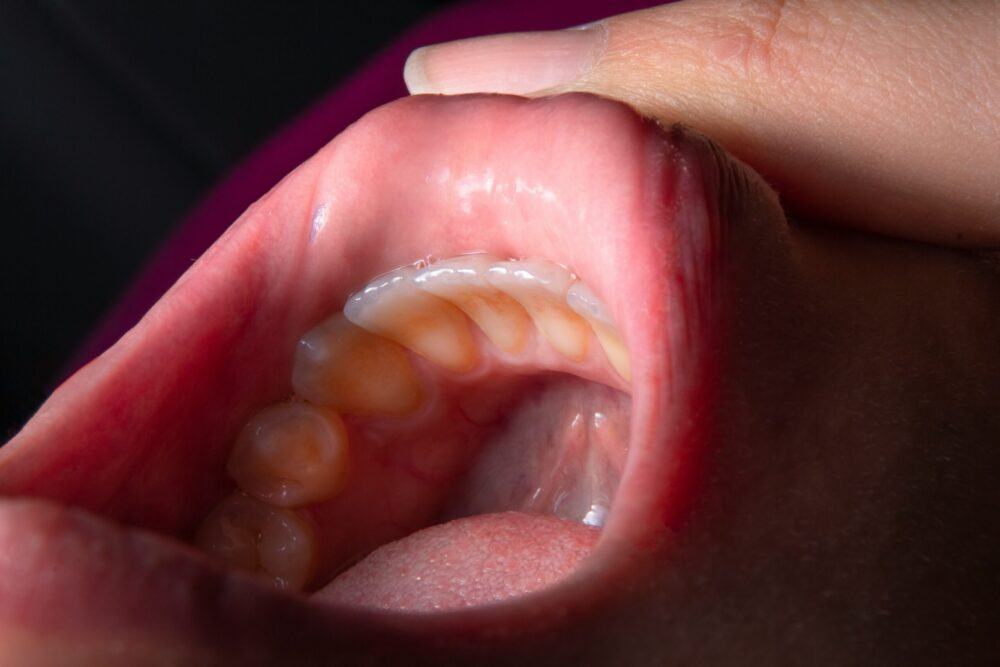
A new analysis from Public Health Wales has shown that deprivation continues to play a major role in both the incidence and survival rates of mouth cancer across Wales.
The analysis of Mouth Cancer Incidence in Wales 2025 reveals that people living in the most deprived areas of Wales are more likely to be diagnosed with mouth cancer, and less likely to survive five years after diagnosis, when compared to those living in more affluent areas.
Preventing mouth cancer means tackling the factors that put some communities more at risk. Easier access to dental advice, less exposure to tobacco, and more smoke-free spaces will help close the gap in who develops and survives the disease.
Late-stage diagnosis remains one of the most pressing challenges, with most cases in Wales identified at stage three or four, meaning treatment is more complex and outcomes are often poorer.
Professor Paul Brocklehurst, Consultant in Dental Public Health at Public Health Wales, said: “Mouth cancer is one of the few cancers where we can often see or feel the early signs ourselves, yet too many people wait too long before seeking professional advice.
“We are urging anyone who notices anything unusual in their mouth, such as an ulcer that will not heal, a red or white patch, or a lump, to see their dentist or GP as soon as possible.”
Smoking and drinking remain two of the biggest preventable risk factors for mouth cancer, along with human papillomavirus (HPV) infection in some cases.
The report also shows that men continue to be disproportionately affected by cancers of the mouth, with a ratio of two men to every woman diagnosed.
The tongue and oropharynx continue to be the most common sites for mouth cancer, and five-year survival rates remain below fifty percent for people diagnosed at advanced stages.
The report stresses the importance of prevention, early detection, and lifestyle choices in reducing risk. The Oral Health Foundation recommends a number of steps to reduce the risk of mouth cancer, including:
- Stopping smoking and avoiding the use of all tobacco products
- Keeping alcohol consumption within recommended limits
- Maintaining a healthy diet rich in fruit and vegetables
- Visiting your dentist regularly for check-ups
- Using sun protection on your lips when outdoors
Professor Brocklehurst added: “We are seeing improvements in some groups, but far too many people are still being diagnosed when the cancer is already well advanced.
“Early detection saves lives and simple changes such as stopping smoking, reducing alcohol intake, and having regular dental check-ups can significantly lower your risk.”
Public Health Wales is encouraging everyone to be mouth aware this Mouth Cancer Action Month and to check their mouth regularly for any changes.
Support our Nation today
For the price of a cup of coffee a month you can help us create an independent, not-for-profit, national news service for the people of Wales, by the people of Wales.


